So, you’ve got some coins and you’re wondering about getting them graded and put into those hard plastic cases, right? It’s a big topic for collectors, especially if you’re looking at the costs involved. We’re going to break down the coin slabbing process explained, looking at why it matters, what goes into the price, and how to figure out if it’s worth it for your collection. Think of this as your go-to guide to understanding the whole thing without all the confusing jargon.
Key Takeaways
- Getting coins professionally graded and put into protective holders, often called ‘slabbing,’ is a common practice for collectors.
- The cost of slabbing a coin isn’t just one flat fee; it depends on things like the coin’s value, its condition, and the service you choose.
- Major grading companies have their own fee structures, and sometimes they offer discounts for sending in a lot of coins at once.
- Beyond the basic grading, there are extra services and shipping costs that add to the total price of slabbing.
- Deciding whether to slab coins involves looking at how it might protect your investment and potentially increase its value or liquidity in the market.
Understanding The Coin Slabbing Process Explained
What Is A Slabbed Coin?
So, you’ve probably seen coins in those hard plastic cases, right? That’s what we call a ‘slabbed’ coin. Basically, it’s a coin that a professional grading company has looked at, decided what condition it’s in, and then sealed it up in a protective, clear holder. This holder, the ‘slab,’ has a label inside that tells you the coin’s grade, its unique certification number, and which company graded it. This whole process is designed to give collectors a reliable way to know exactly what they’re buying or selling. It became really popular back in the 1980s when grading services started offering this kind of third-party opinion, aiming to cut down on arguments about a coin’s condition or if it was even real.
The Evolution Of Coin Grading
Before coins were getting slabbed, collectors mostly had to trust the seller’s word about how good a coin was. This led to a lot of confusion and disagreements. Grading was pretty informal, and everyone had their own idea of what ‘mint condition’ meant. Then, companies like PCGS and NGC came along and started offering a more standardized way to look at coins. They developed systems, like the famous 70-point Sheldon Scale, to describe a coin’s condition from ‘Poor’ (a 1) all the way up to ‘Flawless’ (a 70). This made it much easier for people to compare coins, even if they were buying them from different places or online without seeing them first. It was a big step towards making the coin market more transparent.
Why Coins Are Sent For Slabbing
People send coins for slabbing for a few main reasons. First off, it’s about protection. That plastic holder keeps the coin safe from fingerprints, scratches, and other damage that can happen over time. It’s like putting your valuable coin in a little protective bubble. Second, it’s about trust. When a reputable company grades a coin, it comes with a guarantee of authenticity and a clear grade. This makes the coin much more appealing to buyers because they know what they’re getting. It also helps with selling; slabbed coins often sell faster and for a better price, especially for more valuable pieces. It’s a way to make your coin more marketable and preserve its condition for the long haul.
The Journey Of A Coin: From Submission To Slab
Initial Submission And Authentication
So, you’ve decided to get a coin professionally graded. The first step is sending it off to one of the major grading services, like PCGS or NGC. You can’t just walk into their offices with a coin; you usually have to submit it through an authorized dealer or directly via mail. Once the grading service receives your coin, it enters their system. It gets logged, and a unique tracking number is assigned. This is where the real work begins. The coin is first checked to make sure it’s the real deal. Graders look for any signs of counterfeiting, alterations, or damage that might disqualify it from being graded. This authentication process is super important because it weeds out fakes before they even get to the grading stage. This initial screening is a critical gatekeeper for the entire process.
The Grading Examination
After a coin passes the authentication phase, it moves on to the grading examination. This is where the coin’s condition is meticulously assessed. Graders use the 70-point Sheldon scale, looking at everything from the coin’s luster and strike to the presence of any marks, scratches, or wear. They examine the surfaces, the overall eye appeal, and whether the coin looks original or has been tampered with. It’s not just one person looking at it, either. To make sure the grade is as accurate as possible, the coin is typically passed between multiple experienced graders. They discuss their findings and work towards a consensus on the final grade. This multi-grader approach helps minimize individual bias and ensures a more objective evaluation.
Finalizing The Grade And Documentation
Once the graders have reached an agreement on the coin’s grade, the final details are documented. This includes the coin’s specific date, mint mark, and any unique attribution information. All of this data, along with the assigned grade and a unique certification number, is then printed onto a label. This label is what will be placed inside the coin’s protective holder, or ‘slab.’ The coin itself is then carefully placed into a clear, hard plastic capsule. This capsule is sonically sealed, meaning the edges are fused together, making it tamper-evident. If anyone tries to open it, the seal will be visibly broken. This sealed slab is the final product, providing a secure, verifiable record of the coin’s authenticity and grade.
The Art Of Grading: Assessing A Coin’s Condition
The Sheldon Scale Explained
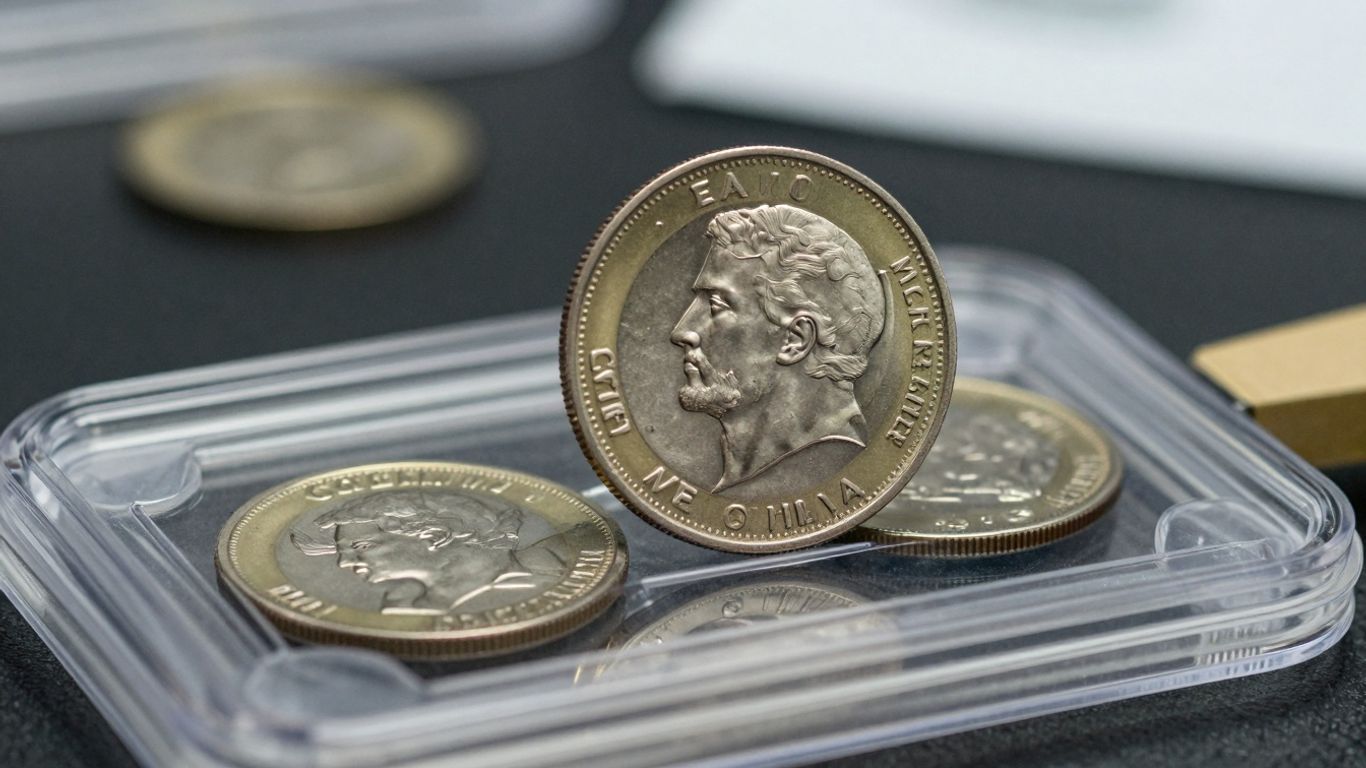
So, you’ve got a coin and you’re wondering how good it actually is. That’s where grading comes in, and the whole system is built around something called the Sheldon Scale. It’s basically a number from 1 to 70 that tells you how worn or perfect a coin is. A ‘1’ means it’s pretty beat up, maybe barely recognizable. A ’70’ is the dream – a flawless coin, perfect in every way. This scale is the universal language for coin collectors and dealers. It helps everyone understand what they’re looking at and what it might be worth. You’ll see grades like MS-65, which means Mint State (so, uncirculated) and a high quality, or something like VF-20, which is Very Fine and shows some wear. It’s a pretty detailed system, and getting a handle on it is key to collecting.
Key Factors In Coin Grading
When graders look at a coin, they’re not just giving it a random number. They’re checking a few specific things to figure out that grade. It’s a bit like a doctor checking your vitals, but for coins.
Here’s what they focus on:
- Surface Condition: This is all about the nicks, scratches, and any other marks on the coin. Even tiny ones matter, especially on higher-grade coins. They’ll look for things like bag marks, which are little scratches from when coins were bagged at the mint.
- Luster: This is the coin’s original shine, or what collectors call ‘mint bloom’. A coin that still has its full, bright luster looks a lot better than one that’s dull from being handled or stored poorly.
- Strike Quality: How well was the coin made? A strong strike means all the details of the design are sharp and clear. A weak strike can make a coin look less impressive, even if it’s otherwise in good shape.
- Color and Tone: For older coins, natural toning (that’s the discoloration that happens over time) can be a big deal. Graders look at whether the toning is attractive or distracting.
It’s not just about counting flaws; it’s about how those flaws affect the coin’s overall look and appeal. A coin might have a few minor marks but still look great if the strike is strong and the luster is bright. Conversely, a coin with no visible scratches might get a lower grade if its luster is gone or the strike is weak.
Ensuring Accuracy Through Multiple Graders
Because grading can be a bit subjective, the best grading services don’t just have one person look at your coin. They use a team. This is a really important step to make sure the grade you get is fair and consistent. Think of it like a second opinion, but for coins. Several experienced graders will examine the coin independently. They compare their assessments, discuss any differences, and work towards a consensus grade. This process helps catch mistakes and reduces the chance that one person’s personal bias affects the outcome. It’s this attention to detail and the use of multiple eyes that builds trust in the final grade assigned to a coin, making it more reliable for collectors and investors alike. You can often check the reputation of grading companies on collector forums like a505. This collaborative approach is what separates top-tier grading from just a quick look-over.
Encapsulation: Protecting Your Graded Coin
The Role Of The Protective Holder
So, your coin has been examined, graded, and documented. What happens next? It gets sealed up in a special plastic case, often called a ‘slab.’ This isn’t just any old plastic box; it’s designed to keep your coin safe from all sorts of harm. Think of it as a tiny, transparent suit of armor. This encapsulation is the final step that preserves the coin’s condition and makes its grade official. It stops fingerprints, scratches, and environmental gunk from messing with the coin’s surface, which is super important for maintaining its value. Without this protective layer, a coin could easily get damaged after grading, completely undoing all the work and assessment that went into it.
Security Features In Modern Slabs
Today’s slabs are pretty sophisticated. They’re not just simple plastic holders anymore. Grading companies add all sorts of security measures to make sure the slab itself is legitimate and hasn’t been tampered with. You’ll often see things like:
- Holograms: These are like little shiny stickers that are hard to fake.
- Barcodes and QR Codes: These can be scanned to quickly look up the coin’s details online.
- Unique Certification Numbers: Each coin gets its own number, which is printed on the label and linked to its grading report.
- Tamper-Evident Seals: The way the plastic is fused shut means if someone tries to open it, it’s obvious.
These features help collectors and buyers trust that the coin inside is the real deal and hasn’t been swapped out or altered.
Understanding Early ‘Rattler’ Slabs
Now, if you’re looking at older graded coins, you might come across something called a ‘rattler’ slab. These were the early versions of these protective holders, used mostly from 1986 to around 1989. They were made of hard plastic, and the coin inside could actually move around a bit – hence the ‘rattler’ nickname because you could sometimes hear it jiggle. Unlike today’s sealed slabs, these early ones weren’t as secure. They didn’t have the advanced security features we see now, and it was sometimes possible to open them without leaving obvious signs of tampering. While they offered some protection, they’re a far cry from the robust, tamper-evident holders used by major grading services today.
The transition from basic, sometimes loose, coin holders to the highly secure, tamper-evident slabs we see now marks a significant evolution in the coin collecting world. It reflects a growing need for authenticity, preservation, and trust in the market.
The Cost Of Coin Slabbing Explained
So, you’ve got some coins and you’re thinking about getting them professionally graded and sealed in those protective plastic holders, right? It’s a big step for collectors, and naturally, the cost is a major question. It’s not just a simple, one-size-fits-all price tag. Several factors come into play, and understanding them can help you figure out if it’s the right move for your collection and your wallet.
Base Grading Fees and Service Tiers
The core of the cost comes from the grading service itself. Different companies, like the big names PCGS and NGC, have their own fee schedules. These fees can vary quite a bit. You’ll often find different service tiers based on how quickly you need your coins back. A standard turnaround time might take weeks or even months, and it’s usually the most budget-friendly option. If you’re in a hurry, though, express services are available, but they definitely come with a higher price tag. Think of it like this:
| Service Type | Minimum Coins | Estimated Cost Per Coin |
|---|---|---|
| Standard Grading | 10 | $20 – $30 |
| Express Grading | 5 | $50 – $70 |
| High Value (over $10k) | 1 | Varies significantly |
Keep in mind these are just rough estimates, and actual prices can change. It’s always best to check directly with the grading company or a dealer who submits coins for you. Sometimes, dealers can submit coins at their actual cost, which can be a good deal if you’re not sending in a huge batch yourself.
Factors Influencing Slabbing Costs
Beyond the basic grading fee, other things can push the price up. The value of the coin itself is a big one. If a coin is particularly rare or has a high estimated market value, the grading service might charge more. This is often because they need to provide higher insurance coverage during the grading process. The condition of the coin can also play a role, especially if it’s a very high-grade coin that requires extra scrutiny. Some services might also offer additional options, like specific label text or special imaging, which will add to the overall expense.
Getting coins professionally graded and sealed is an investment in their future. The cost reflects the expertise, security, and authentication provided, aiming to give collectors and dealers confidence in the coin’s condition and authenticity.
Additional Expenses: Shipping and Insurance
Don’t forget about the costs associated with getting your coins to the grading service and back to you. Shipping valuable coins requires careful packaging and often specialized carriers to ensure they arrive safely. You’ll also want to factor in insurance for the shipment, both ways. This protects your investment in case of loss or damage during transit. If a slab gets damaged, you might even need to look into services for slab replacement, which has its own fee, like the €8 per card service mentioned elsewhere.
When you add up the grading fees, potential surcharges for high-value coins, and the costs of secure shipping and insurance, the total price for slabbing can add up. It’s important to weigh these costs against the potential increase in your coin’s value and marketability.
Choosing The Right Grading Service
So, you’ve decided to get some of your coins professionally graded. That’s a big step! But with a few different companies out there, how do you pick the right one? It’s not a one-size-fits-all situation, and the service you choose can actually impact how your coin is perceived in the market. Think of it like choosing a mechanic for your car; you want someone you can trust to do a good job.
Reputation and Trust In Grading Companies
When it comes to coin grading, reputation really matters. Some companies have been around for decades and have built a solid name for themselves. These are the ones most collectors and dealers recognize and trust. For example, PCGS and NGC are often considered the top-tier services. They have rigorous grading standards and a long history of authenticating and grading coins. Getting a coin graded by one of these established services usually adds more confidence for potential buyers. It’s a bit like buying a product from a brand you already know and trust. You can often find discussions about grading company experiences on collector forums, which can be a good place to start your research.
Evaluating Turnaround Times and Guarantees
How fast do you need your coins back? This is a big question because it directly affects the cost. Most grading services offer different tiers of service. The standard option is usually the most affordable, but it can take several weeks, sometimes even a couple of months. If you’re in a hurry, they have express services that get your coins back much quicker, but you’ll pay a premium for that speed. It’s a trade-off between time and money. Also, look into what kind of guarantees the service offers. Do they stand behind their grades? What happens if there’s an issue?
Here’s a general idea of what to expect:
- Standard Service: Typically the cheapest option, but expect a longer wait time (weeks to months).
- Expedited Service: Faster turnaround, often within a week or two, but at a higher cost.
- Walk-Through Service: The fastest option, usually for urgent needs, with the highest fees.
Comparing Fees Across Different Services
Fees can vary quite a bit between grading companies, and even within the same company for different service levels. You’ll often see a base fee per coin, but this can change based on the coin’s value and the speed of service you choose. For less valuable coins, the fee might be a flat rate. However, for coins expected to be worth a lot, the grading fee might be a percentage of that estimated value, or a higher flat rate. This is because the grading company takes on more risk with more valuable items. It’s always a good idea to check their fee schedules carefully. Sometimes, dealers who submit many coins can get bulk discounts, which might be an option if you have a large submission.
| Service Type | Minimum Coins | Example Cost Per Coin |
|---|---|---|
| Standard Grading | 10 | $26 |
| Express Grading | 5 | $59 |
The decision to slab a coin isn’t just about the plastic holder; it’s about authentication, standardization, and marketability. The cost reflects the expertise and resources required to provide that assurance to collectors and dealers alike. It’s an investment in the coin’s future. Getting a coin graded by a well-known grading company can really make a difference when you decide to sell. Coins in these holders tend to move faster in the market. Buyers feel more confident purchasing a graded coin because they know its condition and authenticity have been verified. This confidence often translates into a higher selling price compared to an ungraded coin of the same type. Many collectors now expect coins to be graded, especially for more valuable pieces. You can find tools online to help you estimate your coin’s condition before submitting, which can give you a better idea of its potential value and the associated grading costs. For instance, comparing coins sold over a similar period can help account for market value fluctuations, especially when looking at coins sold by grading service.
Benefits Of The Coin Slabbing Process
So, you’ve got some coins and you’re wondering if getting them professionally graded and sealed in those hard plastic holders, known as ‘slabs,’ is actually worth it. For many collectors, the answer is a resounding yes, and here’s why.
Guaranteed Authenticity and Condition
One of the biggest headaches for coin collectors is worrying about fakes or coins that have been messed with. When a reputable grading service slabs a coin, they’re essentially putting their name on it. This means they’ve checked it out thoroughly to make sure it’s the real deal and haven’t found any major issues like cleaning or alterations that would affect its grade. This professional stamp of approval gives you a lot more confidence when buying or selling. You know exactly what you’re getting, and it cuts down on a lot of the guesswork and potential for being ripped off.
Enhanced Marketability and Liquidity
Think about selling a coin. If it’s just floating around loose, a potential buyer might be hesitant. They don’t have an independent opinion on its condition or authenticity. But a slabbed coin? That’s different. The clear, standardized grade on the label makes it much easier for people to understand what they’re buying, even if they’re not experts themselves. This transparency often means slabbed coins can sell faster and sometimes for a better price because buyers feel more secure. It’s like having a trusted seal of quality that makes your coin more attractive on the open market.
Long-Term Preservation of Value
Coins are delicate. Over time, they can get scratched, tarnished, or damaged by fingerprints. Slabbing puts your coin in a protective, sealed case that shields it from these kinds of environmental hazards and accidental damage from handling. This physical protection is key to maintaining the coin’s condition, which, as we know, is directly tied to its value. By keeping the coin in its certified state, you’re helping to preserve its potential for appreciation over the years. It’s a way to lock in the coin’s current condition for the future.
Here’s a quick rundown of the main advantages:
- Protection: The hard plastic holder acts as a barrier against scratches, environmental damage, and accidental handling.
- Verification: A trusted third-party grade confirms the coin’s authenticity and condition, reducing the risk of counterfeits or misrepresented items.
- Market Appeal: Slabbed coins are generally easier to sell due to the confidence they inspire in buyers.
- Standardization: The universally recognized Sheldon scale provides a consistent way to assess and compare coin grades.
While the cost of slabbing can seem high for less valuable coins, for those pieces you consider significant investments or key parts of your collection, the benefits of protection, authentication, and improved marketability often outweigh the initial expense. It’s about safeguarding your numismatic assets for the long haul.
Potential Drawbacks Of Slabbed Coins
While getting your coins professionally graded and sealed in a slab offers a lot of advantages, it’s not always the perfect solution for everyone. There are definitely some downsides to consider before you send off your prized possessions.
Cost Ineffectiveness For Lower-Value Coins
Let’s be real, slabbing costs money. You’ve got the grading fees, shipping, and insurance. For coins that aren’t worth a whole lot to begin with, the cost of slabbing can easily outweigh the coin’s actual market value. It just doesn’t make financial sense to spend $50 to slab a coin that’s only worth $20. You’d be losing money right from the start. It’s usually best to save the slabbing for coins that have a higher potential value or are part of a significant collection where the grading adds substantial worth.
Storage Space Considerations
If you’ve got a growing collection, you might start noticing that slabs take up a surprising amount of space. A coin in a simple plastic flip or an album slot is pretty compact. But those hard plastic slabs? They’re bulkier. Stacking them up or organizing them in display cases can quickly eat into your available storage. For collectors with thousands of coins, this can become a real logistical challenge. You might need to invest in specialized shelving or storage solutions just to keep everything organized and accessible.
Inability To Directly Handle Coins
This is a big one for many collectors. Part of the joy of collecting is being able to hold the coin, feel its weight, and examine it closely with your own eyes and a loupe. Once a coin is slabbed, that direct interaction is gone. You can look at it through the plastic, sure, but you can’t feel the texture or get that tactile connection. For some, this removes a significant part of the collecting experience. It turns the coin into more of an object of investment rather than something to be personally enjoyed through touch.
The decision to slab a coin should always be weighed against its potential value and your personal collecting goals. Not every coin benefits equally from the process, and understanding these drawbacks can help you make more informed choices about which coins to submit and which to keep in their original state.
Verifying A Slabbed Coin’s Legitimacy
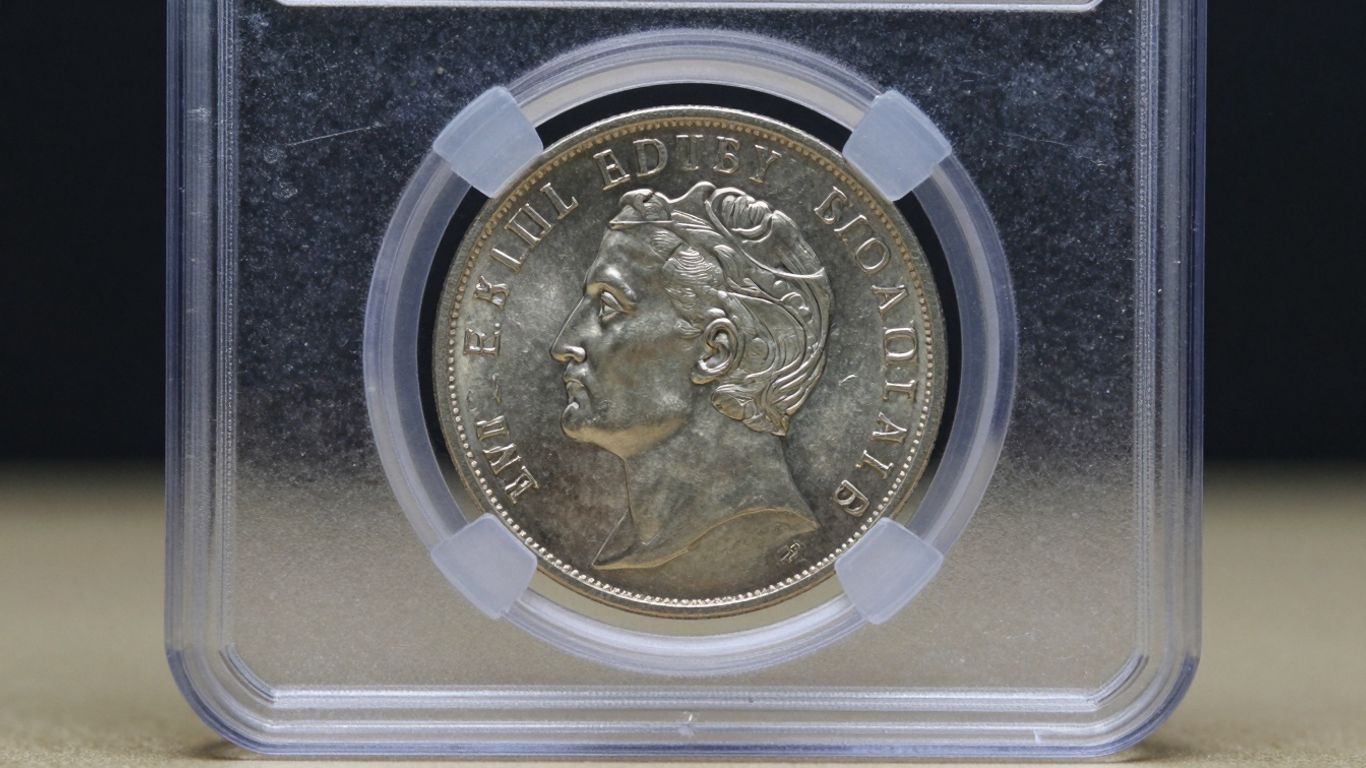
So, you’ve got a coin in one of those fancy plastic holders, and you want to be sure it’s the real deal. It’s not as complicated as it sounds, but you do need to pay attention to a few things. The goal is to confirm both the coin inside and the slab itself are legitimate.
Using Online Certification Number Lookups
This is probably the easiest and most important step. Every reputable grading service, like PCGS or NGC, maintains an online database. You just take the certification number printed on the slab’s label and type it into their website. If the coin is real and properly graded, its details – like the date, mint mark, and the assigned grade – should pop right up. You can often see high-resolution images of the coin too. If the number doesn’t pull up anything, or if the details don’t match what’s on the slab, that’s a big warning sign. It’s a good idea to check this right away, maybe even before you buy, if possible. You can find these verification tools on the grading companies’ official websites.
Identifying Counterfeit Slabs
Sometimes, the slab itself can be faked. Early on, some counterfeit slabs were just snapped together, but modern ones are usually sonically sealed, meaning they can’t be opened without damaging the plastic. Look closely at the edges of the holder. Do you see any signs that it’s been tampered with or glued? Real slabs often have security features like holograms, special inks, or even microprinting that’s hard to fake. The label inside should also look professional, with crisp printing and accurate information. If the label looks blurry, has typos, or seems cheaply made, be suspicious. Some counterfeit slabs might even try to mimic security features, so comparing it to known genuine examples is smart.
Understanding Security Features
Grading companies are always trying to stay ahead of counterfeiters. That’s why you’ll find various security measures built into their slabs. These can include:
- Holograms: Often placed on the label or the slab itself, these are difficult to replicate accurately.
- Microprinting: Tiny text that is only visible under magnification, often found around the edges of the label or within graphics.
- UV-Reactive Elements: Some labels or security features might only be visible under ultraviolet light.
- Tamper-Evident Seals: The way the slab is sealed is designed to show obvious signs of tampering if someone tries to open it.
Beyond the slab, take a look at the coin itself. Does it look right for the grade? Are there any obvious signs of cleaning or damage that the grade doesn’t account for? Sometimes, counterfeit slabs contain genuine coins that have been altered, or they might contain fake coins altogether. Comparing the coin in the slab to images of genuine examples of the same date and mint mark is a good practice. If you’re buying online, always check the seller’s reputation and look for detailed photos. For high-value purchases, consider buying from established dealers or auction houses where authenticity is usually guaranteed. If you’re still unsure about a slabbed coin, you can always look into a reholder service offered by the major grading companies; they will verify the coin and put it in a new, secure slab. Check certification numbers on the grading company’s website to start.
The Investment Aspect Of Coin Slabbing
How Slabbing Protects Your Numismatic Investment
When you’re serious about coin collecting, thinking about it as an investment is natural. Getting your coins professionally graded and sealed in a protective holder, or ‘slab,’ is a big part of that. It’s not just about making them look nice; it’s a strategic move to safeguard their value. Think of the slab as a secure, transparent case that shields your coin from all sorts of harm. We’re talking about fingerprints, scratches, environmental damage – things that can quickly chip away at a coin’s worth. The grading service’s certification also acts as a stamp of approval, confirming the coin is real and giving it a specific grade. This makes it much easier for potential buyers to trust what they’re getting, especially if they can’t see the coin in person.
Market Trends and Coin Appreciation
Historically, coins, particularly rare ones in great condition, have shown solid growth. While no investment is a sure thing, certain coin types have done better than many other investments over the long haul. Understanding these market movements can help you decide which coins are worth the cost of slabbing. It’s about knowing what collectors and investors are looking for and how to present your collection to meet that demand. Some coins, like those with classic designs or historical significance, continue to draw interest. The market for these can be quite strong, especially when they come with a reliable grade.
Slabbing As A Strategic Collection Decision
Not every coin in your collection needs to be slabbed. The decision really hinges on the coin’s potential to increase in value and its current market worth. Coins that are already valuable, quite rare, or in exceptionally high grades are usually the best candidates. Sometimes, even a more common coin in a near-perfect grade can become a more desirable item once it’s professionally graded and sealed. It’s a bit of a calculated choice, but when you pick the right coins, slabbing can really boost your collection’s overall appeal and potential profit.
Here’s a quick look at why slabbing makes sense for investment coins:
- Protection: A physical barrier against damage that erodes value.
- Authentication: A verified stamp of authenticity from a reputable service.
- Standardized Grade: A universally recognized assessment of condition.
- Liquidity: Easier to sell because buyers have more confidence.
Deciding to slab a coin is a significant step for any collector. It’s an investment in the coin’s future, providing both protection and a standardized measure of its quality. This professional assessment can significantly influence how the market perceives and values your collection.
| Coin Type | Potential Appreciation Factor | Slabbing Cost (Est.) | Potential Value Increase | Notes |
|---|---|---|---|---|
| Rare Gold Coin | High | $50 – $150 | 20% – 50%+ | High demand, limited supply |
| Key Date Silver | Medium to High | $30 – $75 | 15% – 40%+ | Popular series, sought-after dates |
| High-Grade Common | Low to Medium | $25 – $50 | 5% – 20%+ | Only if grade is exceptional (MS67+ etc.) |
| Common Circulated | Very Low | $25 – $50 | Minimal to None | Generally not recommended for investment |
Wrapping It Up
So, that’s the lowdown on coin slabbing. It’s a pretty involved process, from checking if the coin is real to giving it a grade and then sealing it up tight in that protective plastic. While it might seem like a lot, especially with the costs involved, it really does offer a way to keep your coins safe and give buyers a clear picture of what they’re getting. For collectors serious about preserving their finds and making them more appealing on the market, slabbing is definitely something to consider. It’s all about adding a layer of trust and protection to these little pieces of history.
Frequently Asked Questions
What exactly is a “slabbed” coin?
A slabbed coin is a coin that has been checked by experts, given a grade based on its condition, and then sealed inside a tough, clear plastic case. This case, called a “slab,” shows the coin’s grade, its unique ID number, and the name of the company that graded it. It’s like a certificate of authenticity and condition all in one.
Why do people get their coins slabbed?
People get coins slabbed for a few main reasons. It helps prove the coin is real and protects it from damage, like scratches or fingerprints. The official grade also makes it easier for buyers and sellers to agree on a price, making the coin more valuable and simpler to trade.
How is a coin’s grade decided?
Graders look at many things to decide a coin’s grade. They check for wear, scratches, how well the coin was made (the strike), and its overall look. They use a special scale, usually the 70-point Sheldon scale, where 1 is the worst condition and 70 is perfect. Often, more than one expert looks at the coin to make sure the grade is fair.
What are the main companies that slab coins?
The most famous companies that grade and slab coins are PCGS (Professional Coin Grading Service) and NGC (Numismatic Guaranty Company). There are also other reputable services like ANACS and CAC Grading that collectors use. Each company has its own way of grading and its own reputation in the coin world.
How much does it usually cost to get a coin slabbed?
The cost can vary a lot. Basic grading for common coins might cost around $20 to $30. However, if the coin is very rare, valuable, or you want it graded quickly, the price can go up significantly. You also have to add costs for shipping and insuring the coin.
Is it always worth it to get a coin slabbed?
Not always. Slabbing is usually best for coins that are valuable enough to justify the cost of grading and potential increase in value. For very common or low-value coins, the grading fee might be more than the coin itself is worth. It’s important to research your coin’s potential value first.
How can I check if a slabbed coin is real and not a fake?
You can usually check a slabbed coin’s authenticity by looking up its certification number on the grading company’s website. Most major services have online databases where you can enter the number to see the coin’s details. Also, inspect the slab itself for security features like holograms or specific sealing methods that match the grading company’s known practices.
What are the downsides of having a coin slabbed?
While slabbing offers many benefits, there are a few downsides. The cost can be high, especially for less valuable coins. Slabbed coins take up more storage space than raw coins. Also, once a coin is in a slab, you can’t handle it directly, which some collectors enjoy. Lastly, fake slabs can exist, so it’s important to buy from trusted sources.