Ever looked at an old coin and wondered if it’s worth more than just pocket change? That’s a common thought, and it gets to the heart of what makes coins valuable. It’s not just about the metal they’re made of, or the face value stamped on them. There’s a whole world of difference between what a coin is worth for its metal content, often called coin melt value vs collector value, and what someone might pay for it because it’s rare or historically interesting. Understanding this distinction is super important if you’ve got a coin collection, whether it’s a few old dimes or a serious hoard.
Key Takeaways
- Coin melt value is simply the worth of the precious metal inside a coin, like silver or gold, based on current market prices. It’s the baseline value if the coin were melted down.
- Collector value, also known as numismatic value, is what a coin is worth to collectors. This can be much higher than melt value and depends on factors like rarity, condition, historical significance, and demand.
- The difference between coin melt value vs collector value is huge. A common silver quarter might be worth more for its silver than its 25-cent face value, but a rare coin in great condition could be worth thousands, regardless of its metal content.
- Coin condition is a major driver of collector value. A coin that looks like new (Mint State) is worth far more than one that’s heavily worn from circulation. Never clean your coins, as this almost always damages their collector value.
- Rarity, mint marks, and historical ties all boost a coin’s collector value. Limited production runs, special dates, or coins linked to major events often attract serious buyers willing to pay a premium over the metal’s worth.
Understanding Coin Melt Value vs. Collector Value
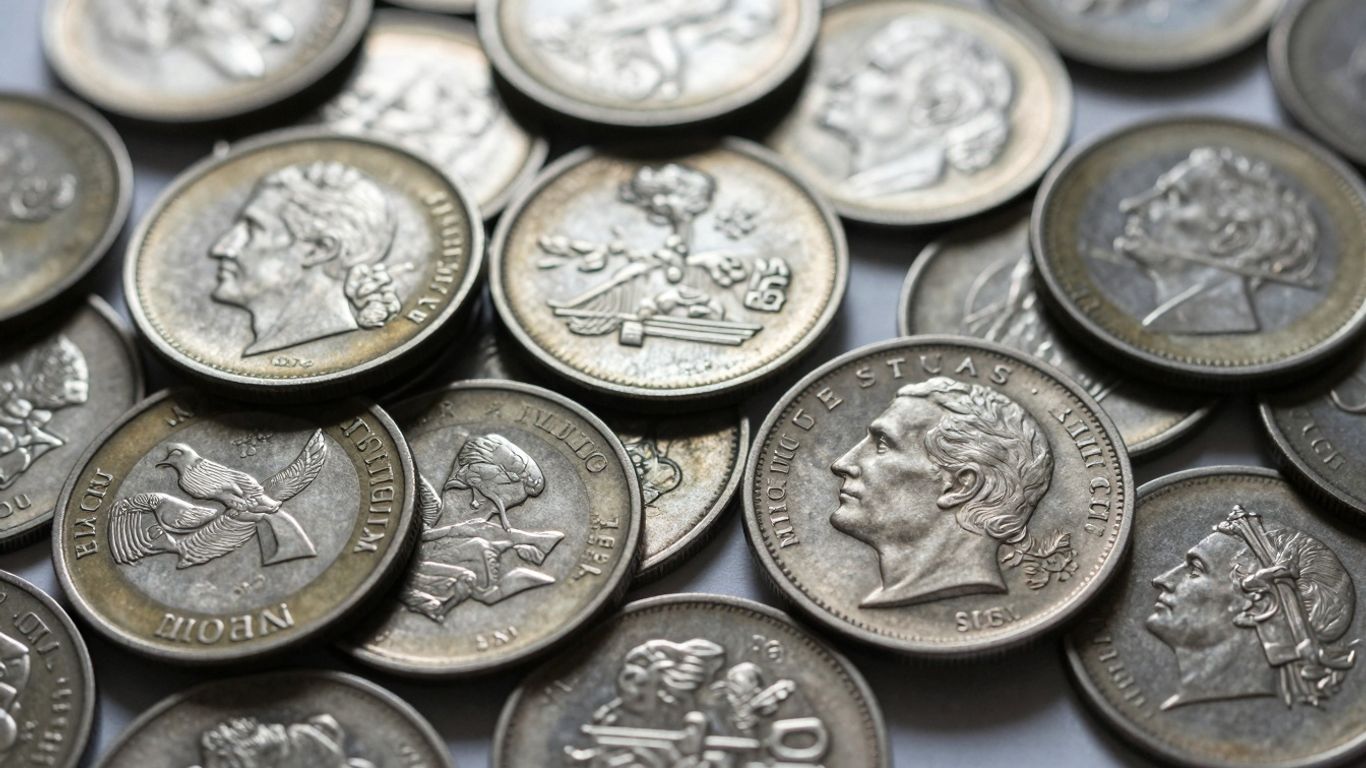
When you look at an old coin, what do you see? Is it just a piece of metal with a number stamped on it, or is there something more? For anyone getting into coin collecting, or even just trying to figure out what those old coins in your attic are worth, it’s super important to get a handle on two main ideas: melt value and collector value. They sound similar, but they can be worlds apart, and understanding the difference is key to knowing what your coins are really worth.
Defining Melt Value: The Intrinsic Worth of Metal
Melt value, sometimes called intrinsic value, is pretty straightforward. It’s basically the worth of the precious metal that makes up the coin, if you were to melt it down. Think of it as the coin’s baseline value, based purely on its material content. For coins made of gold, silver, or platinum, this metal content can be quite significant. For example, a pre-1965 U.S. silver quarter, which is 90% silver, has a melt value that’s way more than its 25-cent face value. If silver is trading at $30 per troy ounce, that quarter contains about $5.42 worth of silver. It’s a simple calculation: coin’s metal weight multiplied by the current market price of that metal. This is why older silver coins often disappeared from circulation after silver prices went up; they were worth more as metal than as money.
- Weight: How much the coin weighs in troy ounces.
- Purity: The percentage of precious metal in the coin (e.g., 90% silver).
- Spot Price: The current market price for one troy ounce of the metal.
Defining Collector Value: Beyond the Metal Content
Collector value, or numismatic value, is where things get more interesting and often much more profitable. This is the value a coin holds for collectors, and it has little to do with the metal it’s made from. Instead, it’s driven by factors like rarity, historical significance, condition, and demand from people who want to own that specific coin. A coin might be made of a base metal and have almost no melt value, but if it’s rare and highly sought after, it could be worth thousands. Conversely, a coin with a lot of silver might be worth only its melt value if it’s common and nobody particularly wants it for their collection.
The Crucial Distinction for Your Collection
So, why does this matter for your collection? Well, knowing the difference helps you make smart decisions. If you have a pile of old silver dimes, their melt value might be your primary concern. You can use online calculators to get a quick estimate of their worth based on current silver prices. However, if you stumble upon a rare date or a coin in amazing condition, its collector value could dwarf its melt value. Never clean your old coins, as this can irreversibly damage their collector value. It’s always a good idea to research your coins or consult with a professional if you suspect you have something special. Understanding both sides of the coin—its metal worth and its collectible appeal—is the first step to truly appreciating your collection’s potential. For more on how coins are officially valued, you can look into official coin grading.
The value of a coin isn’t always obvious. Sometimes, a coin that looks like just old metal can be a historical artifact or a rare treasure. It’s about looking past the surface and understanding what makes a coin desirable to collectors.
Calculating the Melt Value of Your Coins
So, you’ve got some old coins lying around, maybe inherited them or just found them tucked away. Before you dismiss them as just old pocket change, let’s figure out what the metal inside is actually worth. This is what we call the ‘melt value’ – it’s basically the price of the raw materials, like silver or gold, that make up the coin. It’s a good starting point, especially for older coins that might be made of precious metals.
Key Variables: Weight, Purity, and Spot Price
To get a handle on melt value, you need to know three main things about your coins:
- Weight: How much does the coin weigh? This is usually measured in troy ounces, which are a bit heavier than regular ounces. One troy ounce is about 31.1 grams.
- Purity: How much of that weight is actually the precious metal you’re interested in? For example, older U.S. silver coins are often "90% silver," meaning 90% of their weight is pure silver, and the rest is other metals.
- Spot Price: This is the current market price for one troy ounce of the pure metal (like silver or gold). This price changes all the time, sometimes by the minute, depending on what’s happening in the world’s financial markets.
Formulas for Determining Metal Worth
Calculating the melt value isn’t too complicated once you have those numbers. The basic idea is to figure out how much pure metal is in the coin and then multiply that by the current spot price of the metal.
Here’s a simple way to think about it:
- Find the amount of pure metal: Take the coin’s total weight in troy ounces and multiply it by its purity (expressed as a decimal). For instance, if a coin weighs 1 troy ounce and is 90% silver, you have 1 x 0.90 = 0.90 troy ounces of pure silver.
- Calculate the melt value: Multiply the amount of pure metal (from step 1) by the current spot price of that metal. So, if silver is trading at $25 per troy ounce, and you have 0.90 troy ounces of pure silver, the melt value is 0.90 x $25 = $22.50.
Here’s a quick look at the approximate fine silver content in some common older U.S. coins (these are for 90% silver coins unless noted):
| Coin Type | Fine Silver Weight (Troy Ounces) |
|---|---|
| Dime | 0.0723 |
| Quarter | 0.1808 |
| Half Dollar | 0.3617 |
| Silver Dollar | 0.7734 |
| 40% Half Dollar | 0.1479 |
| War Nickel (35%) | 0.0563 |
Remember, these weights are for the pure silver content. You’d then multiply these by the current silver spot price to get the melt value.
Utilizing Online Melt Value Calculators
Doing these calculations yourself can be a bit tedious, especially if you have a lot of coins. Luckily, there are tons of free online melt value calculators available. These tools are super handy. You just tell them what kind of coins you have (like how many pre-1965 quarters or silver dollars) and how many of each, and the calculator does all the math for you. It usually pulls the current spot prices for gold, silver, and platinum automatically, giving you a quick total for your collection’s metal worth.
It’s really important to remember that the spot price you see online is for raw metal. When you’re actually buying or selling coins, there’s often a small extra charge or discount added by dealers to cover their costs of doing business. So, the melt value is a good baseline, but the actual transaction price might be a little different.
These calculators are also great for playing around with different scenarios. You can see how your collection’s value might change if the price of silver goes up or down. It’s a simple way to get a feel for the market without having to do all the heavy lifting yourself.
Factors Influencing Collector Value
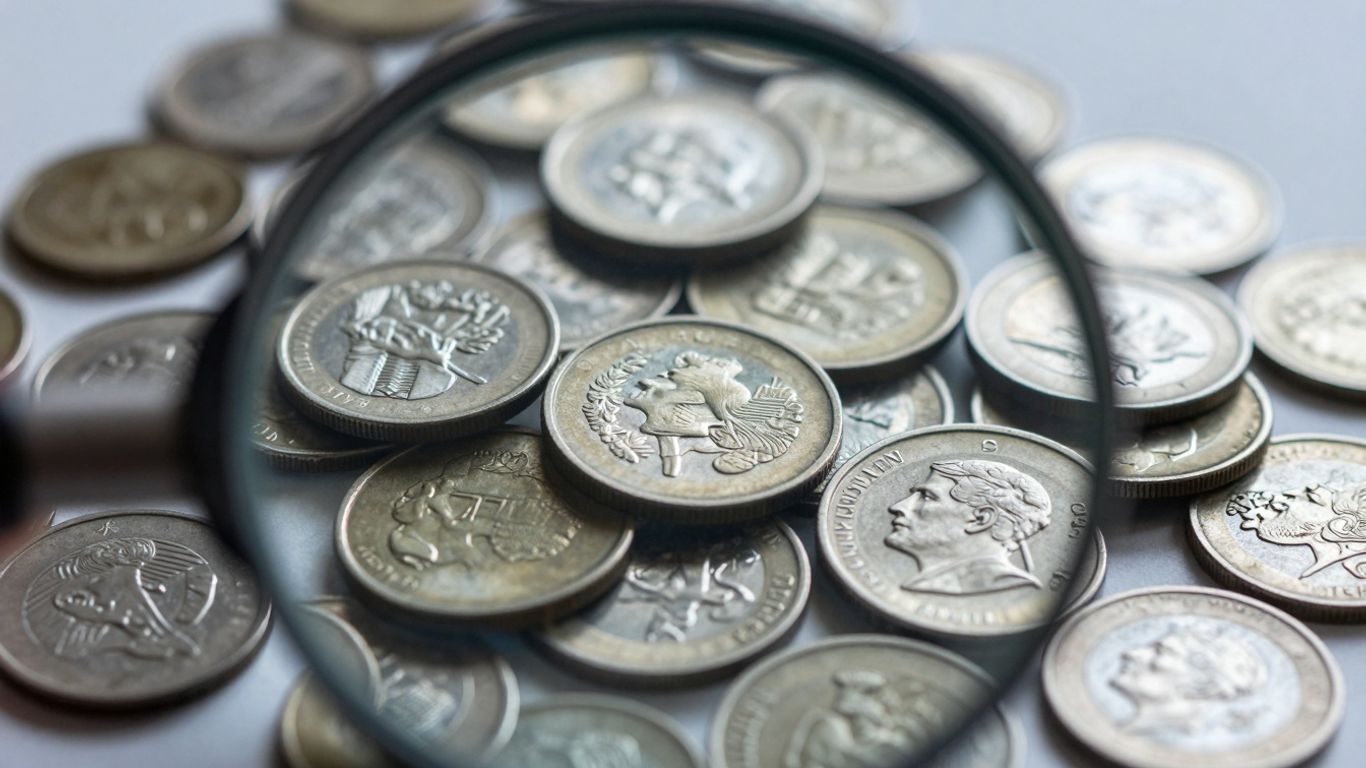
So, you’ve got some coins, and you’re wondering what makes one worth more than another, beyond just the metal inside. It’s not just about rarity, though that’s a big part of it. Several things come into play, and understanding them can really change how you look at your collection.
The Paramount Importance of Coin Condition
This is huge. Think about it: two coins, same year, same mint, but one looks like it just came off the press and the other has been tossed around in pockets for decades. The difference in value can be massive. This is where grading comes in. A coin that’s in what collectors call ‘Mint State’ – meaning it’s never been used as money – can be worth way, way more than a coin that’s clearly circulated.
Here’s a quick rundown of why condition matters so much:
- Wear and Tear: Obvious scratches, nicks, or worn-down details drastically reduce a coin’s appeal and price.
- Surface Preservation: Even tiny imperfections like hairlines from improper cleaning or environmental damage can hurt a coin’s grade.
- Original Luster: That original shine, or ‘mint luster,’ is a key indicator of a coin’s condition and desirability.
Cleaning a coin, even with the best intentions, is often one of the worst things you can do for its value. It removes that original surface and can leave microscopic scratches that are visible under magnification. It’s usually better to leave a coin as is, even if it looks a bit dirty.
Rarity and Mintage: How Scarcity Drives Demand
This one makes a lot of sense. If only a few of something were ever made, people will want it more, right? It’s the same with coins. The number of coins produced, known as the mintage, is a major factor. Low mintage coins are naturally harder to find, which makes collectors willing to pay more for them.
- Key Dates: Certain years or mint marks within a coin series are known for having very low production numbers. These are often the most sought-after pieces.
- Mint Marks: Where a coin was made (e.g., Philadelphia ‘P’, Denver ‘D’, San Francisco ‘S’) can also affect rarity. Some mint marks produced far fewer coins than others in the same year.
- Survival Rate: It’s not just about how many were made, but how many still exist today. Coins from long ago might have had high mintages, but if most were melted down or lost, the survivors become rare.
Historical Significance and Eye Appeal
Sometimes, a coin’s value isn’t just about its metal or how many were made. It’s about the story it tells. Coins that are tied to important historical events, famous people, or significant periods can have a special allure.
- Event Connection: A coin minted during a major war, a presidential election, or a significant cultural shift can carry extra weight with collectors.
- Artistic Merit: Some coins are simply beautiful. Their design, engraving quality, and overall aesthetic can make them desirable, regardless of other factors.
- Cultural Narratives: Coins can reflect the values, symbols, and political messages of their time. Owning one is like holding a tangible piece of that history.
Why Coin Melt Value Differs from Face Value
Face Value: The Stamped Monetary Worth
Face value is pretty straightforward. It’s the number stamped right on the coin, telling you what it’s worth as actual money. Think of a quarter; it says "Quarter Dollar" on it, so its face value is 25 cents. This is what the government says the coin is worth for buying stuff. It’s like the coin’s official ID tag. For most modern coins, especially those made from less valuable metals, the face value is pretty much all they’re worth. You can’t really get much more for a penny than, well, a penny.
Melt Value: The Precious Metal's Market Price
Now, melt value is a whole different ballgame. This is about what the metal inside the coin is actually worth if you were to melt it down. For coins made with silver, gold, or platinum, this can be way more than the face value. For example, older U.S. dimes, quarters, and half-dollars were made with 90% silver. If you have a bunch of these, their melt value, based on the current price of silver, could be significantly higher than their 10, 25, or 50-cent face value. It’s all about the spot price of the metal on any given day. The price of silver changes constantly, so the melt value isn’t fixed.
Precious Metal Content Exceeding Face Value
This is where things get interesting for collectors and investors. Many coins, especially older ones or specific bullion coins, have a metal content worth much more than their stamped denomination. Take a pre-1965 silver quarter, for instance. Its face value is 25 cents, but its silver content alone might be worth several dollars, depending on the silver market. This difference is why those older silver coins disappeared from circulation after 1965 – people realized they were worth more as metal than as money.
Here’s a quick look at some common U.S. coins and their approximate silver weight:
| Coin Type | Face Value | Silver Purity | Approx. Silver Weight (Troy Oz) |
|---|---|---|---|
| 90% Dime | $0.10 | 90% | 0.0723 |
| 90% Quarter | $0.25 | 90% | 0.1808 |
| 90% Half Dollar | $0.50 | 90% | 0.3617 |
| Silver Dollar | $1.00 | 90% | 0.7734 |
| 40% Half Dollar | $0.50 | 40% | 0.1479 |
The intrinsic worth of the metal in a coin is determined by its purity and weight, not by the number printed on it. This is a key concept for anyone looking to understand coin values beyond their everyday use.
So, while a coin might say "One Dollar" on it, if it’s made of gold, its actual worth could be thousands of dollars based on the gold price. This is why understanding the metal content is so important for assessing your coins. It separates the coin’s identity as currency from its value as a commodity.
The Impact of Coin Condition on Value
Grading Scales and Their Significance
When you look at two coins that are otherwise identical – same year, same mint mark – their value can be worlds apart. What’s the difference? It’s almost always the condition. This is where grading comes into play. Think of it like a report card for your coin. Professional grading services use a detailed scale, often from 1 to 70, to assess a coin’s state of preservation. A coin that’s practically perfect, with no wear and full of original luster, will score much higher than one that’s been passed around in pockets for decades. Even a few points on this scale can mean the difference between a coin worth its metal content and one that commands a significant premium.
Mint State vs. Circulated Coins
This is a big one. A coin that’s considered "Mint State" (often abbreviated as MS) has never been used in commerce. It left the mint and went straight into a collection, or at least, it should look that way. These coins retain all their original detail and have no signs of wear. On the other hand, "circulated" coins show the wear and tear of everyday use. You can see it in the flattened high points, the dulled surfaces, and sometimes even nicks and scratches. The jump in value from a circulated coin to a Mint State coin can be enormous, sometimes ten, twenty, or even more times the value, depending on the coin.
The Irreversible Damage of Cleaning Coins
This is probably the most common and costly mistake new collectors make. You find an old coin, and it looks a bit dull or dirty. Your first thought might be, "I’ll just give it a quick clean to make it shine!" Don’t do it. Cleaning a coin, even with the best intentions, almost always damages its surface. This damage can be microscopic scratches that only a magnifier can reveal, or it can be a dulling of the original luster. Collectors and dealers prize a coin’s original surface and the natural patina it develops over time. Once that’s gone, it’s gone forever. Trying to "fix" a coin’s appearance by cleaning it can slash its numismatic value, sometimes by half or more. Even if you’re just thinking about selling a coin for its melt value, cleaning is unnecessary and can still be detrimental if the coin turns out to have collector appeal.
When you’re assessing a coin’s condition, remember that its history of handling and storage plays a huge role. Moisture, improper storage, and rough handling are the biggest enemies of a coin’s surface. Even if a coin looks okay at first glance, years of exposure to the elements or being tossed around can take their toll. Preservation is key to maintaining a coin’s value over the long haul.
Rarity and Mintage: Driving Collector Demand
When you’re looking at coins, especially older ones, you’ll quickly notice that not all of them are created equal. Some are super common, and others? Well, they’re incredibly hard to find. This difference in how many were made, and how many still exist today, is a huge part of what makes a coin desirable to collectors.
Limited Production and Key Dates
Think about it like this: if a company makes a million of something, it’s not that special. But if they only make a hundred? Suddenly, everyone wants one. The same applies to coins. When a mint produces a coin in very small numbers, it becomes rare. These low-mintage coins, often called "key dates," are usually the most sought-after pieces in a series. For example, a common 1964 Kennedy half dollar is worth about $11.25 for its silver, but a 1916-D Mercury dime in good condition could be worth over $2,000—not for its silver, but because collectors want it. The fewer coins that were originally minted, the higher the potential collector value.
Mint Marks and Their Value Implications
Where a coin was made can also make a big difference. Most coins have a tiny letter on them, called a mint mark, showing which U.S. Mint facility produced it. Sometimes, one mint produced way fewer coins than another in the same year, or maybe one mint’s coins were melted down later. This can make coins from a specific mint mark much rarer and more valuable than identical coins from a different mint. For instance, a coin from the Denver mint (D) might be worth a lot more than the same coin from Philadelphia (no mint mark) if fewer were made or survived.
Surviving Numbers and Historical Context
It’s not just about how many were made originally; it’s also about how many are still around. Over the years, coins get lost, damaged, or melted down. A coin that had a large mintage but has a high survival rate might not be as valuable as a coin with a lower mintage but an even lower survival rate. Collectors often look at the estimated number of surviving examples in various conditions. This is where understanding the history behind a coin comes into play. Were there major events, like wars or economic depressions, that might have led to large numbers of coins being melted or lost? Knowing this context helps explain why certain coins are so scarce today.
The world of coin collecting is changing. Online marketplaces and digital auctions have opened the door for global participation. That means more opportunities to buy and sell but also more chances to run into counterfeits. Technology is also reshaping how coin appraisal is done. High-resolution imaging and even AI-driven grading tools are emerging. While nothing replaces an experienced eye, these tools add extra layers of confidence.
Here’s a quick look at how mintage can affect value:
| Coin Example | Original Mintage (Approx.) | Estimated Survival Rate | Typical Collector Value (Varies Greatly) |
|---|---|---|---|
| 1909-S VDB Lincoln Cent | 484,000 | Low | High |
| 1955 Double Die Obverse Lincoln Cent | ~20,000 (estimated) | Medium | Very High |
| 1937-D "3 Over 2" Buffalo Nickel | Unknown (error) | Very Low | High |
Remember, these are just general ideas. The actual price depends on many things, including the coin’s condition and current demand for specific coins. Always do your homework!
Historical Significance and Numismatic Appeal
Coins Tied to Major Historical Events
Sometimes, a coin is more than just metal and a date. It’s a tiny artifact that can transport you back in time. Think about coins minted during periods of major change – wars, revolutions, or the rise and fall of empires. These coins often carry a weight beyond their material worth because they were part of those moments. A coin that was in circulation during the Civil War, for instance, might be sought after not for its silver content, but because it represents a tangible link to that turbulent era. Collectors are drawn to this connection, wanting to hold a piece of history in their hands.
Cultural and Political Narratives in Coinage
Coins are like miniature history books, telling stories about the people, places, and ideas of their time. The portraits on them show us who was in charge, while the symbols and designs can reveal a lot about a nation’s values or aspirations. A coin from ancient Rome might feature an emperor, telling us about power and governance. A more modern coin might commemorate a national achievement or a cultural icon. These narratives add a layer of interest that goes way beyond just the metal. It’s about understanding the context and the message the coin was meant to convey.
The Allure of Holding History
For many collectors, the real magic of coins lies in their ability to connect us to the past. Imagine holding a coin that someone used hundreds of years ago. What did they buy with it? Where did it travel? This sense of connection is a powerful draw. It’s not just about the monetary value; it’s about the stories these objects could tell if they could speak. This fascination with the past, with tangible links to bygone eras, is what gives many coins their special numismatic appeal, making them far more interesting than their melt value might suggest.
The Role of Professional Coin Appraisal
So, you’ve got a pile of coins, maybe inherited, maybe found in an old jar. You’re wondering what they’re actually worth. It’s easy to get lost in the details, right? That’s where getting a professional coin appraisal really comes into play. It’s not just about getting a number; it’s about getting the right number and understanding why.
Authentication: Identifying Genuine vs. Counterfeit
First things first, is the coin even real? Counterfeiting isn’t new; people have been faking coins for ages. Some fakes are pretty obvious, but others are really well done. A good appraiser has a trained eye and the right tools to spot the difference between a genuine piece of history and a clever imitation. They look at things like the metal composition, the strike quality, and even tiny details that a faker might miss.
Accurate Grading by Expert Eyes
This is a big one. Remember how we talked about condition making a huge difference? Well, professionals have a standardized way of grading coins, from heavily worn ones to those that look like they just left the mint. They use scales like the Sheldon scale (1-70) to describe a coin’s condition precisely. Getting an expert opinion here is key because even a slight difference in grade can mean a massive jump in value. It takes years to get good at this, so relying on someone who does it for a living makes sense.
Market Analysis for Fair Valuation
An appraiser doesn’t just look at your coin in a vacuum. They check recent sales records, what similar coins are listed for by dealers, and what the general demand is like right now. It’s like checking the stock market before you buy or sell. They combine the coin’s physical attributes (like its metal content and condition) with current market trends to give you a realistic price. This helps you know if you’re getting a fair deal when buying or selling, or if your collection is properly insured.
Here’s a quick look at what goes into the valuation:
- Authenticity: Is it real?
- Condition (Grade): How worn or perfect is it?
- Rarity: How many were made, and how many still exist?
- Demand: Are collectors looking for this type of coin right now?
- Historical Significance: Does it have a story that adds appeal?
Getting a professional appraisal gives you a clear picture of your collection’s worth. It’s about more than just money; it’s about peace of mind and making informed decisions, whether you’re looking to sell, insure, or just understand what you own.
Preserving Your Collection's Value
So, you’ve got some coins, and you want to make sure they stay in good shape, right? It’s not rocket science, but there are definitely some things you should and shouldn’t do. Think of it like taking care of a vintage car – you wouldn’t just leave it out in the rain, would you? Your coins deserve similar attention.
Proper Storage Techniques
This is where it all starts. The wrong environment can wreck a coin faster than you might think. Moisture is a big one; it can cause corrosion and that ugly green stuff. Direct sunlight isn’t great either, as it can fade colors and damage surfaces over time. And extreme temperature swings? Not ideal.
Here’s a quick rundown of what works:
- Use protective holders: This is non-negotiable. Think individual plastic capsules, Mylar flips, or albums designed for coins. These keep them from rubbing against each other or touching anything that could harm them.
- Find a cool, dry spot: A closet in a climate-controlled part of your house is usually a good bet. Avoid basements or attics if they tend to get damp or too hot/cold.
- Keep them away from chemicals: Don’t store coins near cleaning supplies, paint, or anything with strong fumes. Those smells can actually transfer and damage the metal.
The Dangers of Improper Handling
This is probably the most common mistake people make, especially when they’re just starting out. You get a shiny new coin, and your first instinct is to pick it up and admire it. Resist the urge to touch the coin’s surface. Your fingers have oils and acids that can leave marks, even if you can’t see them right away. These oils can attract dirt and cause long-term damage.
When you absolutely must handle a coin, always do it by the edges. A pair of soft cotton gloves can also be a good idea, especially for more valuable pieces. It might feel a bit fussy, but it makes a huge difference in keeping that surface pristine.
Avoiding Common Preservation Mistakes
We’ve already touched on the big one: cleaning. Seriously, don’t do it. People think they’re helping by polishing up a dull coin, but they’re usually just removing valuable patina and creating microscopic scratches that drastically lower the coin’s worth. If a coin looks dirty, leave it alone. A professional grader or a buyer who understands coins will know that cleaning is irreversible damage.
Another mistake is overcrowding. Stuffing too many coins into one holder or album can lead to them scratching each other. Give each coin its own space. Also, be mindful of the materials you’re using. Some older plastics or cardboard holders can actually leach chemicals onto the coins over time. Stick to inert materials like Mylar or acrylic.
The goal is to protect the coin’s original state. Any intervention, especially cleaning, is almost always detrimental. Think of it as preserving a piece of history exactly as it was found, rather than trying to make it look new.
Navigating the Coin Market Trends
So, you’ve got some coins, and you’re wondering what’s happening in the world of collecting right now. It’s a bit like trying to follow the stock market, but with more history and, let’s be honest, sometimes more interesting stories. The market for coins isn’t static; it shifts and changes, and knowing a little about that can help you make smarter decisions, whether you’re buying, selling, or just admiring your stash.
Understanding Market Fluctuations
Coin values can go up and down. It’s not always about the metal content, though that’s a big part of it for some coins. Sometimes, a particular type of coin just becomes really popular for a while. Maybe it’s a certain series, like Morgan dollars, that collectors suddenly can’t get enough of. Then, a few years later, interest might shift to something else entirely. It’s influenced by what’s being talked about, what’s being shown at coin shows, and even what’s being featured in popular culture. Keeping an eye on these trends can help you spot opportunities.
Here’s a quick look at how things can change:
- Popularity Swings: A series that was overlooked a decade ago might be in high demand today.
- Economic Impact: When the economy is strong, people might spend more on collectibles. When things are tight, some collectors might sell to raise cash.
- New Discoveries: Sometimes, finding a previously unknown variety or a significant hoard can shake up the market for a specific coin.
The coin market is a dynamic space. What’s considered a common find today might become a sought-after rarity tomorrow, and vice-versa. It’s a constant dance between supply, demand, and the ever-changing interests of collectors.
Identifying Emerging Collector Interests
What are people getting excited about these days? Well, it seems like coins tied to significant historical moments or cultural shifts are gaining traction. Think about coins that represent major events from the 20th and 21st centuries. Things like early coins from the space age or special commemorative issues that mark global happenings are starting to catch collectors’ eyes. It’s like people want to hold a tangible piece of history that speaks to a specific time or achievement.
Some areas to watch:
- Modern Commemoratives: Limited runs celebrating events or people.
- World Coins: As the world gets smaller, interest in coins from different countries grows.
- Thematic Collections: Coins depicting specific motifs like ships, animals, or famous landmarks.
Staying Informed for Wise Transactions
So, how do you keep up? It’s not rocket science, but it does take a little effort. Joining a local coin club is a great way to chat with other collectors and dealers. Attending coin shows lets you see what’s out there and get a feel for prices. Online forums and reputable coin news websites are also good resources. The more you read and talk to people, the better you’ll get at understanding what drives value and when might be a good time to buy or sell. It’s all about building your knowledge base so you can make confident moves.
Wrapping It All Up
So, we’ve talked about how coins have two main kinds of value: what the metal inside is worth, and what collectors are willing to pay for it because it’s rare or historically important. It’s easy to get caught up in just the melt value, especially with silver coins, but sometimes that old dime or quarter is worth way more than just its silver content. Knowing the difference helps you figure out if you’ve got a piece of history or just some metal. Don’t forget that condition really matters, and cleaning coins can actually hurt their value. If you’re serious about your collection, doing a little research or getting an expert opinion can make a big difference in understanding what you really have.
Frequently Asked Questions
What's the main difference between melt value and collector value?
Think of melt value as the price of the metal inside a coin, like silver or gold, if you were to melt it down. Collector value, or numismatic value, is what a coin is worth to someone who wants it for their collection. This can be way more than the metal price, depending on how rare it is and its condition.
How do I figure out the melt value of my coins?
To find the melt value, you need to know the coin’s weight, how much pure metal is in it (its purity), and the current price of that metal on the market. You can often use online calculators where you just plug in the coin type and quantity, and it does the math for you using live metal prices.
What makes a coin more valuable to a collector?
Several things make a coin valuable to collectors. Its condition is super important – a coin that looks brand new is worth much more than a worn-out one. How rare the coin is also matters a lot; if only a few were made, collectors will pay more. Sometimes, a coin’s history or how cool it looks can also boost its value.
Why is a silver coin's melt value usually higher than its face value?
Face value is just the amount stamped on the coin, like 25 cents for a quarter. Melt value is the price of the silver inside. For older U.S. coins made before 1965, the silver they contain is worth much more than their face value, which is why you don’t see them in everyday change anymore.
Should I clean my old coins to make them look better?
Definitely not! Cleaning a coin, even gently, can cause tiny scratches and remove its natural aged look, called patina. This damage is permanent and can drastically lower its collector value, sometimes by a lot. It’s best to leave coins as they are.
Does the mint mark on a coin affect its value?
Yes, it can! A mint mark is a small letter showing where the coin was made. Sometimes, coins made at a specific mint are rarer or more sought after by collectors, which can make them more valuable than identical coins from other mints.
What's the best way to store my coin collection?
To keep your coins safe, store them in protective holders or special plastic capsules. Keep them in a place that’s cool and dry, out of direct sunlight. Always handle coins by their edges, not the flat parts, to avoid fingerprints and scratches.
How can I tell if a coin is real or fake?
Figuring out if a coin is genuine often requires expert knowledge. Professional coin appraisers have the experience and tools to spot fakes. They check details like weight, metal composition, and strike quality. If you have a valuable coin, getting it authenticated by a professional service is a good idea.