So, you’ve got a bunch of coins and you’re looking to sell them as a lot here in Tampa. It can be a bit of a puzzle trying to figure out who to trust and where to get a fair price. You want to find those coin lot buyers in Tampa who know what they’re doing and won’t try to pull a fast one. It’s not just about offloading your collection; it’s about getting a reasonable return for something you’ve likely put time and care into. Let’s break down how to find the right people to buy your coin lots.
Key Takeaways
- Explore local coin shops and reputable dealers in Tampa for selling your coin lots.
- Understand your coin collection’s value by researching prices and considering professional grading.
- Prepare your coins properly for sale, focusing on storage and seeking expert advice.
- Learn to assess buyer reputation in Tampa by looking at reviews and professional affiliations.
- Consider different selling strategies like consignment or selling to private collectors versus dealers.
Finding Reputable Coin Lot Buyers In Tampa
So, you’ve got a collection of coins and you’re looking to sell them right here in Tampa. It can feel a bit overwhelming trying to figure out where to start, right? It’s not just about finding someone who wants to buy; it’s about finding the right buyer who appreciates what you have. Building connections in the local coin scene is a smart move. Think of it like getting to know the regulars at your favorite coffee shop – you start to learn who knows their stuff and who’s just passing through.
Local Coin Shops In Tampa
Your first stop might be one of the local coin shops scattered around the Tampa Bay area. These places are often run by people who really know their stuff when it comes to coins. They’re usually happy to take a look at what you have, give you an appraisal, and make an offer. It’s a good way to get a quick idea of what your coins might be worth from someone who sees these kinds of coins regularly. Just remember, they’re in business to make a profit, so their offer will likely be lower than what you might get selling directly to a collector. For example, Arthur Yates and Son Jewelers is a well-known spot for precious metals and coins in Tampa.
Reputable Dealers For Your Collection
When you’re dealing with potentially valuable coins, sticking with dealers known for being honest and fair is a smart move. You want someone who won’t try to take advantage of you. Look for dealers who are members of professional organizations like the American Numismatic Association (ANA) or the Professional Numismatists Guild (PNG). These affiliations often mean they adhere to a code of ethics. A good dealer will be transparent about how they arrive at their offer and might even explain why certain coins are more desirable than others. They’ll also be knowledgeable about the specific coins you might have.
Tampa Coin Shows And Events
Keep an eye out for coin shows and numismatic events happening in and around Tampa. These gatherings are fantastic opportunities to meet a wider range of buyers, from local dealers to collectors from further afield. You can often find dealers specializing in U.S. type coins or specific series. Attending a show allows you to shop your coins around to multiple potential buyers in one place, which can help you gauge interest and get a better sense of market value. Plus, it’s a great way to learn more about the coin collecting world.
Selling coins can feel a bit overwhelming, especially if you’re new to it. The key is to do a little homework beforehand. Knowing the general condition and any unique features of your coins will put you in a much better position when you talk to potential buyers. Don’t be afraid to ask questions; a good dealer will be happy to share their knowledge.
Understanding Your Coin Collection's Value
Before you even think about selling your coins, you really need to get a handle on what they’re worth. It’s not always as straightforward as you might think. Several things play a role, and knowing these can help you get a fairer price.
Factors Influencing Coin Prices
When it comes to coin values, a few key elements really stand out. The year and mint mark are obvious starting points. Some years were made in much smaller numbers than others, making them naturally rarer. Then there’s the design itself. For example, certain die varieties, which are like small errors or unique characteristics from the minting process, can dramatically increase a coin’s desirability and price. It’s like finding a rare edition of a book; it’s the same story, but the specific version is what collectors hunt for.
Condition is a massive deal in coin collecting. A coin that looks like it just came from the mint, with sharp details and no significant wear, will always fetch more than one that’s been handled a lot or shows obvious signs of use. We’re talking about things like the smoothness of the high points on the design, whether the original luster is still there, and if there are any scratches, nicks, or corrosion. Even small imperfections can knock a lot off the price. The difference between a coin graded as "About Uncirculated" and one graded as "Good" can be thousands of dollars. Rarity goes hand-in-hand with condition. If only a handful of a particular date and mint mark were ever made, and even fewer survived in good condition, that coin is going to be worth a pretty penny. Sometimes, a coin might be common in lower grades but incredibly rare in high grades. That’s where the real value often lies for serious collectors. It’s a bit of a puzzle: you need both a scarce coin and one that has held up well over time to get top dollar.
Researching Coin Values
So, how do you figure out these values? Start by looking at your coins closely. Note the date, mint mark, and any visible wear or damage. Then, you can check resources like price guides or online auction results. Websites that list sold items, not just asking prices, are usually more helpful. You’ll want to compare your coin to similar ones that have actually sold.
Here’s a basic breakdown of what influences value:
- Date and Mint Mark: Some years and mints produced far fewer coins.
- Rarity: How many of this specific coin exist?
- Condition (Grade): This is huge. Coins are graded on a scale, usually from 1 to 70. Higher grades mean less wear and more detail.
- Demand: Are collectors actively looking for this type of coin right now?
- Varieties/Errors: Special minting mistakes or unique die characteristics can add significant value.
Don’t just rely on one source. Cross-reference information from a few different places to get a more balanced idea of your coin’s worth. It takes a bit of digging, but it’s worth the effort.
When To Seek Professional Grading
For most common coins, especially if they’re in circulated condition, paying for professional grading might not make sense. The cost could be more than the potential increase in value. However, if you have a coin that you suspect is rare, in exceptionally high grade, or a key date in a series, getting it graded by a reputable service like PCGS or NGC can really boost its perceived value and marketability. They provide a standardized grade and authenticate the coin, which can give buyers confidence. This is especially true for coins that might be worth hundreds or thousands of dollars.
Think about it this way: professional grading is like getting an appraisal for a valuable antique. It provides an objective assessment that can make buyers more comfortable and willing to pay a higher price. If your coin is potentially very valuable, this step can be a smart investment.
Preparing Your Coins For A Successful Sale
Getting your coin collection ready for sale is a step that many people rush through, but it’s actually pretty important if you want to get a fair price. It’s not about making them look shiny and new – seriously, don’t clean your coins! That can actually hurt their value. Instead, it’s about presenting them in a way that shows you’ve taken care of them and understand what you have.
Properly Storing Your Coins
Think about how you’ve kept your coins over the years. Were they just tossed in a drawer, or have they been stored in a way that protects them? Ideally, you’ve used materials that won’t harm the metal. Things like Mylar flips or specialized coin holders are good. You want to avoid plastics that contain PVC, because that stuff can break down and leave a nasty green film on your coins over time. Also, keeping them in a place with stable temperature and humidity is a good idea. It shows potential buyers that you’ve been a responsible owner.
The Importance Of Coin Expertise
Knowing a bit about your own coins can go a long way. You don’t need to be a professional numismatist, but understanding the basics of the series you own helps. For example, if you have a collection of early American silver dollars, knowing the different dates, mint marks, and common varieties will make you a more informed seller. This knowledge helps you spot which coins might be more desirable or rare. It also helps you talk to dealers and collectors more confidently. They appreciate it when a seller knows what they’re talking about.
Leveraging Dealer Knowledge
While you should do your own homework, don’t be afraid to ask questions of the dealers you meet. A good, reputable dealer will be happy to share some of their knowledge. They can help you identify specific varieties, point out condition issues you might have missed, or give you a better idea of what collectors are looking for. Think of them as a resource. You can use their expertise to learn more about your collection, which in turn helps you present it better and understand its potential market value. It’s a two-way street; they get to see your coins, and you get to learn from them.
Taking these preparation steps isn’t just busywork. It’s about making sure your collection is seen in the best possible light, which can directly impact the offers you receive. A little effort upfront can mean a lot more money in your pocket later on.
Navigating The Tampa Coin Market
So, you’ve got a collection of coins and you’re looking to sell them right here in Tampa. It can feel a bit overwhelming trying to figure out where to start, right? It’s not just about finding a buyer; it’s about finding the right buyer who appreciates what you have. Building connections in the local coin scene is a smart move. Think of it like getting to know the regulars at your favorite coffee shop – you start to learn who knows their stuff and who’s just passing through.
Local Tampa Coin Collector Networks
Tampa has a pretty active group of coin enthusiasts. These aren’t necessarily dealers, but people who genuinely love collecting. They often meet up, sometimes informally, sometimes at organized events. Being part of these groups means you can get a feel for what coins are in demand and who might be looking to add to their own collection. It’s a good way to get a sense of the market without the pressure of a formal sale. You can often find these groups by checking online forums, local hobby shops, or asking around at coin shows.
Choosing The Right Buyer For Your Coins
When you’re ready to sell, you’ll want to think about who you’re selling to. Are you looking for the quickest sale, or are you willing to wait a bit for a potentially better price? Different buyers have different motivations. Some dealers are looking to stock their inventory and will offer a wholesale price. Others might be selling to collectors and could offer closer to retail. Understanding this helps you set your expectations.
Here are a few types of buyers you might encounter:
- Local Coin Shops: Often the most accessible option for a quick sale. They’ll typically offer a price based on what they can resell the coins for, minus their profit margin.
- Private Collectors: These individuals are often passionate about specific types of coins and may pay a premium for items that fit their collection. Finding them might take more effort.
- Online Marketplaces/Auction Houses: These can reach a wider audience but come with fees and require more effort in listing and shipping.
Private Collectors Versus Dealers
Deciding between selling to a private collector or a dealer involves weighing different pros and cons. Dealers are professionals who understand the market and can make an offer quickly. They often buy in bulk and are looking for coins they can resell. Private collectors, on the other hand, might be more interested in specific coins for their personal collection. They might pay more for a particular piece if it’s something they’ve been searching for, but they might also be less experienced in pricing and negotiation.
The coin market isn’t static. Prices can change based on collector interest, economic factors, and what’s being discussed in the numismatic community. Being aware of these shifts helps you time your sale for the best possible outcome.
Strategies For Selling Your Coin Lots
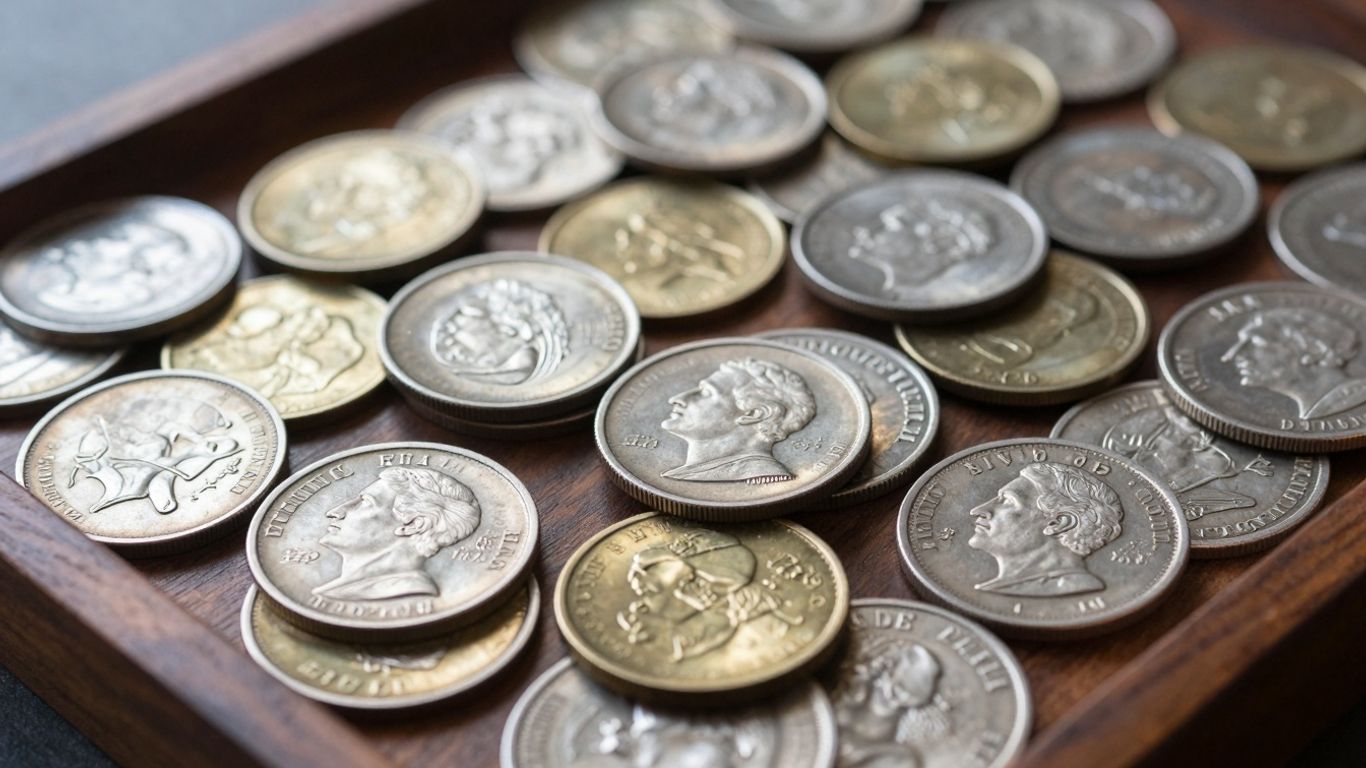
Selling your coin collection, especially in lots, requires a bit of thought. It’s not always about the quickest sale; it’s often about getting the most for your hard-earned collection. You’ve probably spent time and effort gathering these pieces, so why not aim for a sale that reflects that?
Consignment Options For Higher Returns
Consignment can be a smart move if you’re looking to potentially get more money for your coins than a direct sale to a dealer might offer. With consignment, you entrust your coins to a dealer or auction house, and they sell them on your behalf. They take a percentage of the final sale price as their fee, but this often allows your coins to reach a wider audience of collectors who might be willing to pay a premium. It’s a good option if you don’t have the time or the desire to manage the selling process yourself. Just be sure to understand the consignment agreement thoroughly, including fees, insurance, and the timeframe for the sale.
Negotiating Fair Prices
When you’re talking with potential buyers, remember that negotiation is part of the process. Don’t be afraid to discuss the price. It helps to have done your homework on your coins’ approximate worth beforehand. This way, you have a solid basis for your discussions. A dealer needs to make a profit, that’s how they stay in business. This means they’ll likely offer you less than the retail price. A general idea of what to expect might look something like this:
| Coin Type/Value | Typical Dealer Buy Price (as % of Retail) |
|---|---|
| Common Coins | 50-70% |
| Mid-Range Coins | 60-80% |
| High-End/Rare | 70-90% |
Keep in mind these are just rough estimates. A dealer might offer more for a coin they know they can sell quickly or for a coin that fills a specific need in their inventory. It’s always good to have an idea of your coin’s retail value before you talk to a dealer. Remember, patience is key to getting the best outcome.
Patience In Finding The Right Buyer
Selling coins is a bit like selling a house. You wouldn’t accept the first lowball offer that comes in, right? You want to find the buyer who appreciates its value and is willing to pay for it. This means not rushing into a sale with the first person who makes an offer. Give yourself a realistic timeframe, which might mean weeks or even months. Instead of just going to any coin shop, try to identify collectors or dealers who specialize in the types of coins you own. If an offer doesn’t feel right, or if it’s significantly lower than what you believe your coin is worth, it’s perfectly okay to say no and wait for a better opportunity. Sometimes, the right buyer takes a little while to find, especially for rarer items. You can also explore selling on specialty coin websites, which often attract more informed buyers and dealers. For example, you can find a wide selection of certified rare coins at LCR Coin.
When selling online, remember that buyers are often looking for specific details. Providing clear photos and accurate descriptions helps build confidence. It’s also wise to be aware of current market prices for similar coins to set your expectations appropriately. Don’t forget to factor in shipping costs and insurance when determining your final price.
Assessing Buyer Reputation In Tampa
When you’re ready to sell your coin lots, finding a buyer you can trust is super important. It’s not just about getting the best price, but also about having a smooth and honest transaction. In Tampa, like anywhere else, there are good dealers and less-than-reputable ones. Doing a little digging beforehand can save you a lot of trouble.
What To Look For In A Coin Dealer
So, what makes a coin dealer trustworthy? For starters, look for someone who’s been in the business for a while. Longevity often means they’ve built a solid reputation. Membership in professional organizations like the American Numismatic Association (ANA) or the Professional Numismatists Guild (PNG) is a good sign, as these groups usually have ethical standards for their members. A good dealer will be upfront about their pricing, explain their offers, and be knowledgeable about the coins you’re selling. They should also be willing to answer your questions without making you feel rushed or ignorant.
Here are a few things to keep in mind:
- Transparency: Do they clearly explain how they arrived at their offer?
- Knowledge: Do they seem genuinely informed about your specific type of coins?
- Professional Affiliations: Are they members of recognized numismatic organizations?
- Customer Service: Are they polite, patient, and willing to discuss your collection?
Building Trust With Buyers
Building trust works both ways. You want to trust your buyer, and they need to trust that you’re presenting your collection honestly. Be prepared to discuss your coins, perhaps sharing any history or provenance you might have. If you’ve done some research on your own coins, sharing that information can also help. A buyer who feels confident in your honesty is more likely to offer a fair price. It’s about establishing a professional relationship, not just a one-time sale. Think about places like Meridian Diamond, which has a strong local presence and good reviews, suggesting a level of trust built over time top diamond buyers near Tampa.
Online Reviews And Testimonials
In today’s world, online reviews are a big part of how we gauge reputation. While you should take individual reviews with a grain of salt – sometimes people are just having a bad day or have unrealistic expectations – a pattern of consistent feedback is telling. Look for dealers with a significant number of positive reviews across different platforms. Pay attention to comments about honesty, fair pricing, and the overall transaction experience. If you see a lot of negative feedback regarding shady dealings or lowball offers, it’s probably best to steer clear. Checking out local forums or collector groups can also give you insights into who is well-regarded in the Tampa coin community.
Maximizing Your Coin Lot Sale
So, you’ve got a collection of coins and you’re ready to sell. That’s great! But how do you make sure you’re getting the best possible outcome for your lot? It’s not just about finding a buyer; it’s about being smart and prepared. Think of it like selling anything valuable – a little extra effort upfront can really pay off in the end.
Understanding Market Demand
Before you even think about pricing your coins, it’s a good idea to get a feel for what’s hot and what’s not in the coin world right now. Some types of coins are always popular, while others might be a bit more niche. Knowing this can help you figure out which buyers might be most interested and willing to pay a fair price. Are you sitting on a pile of common silver dollars, or do you have some rare early American copper? The demand for each will be different.
Presenting Your Collection Effectively
How you show your coins to potential buyers makes a big difference. A disorganized pile of coins might not get the attention it deserves. Try to organize your collection logically. If you have a spreadsheet or a list of what you own, have that ready. Clear photos are also a must, especially if you’re selling online or sending pictures to dealers before meeting.
Here’s a quick checklist for presentation:
- Organize by type or date: Group similar coins together.
- Document everything: Have a list of dates, mint marks, and any known conditions.
- Take clear photos: Show the best side of each coin, and maybe a group shot of the whole lot.
- Provide context: If you know the story behind any of the coins, share it. It adds character.
The Benefits Of A Well-Organized Lot
When a buyer sees a collection that’s neatly organized and well-documented, it shows you’ve taken care of your coins. This builds trust. It also makes their job easier. They can quickly see what you have and assess its potential value. A disorganized lot can sometimes make buyers think you haven’t done your research, which might lead them to offer less. A well-presented coin lot signals a serious seller and often leads to better offers.
Selling coins isn’t always a quick transaction. Sometimes, the best price comes from taking your time, doing your homework, and finding the right person who truly appreciates what you have. Don’t feel pressured to accept the first offer that comes your way, especially if it feels too low. Patience can be your best friend in getting a fair deal.
Connecting With Tampa Coin Buyers
So, you’ve got a collection of coins and you’re looking to sell them right here in Tampa. It can feel a bit overwhelming trying to figure out where to start, right? It’s not just about finding someone to buy them; it’s about finding the right person who appreciates what you have. Building connections in the local coin scene is a smart move. Think of it like getting to know the regulars at your favorite coffee shop – you start to learn who knows their stuff and who’s just passing through.
Attending Local Coin Shows
Keep an eye out for coin shows and numismatic events happening in and around Tampa. These gatherings are fantastic opportunities to meet a wider range of buyers, from local dealers to collectors from further afield. You can often find dealers specializing in U.S. type coins or specific series. Attending a show allows you to shop your coins around to multiple potential buyers in one place, which can help you gauge interest and get a better sense of market value. Plus, it’s a great way to learn more about the coin collecting world.
Engaging With Collector Communities
Tampa has a pretty active group of coin enthusiasts. These aren’t necessarily dealers, but people who genuinely love collecting. They often meet up, sometimes informally, sometimes at organized events. Being part of these groups means you can get a feel for what coins are in demand and who might be looking to add to their own collection. It’s a good way to get a sense of the market without the pressure of a formal sale. You might even find a private collector interested in your specific coins.
Networking With Established Dealers
Don’t be afraid to talk to the coin dealers in Tampa. They see coins all day, every day, and they have a good sense of what’s in demand and what commands a good price. If you show them you’ve done a bit of homework, they’re more likely to share their insights. They can point out varieties you might have missed or give you a realistic idea of your coin’s market value. Building a good relationship with a few trusted dealers can be a real asset when it comes time to sell. For instance, places like Arthur Yates and Son Jewelers offer immediate payment and a pressure-free environment, which can be a good starting point for understanding what dealers are looking for.
Selling coins can feel a bit overwhelming, especially if you’re new to it. The key is to do a little homework beforehand. Knowing the general condition and any unique features of your coins will put you in a much better position when you talk to potential buyers. Don’t be afraid to ask questions; a good dealer will be happy to share their knowledge.
Key Considerations For Coin Lot Transactions
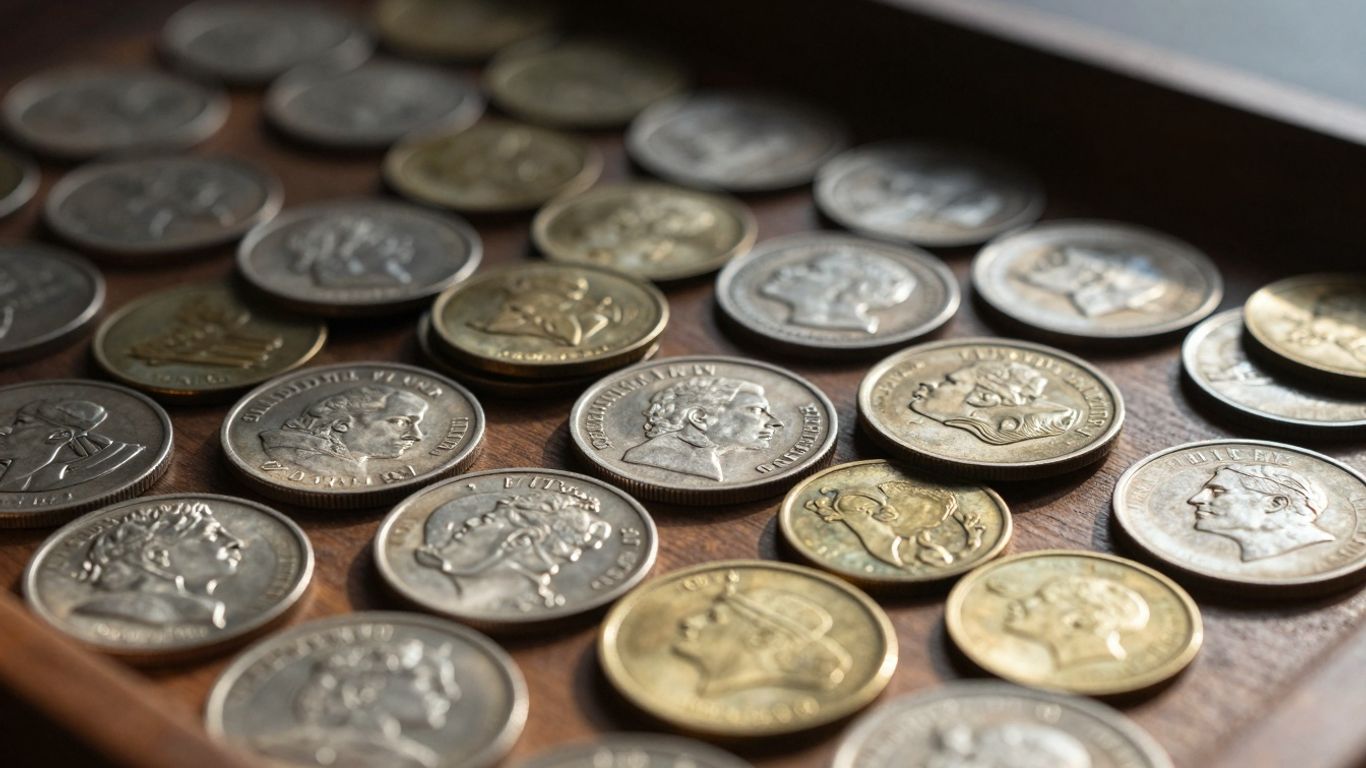
When you’re ready to sell your coin lots, there are a few important things to keep in mind to make sure the deal goes smoothly and you get a fair shake. It’s not just about handing over your coins and getting cash; there’s a bit more to it than that.
Understanding Buyer Motivations
Different buyers look for different things. A private collector might be hunting for a specific coin to finish a set, and they could be willing to pay a bit more because they really want that piece. On the other hand, dealers are in the business to make money. They buy coins to resell, so they need to factor in their profit margin. This means they’ll usually offer less than what they plan to sell it for. Knowing this helps you understand their offers.
- Private Collectors: Often seek specific items, may pay closer to retail, can be harder to locate.
- Dealers: Offer convenience and quicker sales, provide a consistent market, but typically at a lower price point.
- Auction Houses: Can reach a wide audience, but take commissions and fees, and sales can take time.
Protecting Yourself From Fraud
It’s a good idea to be aware of potential scams. Always do your homework on the buyer. Check their reputation, ask for references if possible, and never feel pressured into a sale. If something feels off, it probably is. Trust your gut feeling.
Be cautious of buyers who seem too eager, pressure you for an immediate decision, or ask for upfront payment for services related to the sale. Legitimate buyers are usually transparent and patient.
Ensuring Secure Payment Methods
How you get paid is just as important as the price you agree on. For larger transactions, avoid cash if you’re uncomfortable or if it feels risky. Consider methods that offer some protection for both parties, like cashier’s checks or secure escrow services, especially for high-value lots. For smaller sales, cash or a direct bank transfer might be fine, but always confirm the funds have cleared before handing over the coins.
- Cash: Best for smaller, in-person transactions. Always meet in a safe, public place.
- Cashier’s Check: Generally reliable, but verify its authenticity with the issuing bank.
- Escrow Service: Offers security for both buyer and seller, especially for significant amounts. Both parties deposit funds/items, and the service releases them upon agreement.
- Bank Transfer: Direct and fast, but confirm funds are fully received before releasing coins.
Wrapping Up Your Coin Sale in Tampa
So, you’ve got some old coins and you’re looking to sell them here in Tampa. It can feel a bit much trying to figure out where to start, right? We’ve gone over a few spots that might be interested, from the local coin shops to maybe even some online places if that’s your thing. Just remember, doing a little homework on your coins and knowing who you’re dealing with really makes a difference. It’s not always about getting the absolute highest price right away, but finding a fair deal with someone you feel good about. Good luck with your sales!
Frequently Asked Questions
What makes a coin valuable?
Several things make a coin valuable. The coin’s condition is super important – a coin that looks almost new is worth way more than one that’s worn out. Also, how rare the coin is matters a lot. Some specific types or years of coins were made in smaller numbers, making them harder to find and thus more valuable. Sometimes, a coin might have a special mistake or a unique feature that collectors really want.
Where can I sell my coin collection in Tampa?
Tampa has several places where you can sell your coins. You can visit local coin shops, which are businesses that specialize in buying and selling coins. Sometimes, there are coin shows or special events happening in Tampa where many dealers gather, giving you a chance to compare offers. It’s a good idea to check out a few different places to see who offers the best price.
How should I get my coins ready to sell?
Before selling, make sure your coins are stored safely to prevent any damage. Don’t try to clean them yourself, as this can actually lower their value. If you think your coin might be very rare or in amazing condition, you might want to get it officially graded by a professional company. Also, having a list or some notes about your collection can be helpful when you talk to buyers.
How can I get the most money for my coins?
To get the best price, be patient. It might take time to find the right buyer who really wants your specific coin. Sometimes, selling through a dealer on consignment, where they sell it for you and take a small fee, can get you closer to the retail price than selling directly to a dealer who needs to make a profit.
What are the most common types of coins people sell?
The Capped Bust series includes several types of coins. Some of the most common ones you might find and sell are Capped Bust Half Dollars, which are larger silver coins. You might also come across Capped Bust Dimes and Capped Bust Quarters, which are also silver coins from that era. Knowing which type you have helps in figuring out its potential value.
How do I know the condition of my coin?
Figuring out your coin’s condition involves looking closely at its surface. You’ll want to check for wear on the highest points of the design, like the hair or the eagle’s feathers. Also, note any scratches, nicks, or signs of cleaning. Coin collectors and dealers use specific terms to describe these conditions, from ‘Mint State’ (like new) to ‘Good’ (very worn).
Should I clean my coins before selling them?
Definitely not! Cleaning coins is one of the worst things you can do before selling. Even a gentle wipe can remove the original surface, called patina, which collectors often value. A cleaned coin, especially a valuable one, can lose a significant portion of its worth. It’s best to leave them as they are.
What's the difference between selling to a collector and a dealer?
When you sell to a collector, they’re often buying the coin to add to their personal collection, so they might pay closer to what it’s worth on the market. Dealers buy coins to resell them, so they need to buy at a price that allows them to make a profit. This means dealers usually offer less than what a collector might pay, but they offer convenience and can often buy many coins at once.