So, you’ve found yourself with a coin collection that belonged to someone you knew. Maybe it was a grandparent, an aunt, or an uncle. Whatever the case, you’re now in Tampa and wondering what to do with it all. It’s not always clear where to start, especially with something as specific as coins. This guide is here to help you figure out the value of your coin inheritance tampa and what your next steps might be. We’ll break down the process so it feels less daunting.
Key Takeaways
- When you inherit coins in Tampa, start by understanding the basics of your collection and what makes coins valuable.
- Get a professional appraisal to know the true worth of your inherited coins in the current market.
- Choose a coin appraiser carefully, looking for someone with good credentials and experience with coins like yours.
- Keep good records of your coins and their appraisals for insurance and future decisions.
- Think about taxes, selling, or keeping the coins after you know their value.
Understanding Your Coin Inheritance in Tampa
Initial Steps for Inherited Coin Collections
So, you’ve inherited a coin collection here in Tampa. That’s pretty interesting! The first thing to do is just take a breath and get a general sense of what you’ve got. Don’t rush into anything. Try to locate any paperwork that came with the collection – maybe there are old receipts, previous appraisals, or even just notes from the person who owned them before. This stuff can be surprisingly helpful.
- Locate all existing documentation: Look for any lists, notes, or previous appraisal reports.
- Secure the collection: Make sure the coins are stored safely and aren’t being exposed to damaging elements like humidity or direct sunlight.
- Resist immediate sales: It’s tempting to sell quickly, but understanding what you have first is key.
Key Considerations for Coin Heirs
Inheriting coins isn’t quite like inheriting stocks or real estate. Each coin has its own story and its own market. You’ll need to think about a few things:
- What kind of coins are they? Are they common circulation coins, or are they rare, old pieces? This makes a big difference in value.
- What’s their condition? Even a rare coin can lose value if it’s damaged or heavily worn.
- Who else might be interested? Are there other family members who might want a piece of the collection?
The value of coins isn’t just about the metal they’re made of. It’s a mix of rarity, condition, historical significance, and what collectors are willing to pay right now. It’s a bit of a puzzle.
Navigating Tampa's Numismatic Landscape
Tampa has a local scene for coin collectors and dealers. Knowing this can be a big help. You might find local coin clubs or dealers who can offer insights. Finding someone knowledgeable in the Tampa area can make the process of figuring out your collection much smoother.
- Local Coin Shows: Keep an eye out for coin shows happening in and around Tampa. These are great places to see what’s out there and talk to people.
- Numismatic Societies: Check if there are any local coin collecting groups. Members often share information and can point you toward reputable dealers or appraisers.
- Reputable Dealers: If you decide to sell, look for dealers who are members of professional organizations like the American Numismatic Association (ANA).
Valuation Strategies for Inherited Coins
So, you’ve inherited a coin collection in Tampa, and now you’re wondering what it’s all worth. It’s not as simple as just looking up the metal price, though that’s part of it. There’s a whole process to figuring out the real value, and it’s good to know what goes into it.
The Comprehensive Coin Appraisal Roadmap
Getting a solid handle on your collection’s worth involves a few key stages. Think of it like a roadmap – you need to know where you’re going and the steps to get there. This isn’t just about a quick glance; it’s about a thorough look.
- Initial Assessment: First, you’ll want to get a general idea of what you have. This means sorting through the coins, noting down any obvious details like dates, mint marks, and any special features you can see.
- Condition Grading: This is a big one. How well has the coin been preserved? Are there scratches, nicks, or wear? This is where professional grading really comes into play, using scales like the Sheldon Scale (from 1 to 70).
- Rarity and Demand Analysis: How many of these coins were made? Are they common or hard to find? And importantly, are people actively looking to buy them right now? This balance of supply and demand is huge.
- Market Research: What have similar coins sold for recently? This involves looking at auction records and dealer sales. It’s about finding comparable sales to get a realistic price.
Understanding that a coin’s value isn’t just about the metal it’s made from is key. While gold and silver have their own price, a rare coin in great shape can be worth far more than its metal content alone. Conversely, a common coin made of precious metal might not fetch much above its melt value.
Essential Steps for Coin Appraisal
When you’re ready to get down to business with the appraisal, there are specific actions to take. It’s about being methodical and gathering the right information.
- Inventory Your Collection: Make a detailed list of every coin. Include the date, denomination, mint mark (if visible), and any unique characteristics you notice. Photos can be helpful here too.
- Research Basic Details: Do a little digging on your own. Look up the coin’s year, what it was made for, and if there are any known varieties or errors. This preliminary research can save time later.
- Understand Grading Factors: Familiarize yourself with what makes a coin
Selecting a Qualified Coin Appraiser in Tampa
Finding the right person to appraise your inherited coins in Tampa is a big deal. You want someone who really knows their stuff, not just a general antique dealer. This isn’t like valuing old furniture; coins have their own complex world of grading, rarity, and market trends. Picking the wrong appraiser could mean leaving money on the table or getting a valuation that’s way off base.
Key Criteria for Choosing a Coin Appraiser
When you’re looking for an appraiser, keep these points in mind. It’s about finding someone trustworthy and knowledgeable.
- Credentials and Certification: Look for appraisers who are certified by recognized numismatic organizations. This shows they’ve met certain standards and have a commitment to the field. Think of it like a doctor having a medical license – it means something.
- Specialized Experience: Does the appraiser have a history with the types of coins you’ve inherited? If you have ancient Roman coins, you need someone who knows those, not just someone who’s good with modern US currency. A specialist will understand the nuances that affect value.
- Professional Reputation: What do other collectors and dealers say about them? Check online reviews, ask around in local coin clubs if you can, or see if they have references you can contact. A good reputation is usually earned over time.
- Clear Fee Structure: Before you agree to anything, make sure you understand how they charge. Is it an hourly rate, a flat fee per coin, or a percentage of the appraised value? Get it all in writing to avoid surprises later.
The goal is to find a professional who can accurately assess your collection’s worth, considering everything from its condition and rarity to its historical significance and current market demand. This detailed evaluation is the foundation for making smart decisions about your inherited assets.
Credentials and Certification for Appraisers
Certifications are important because they indicate a level of training and adherence to professional standards. Organizations like the American Numismatic Association (ANA) or the Professional Numismatists Guild (PNG) have their own requirements for members, which often include ethical conduct and a certain level of experience. While not every great appraiser is certified, certification provides an extra layer of confidence. It suggests they’ve invested in their education and are serious about their profession. Always ask what certifications they hold and what they mean.
Specialized Experience in Numismatics
Numismatics is the study or collection of coins, paper money, and medals. It’s a broad field. Some appraisers might be generalists, while others focus on specific areas. For instance, one might be an expert in U.S. colonial coinage, while another excels in world gold coins. If your inheritance includes a diverse collection, you might need an appraiser with broad knowledge, or perhaps a team of specialists. Understanding their specific areas of focus will help you determine if they’re the right fit for your particular collection. Don’t be afraid to ask them directly about their experience with coins similar to yours.
The Coin Appraisal Process Explained
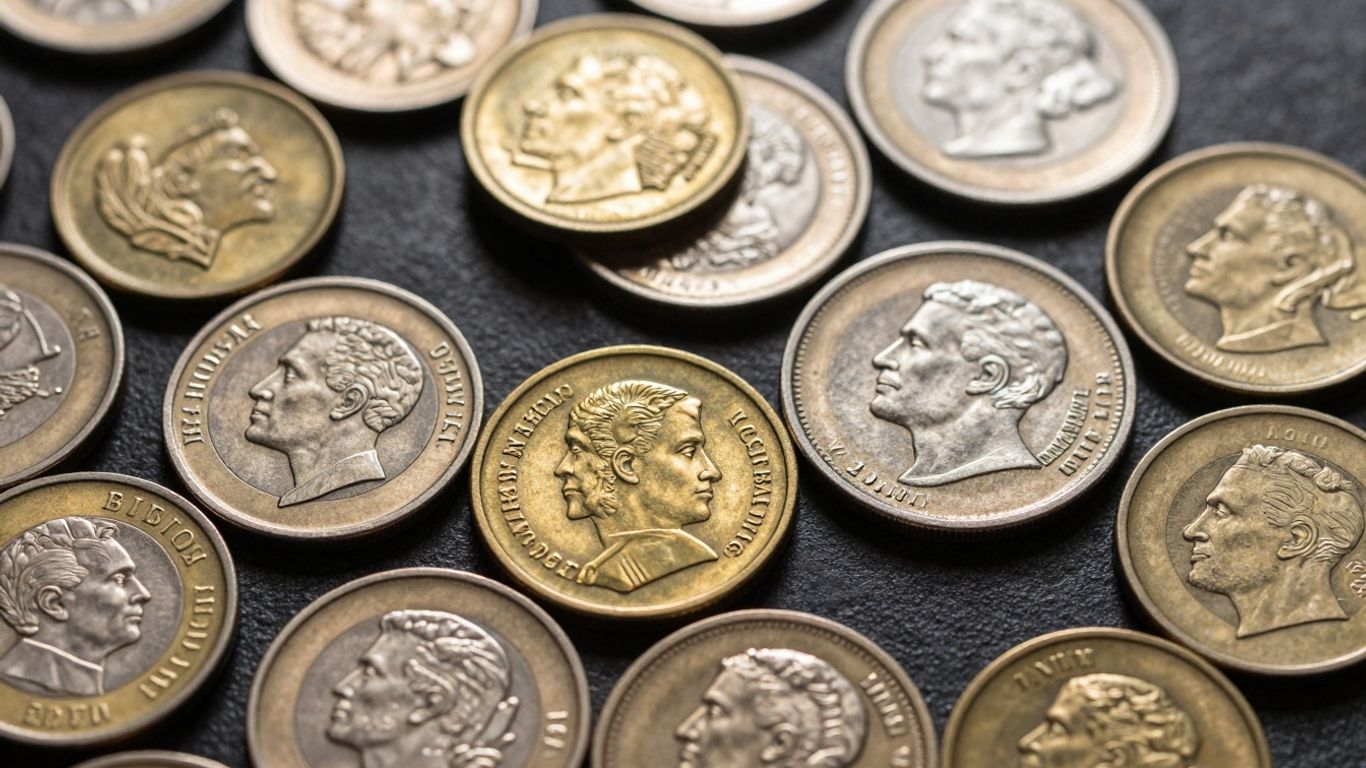
So, you’ve inherited a coin collection and now you’re wondering how to figure out what it’s actually worth. It’s not as simple as just looking up prices online, though that’s a start. A proper appraisal is a detailed look at each coin, and it involves a few key steps. This process helps turn a pile of old coins into a clear picture of their monetary and historical significance.
Comprehensive Appraisal Methodology
When an appraiser looks at your coins, they’re not just glancing at them. They’re using a structured approach. Think of it like a doctor examining a patient – there’s a system to it. They’ll check the coin’s condition, its rarity, and what similar coins have sold for recently. This isn’t guesswork; it’s about gathering data.
Here’s a general idea of how they break it down:
- Identification: What exactly is the coin? This includes the date, mint mark, and denomination.
- Grading: How well has the coin been preserved? This is a big one, using standardized scales.
- Market Research: What are collectors paying for coins like this right now?
- Condition Assessment: Looking for wear, damage, or any unique features.
Assessing Coin Condition Comprehensively
This is where the nitty-gritty happens. The condition, or grade, of a coin can change its value dramatically. An appraiser will look at things like:
- Luster: Does it still have that original shine?
- Strike: How clear are the details from when it was made?
- Surface Preservation: Are there scratches, nicks, or other marks?
- Wear: How much has the coin worn down from circulation?
They use specific tools and a trained eye to spot even minor imperfections. For example, a coin that looks pretty good to you might have microscopic scratches that an expert can see, affecting its grade. This detailed examination is why getting a professional estate coin appraisal is so important.
Identifying Unique Value-Adding Characteristics
Sometimes, a coin has something extra that makes it stand out. This could be a rare mint error, a special historical connection, or even just an unusually attractive appearance for its type. Appraisers are trained to spot these anomalies. They’ll consider:
- Rarity: How many of these coins were made, and how many still exist?
- Errors: Did something go wrong during the minting process that makes it unique?
- Provenance: Do you have any history or documentation about where the coin came from?
Understanding these unique traits is what separates a basic valuation from a truly insightful appraisal. It’s about recognizing the story and the special circumstances that might make your coin more desirable to collectors than a standard example.
These characteristics, combined with the grading and market research, all feed into the final valuation. It’s a thorough process designed to give you the most accurate picture of your inherited collection’s worth.
Documentation and Record-Keeping for Your Collection
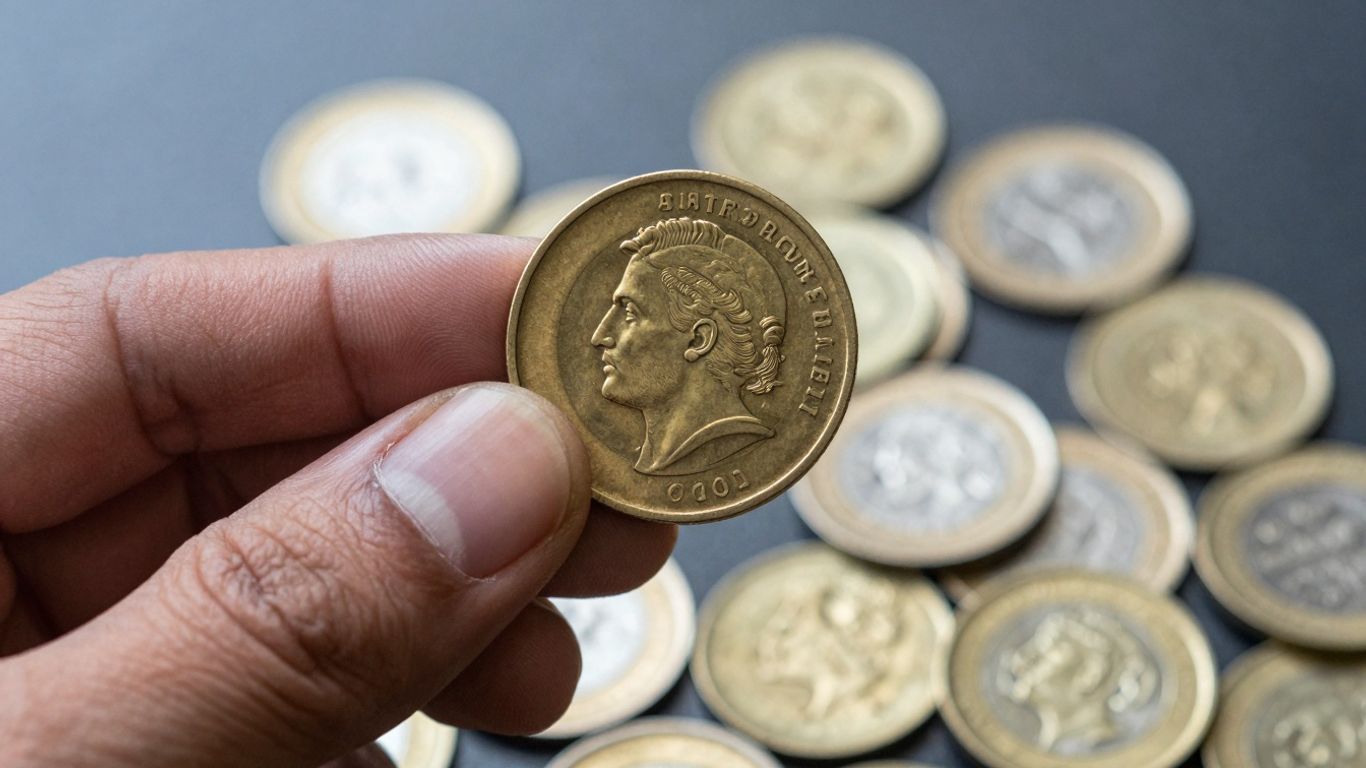
Keeping good records for your inherited coins is super important. It’s not the most exciting part, I know, but trust me, future you will thank you. Think of it like keeping a diary for your coins. This helps you know what you have, what it’s worth, and makes things way easier if you ever need to sell them or, heaven forbid, deal with insurance.
Detailed Documentation Requirements
When you’re documenting your collection, you want to be pretty thorough. It’s not just about listing the coins; it’s about capturing all the details that make them unique and valuable. This means going beyond just the basic information.
- Coin Identification: This includes the coin’s type (e.g., Morgan Dollar, Lincoln Cent), the year it was minted, and the mint mark (like ‘S’ for San Francisco or ‘D’ for Denver). If there are any special varieties or errors, note those down too.
- Condition Assessment: How good is the coin’s condition? Use a standard grading system if you can, or at least describe its state. Is it worn? Does it have scratches? Is the shine still there? This is a big factor in value.
- Acquisition Details: Where did the coin come from? When was it acquired? What was the purchase price, if known? This history can add to its story and perceived value.
- Photographic Evidence: Take clear, well-lit photos of both the front (obverse) and back (reverse) of each coin. High-quality images are a must for any serious record-keeping.
Maintaining Records for Insurance Purposes
If your coin collection is worth a significant amount, you’ll definitely want to look into getting it insured. And guess what? Insurance companies aren’t just going to take your word for it. They’ll want proof of what you own and what it’s worth. This is where your detailed documentation comes in handy.
- Inventory List: A clear, itemized list of every coin in your collection. This should include all the details mentioned above.
- Appraisal Reports: Keep copies of any professional appraisal reports. These are official documents that state the estimated value of your coins.
- Proof of Ownership: Receipts, canceled checks, or even old auction catalogs showing where and when you bought certain pieces can help establish ownership.
- Updated Valuations: Coin values change. It’s a good idea to get your collection re-appraised every few years, especially if it’s a large or valuable one, and keep those updated reports with your insurance information.
Proper storage is key to preserving your coins. Always handle them with cotton gloves to avoid transferring oils from your skin, which can damage the metal over time. Store them in a cool, dry place, away from direct sunlight and humidity. Using acid-free holders is also a good practice to protect the coins from environmental damage. Handling coins requires care.
Creating a Historical Record of Your Collection
Beyond just the monetary value, your coin collection has a history. Documenting this history can be fascinating and adds another layer of richness to your inheritance. It’s about telling the story of the collection and the coins within it.
- Provenance: If you know the previous owners or significant events associated with certain coins, record them. This is called provenance, and for rare or historically important coins, it can significantly increase their desirability and value.
- Research Notes: Jot down any interesting facts you discover about specific coins, their minting, or their historical context. Did a coin play a role in a particular event? Was it part of a famous collection? These details matter.
- Timeline: You could even create a timeline of your collection, noting when significant pieces were added or when major events related to the collection occurred. This helps paint a picture of the collection’s evolution over time.
Market Dynamics and Coin Investment
So, you’ve got this coin collection, and now you’re wondering how it all fits into the bigger picture, right? It’s not just about how many coins you have or how old they are. The value of these numismatic treasures can really swing based on what’s happening in the world and what collectors are into at any given moment. It’s kind of like the stock market, but with more history and, you know, actual metal.
Analyzing Demand Influencers
What makes people want a particular coin? It’s a mix of things. Rarity is a big one, obviously. If there are only a handful of a certain coin out there, it’s going to be worth more than something everyone and their uncle has. Then there’s the condition – a coin that looks like it just came from the mint is going to fetch a lot more than one that’s been tossed around. Historical significance plays a part too; coins tied to major events or famous people often have a special appeal. And don’t forget the metal content. If your coins are made of gold or silver, their value is also tied to the fluctuating prices of those commodities. It’s a whole ecosystem.
- Rarity: Limited mintages and unique errors drive up desirability.
- Condition: Higher grades (like Mint State) mean higher market value.
- Historical Significance: Coins linked to important events or figures often gain extra appeal.
- Metal Content: The intrinsic value of gold, silver, or platinum provides a baseline.
Ongoing Market Monitoring
Keeping tabs on the coin market isn’t a one-and-done deal. You’ve got to stay in the loop. This means watching economic trends – when the economy is doing well, people often have more disposable income for hobbies like coin collecting. Collector sentiment is another factor; sometimes a particular series or type of coin just becomes super popular for a while. You might even see shifts based on cultural trends or global events. Staying informed helps you understand if now is a good time to sell or if you should hold on for a bit longer. It’s wise to check out resources that track auction results and industry news. For instance, companies like LM Funding report their holdings, giving a glimpse into how certain assets are valued in the market.
The numismatic market is a living thing, constantly reacting to external forces and internal collector passions. Understanding these shifts is key to making smart decisions about your collection.
Strategic Investment Considerations
Thinking of your coin collection as an investment means being strategic. It’s not just about buying and holding; it’s about making informed choices. This involves understanding the costs associated with buying and selling, like appraisal fees, auction house commissions, or dealer markups. You need to calculate potential returns realistically. Building a well-documented collection, perhaps with the help of professional appraisals, can also mitigate risks and make your collection more attractive to future buyers or insurers. It’s about looking at the long game and making sure your collection is positioned to grow in value over time.
Preserving and Protecting Your Inherited Coins
So, you’ve got this coin collection now, and it’s not just a bunch of old metal. These coins can actually be worth something, and you want to keep them that way, right? It’s like having a little piece of history in your hands, and you don’t want it to get damaged or lose its shine. Taking good care of your coins is just as important as knowing what they’re worth.
Preservation and Protection Strategies
Think of this as the overall game plan for keeping your coins safe and sound. It’s not just about shoving them in a drawer. You need a bit of a system. This involves a few key areas:
- Proper Storage: This is huge. You can’t just leave them exposed. We’ll get into the nitty-gritty of holders and environments in a bit, but the main idea is to keep them protected from the elements and from accidental damage.
- Insurance: What happens if, heaven forbid, there’s a fire or a flood, or even a theft? Insurance is your safety net. It means if something bad happens, you can get compensated for the value of your collection.
- Record Keeping: This ties into insurance and also helps you track what you have. Having a detailed list, maybe even photos, makes everything much easier if you ever need to make a claim or decide to sell.
Keeping your coins in good condition isn’t just about aesthetics; it directly impacts their market value. A coin that’s been scratched, tarnished, or mishandled will fetch a lower price than one that’s been carefully preserved. Think of it as maintaining the condition of a classic car – it makes a big difference.
Proper Storage Techniques for Coins
Alright, let’s talk about how to actually store these things. You don’t want to use just any old container. The wrong materials can actually harm your coins over time.
- Holders: These are your coins’ first line of defense. You’ve got options like Mylar flips (make sure they’re archival quality, meaning acid-free), inert plastic capsules, or even custom-made display cases. Avoid PVC (polyvinyl chloride) holders at all costs – they can leach chemicals and damage the coin’s surface.
- Environment: Where you keep the coins matters. They like it cool and dry. High humidity is a coin’s enemy, leading to toning or even corrosion. Direct sunlight can also cause damage and fade any color on certain coins. So, a stable, climate-controlled environment is best. Think a closet in your main house, not a damp garage or attic.
- Handling: Try not to touch the coin’s surface directly. Oils from your fingers can leave marks that are hard to remove and can affect the coin’s grade. Use cotton gloves or hold the coin by its edges. It sounds fussy, but it’s important for preserving that minty-fresh look.
Securing Comprehensive Insurance Coverage
Now, about that insurance. Your standard homeowner’s policy might not cut it for a valuable coin collection. They often have limits on collectibles, and you might need a separate policy or an add-on rider.
- Specialized Collectibles Insurance: Many insurance companies offer policies specifically for items like coins, stamps, or art. These are usually more tailored to the risks involved with valuable collections.
- Accurate Valuation: This is where that appraisal we talked about earlier comes in handy. You need to insure your collection for its actual worth, not just what you think it’s worth. Keep those appraisal reports updated.
- Documentation is Key: When you get insurance, they’ll want proof of what you own. This means having that detailed inventory list, photos, and receipts. If you ever have to file a claim, this documentation will be your best friend. It helps the insurance company verify your loss and process your claim efficiently.
Navigating Tax Implications of Coin Inheritance
Inheriting a coin collection, especially one with significant value, can bring up some tax questions. It’s not always straightforward, and understanding the rules can save you a lot of headaches down the line. The good news is that generally, you don’t pay income tax on the inheritance itself when you first receive it. However, taxes can come into play when you decide to sell or if the collection is part of a larger estate that exceeds certain thresholds.
Understanding Estate Taxes for Inherited Assets
When someone passes away, their total assets are tallied up. If this total value goes over a certain amount, the estate might owe federal estate tax. For 2025, this exemption is quite high, meaning most estates won’t hit this mark. However, if your loved one’s estate, including the coin collection, does exceed this limit, the portion above the exemption is taxed. The rates can be pretty steep, starting at 18% and going up to 40%. It’s important to know the total value of the estate to see if this applies.
Consult a Tax Professional for Guidance
This is where things can get complicated, and honestly, trying to figure it all out yourself is a bad idea. Talking to a tax professional who knows about estate and collectibles is a really smart move. They can look at the whole picture – the value of the coins, the rest of the estate, and any debts – and tell you exactly what you need to know. They can help you understand:
- If any estate tax is due.
- How to properly report the coins on tax forms.
- Strategies to potentially reduce tax burdens, especially if you plan to sell.
- State-specific tax laws, which can differ quite a bit from federal rules.
The "step-up in basis" is a key concept here. When you inherit an asset like coins, their cost basis for tax purposes is usually reset to their fair market value at the time of inheritance. This means if you later sell them for more than that inherited value, you’ll only pay capital gains tax on the profit made after you inherited them, not on the entire sale price. A tax pro can explain how this applies to your specific situation.
Tax Planning Benefits of Coin Appraisals
Getting a professional appraisal for your inherited coin collection isn’t just about knowing what the coins are worth for selling. It’s also a vital part of tax planning. A detailed appraisal report serves as official documentation of the collection’s value at the time of inheritance. This is super important for:
- Establishing the "step-up in basis": As mentioned, this appraisal value becomes your new cost basis, potentially saving you a lot on future capital gains taxes if you sell.
- Estate Tax Calculations: If the estate is large enough to be subject to estate tax, the appraisal provides the IRS with a documented value for that portion of the assets.
- Donations: If you ever decide to donate some or all of the coins to a qualified charity, a formal appraisal is required to claim a tax deduction. The appraisal report provides the necessary proof of value for the IRS.
Basically, a good appraisal gives you solid proof of value, which is gold (or silver, in this case) when it comes to tax matters.
Next Steps After Valuing Your Coin Collection
So, you’ve gone through the whole process, gotten your inherited coins appraised, and now you have a solid number for their worth. What’s next? It’s not just about knowing the value; it’s about deciding what to do with that information. This is where you start making some real choices about your collection.
Making Informed Selling Decisions
Selling your coins might be the most straightforward path, especially if you need the funds or simply don’t want the responsibility of managing a collection. But don’t just rush to the first buyer you find. Think about who you’re selling to and how you’re selling.
- Direct Sale to a Dealer: This is often the quickest way to get cash. Dealers know the market and can make an offer on the spot. However, expect them to offer less than retail value because they need to make a profit themselves.
- Auction Houses: For rarer or more valuable coins, an auction can sometimes fetch a higher price. You’ll need to research auction houses that specialize in numismatics and understand their fees and timelines. It can take time, and there’s no guarantee of the final price.
- Private Sale: Selling directly to another collector can sometimes yield a better price than selling to a dealer, but it requires more effort on your part to find a buyer and negotiate terms.
Before you sell anything, always compare offers from multiple sources.
Considering Long-Term Holding Strategies
Maybe selling isn’t the right move for you right now. Perhaps the coins have sentimental value, or you believe their worth will increase over time. Holding onto them is a perfectly valid strategy, but it comes with its own set of considerations.
- Storage and Security: Proper storage is key. You’ll want to keep them in a stable environment, away from humidity and extreme temperatures. Think about secure storage solutions, perhaps even a safe deposit box for particularly valuable items.
- Insurance: If you decide to hold onto the collection, getting it insured is a smart move. The appraisal report you received is your starting point for determining the coverage amount. This protects you against theft, damage, or loss.
- Continued Monitoring: Even if you’re not actively buying or selling, keeping an eye on the market is a good idea. Trends can change, and knowing this will help you make better decisions down the line if you ever do decide to sell.
Holding onto a coin collection means taking on the role of a custodian. It requires a commitment to preservation and an awareness of the market, even if your primary goal isn’t immediate profit. Think of it as managing a long-term asset.
Leveraging Appraisals for Future Transactions
That appraisal report is more than just a piece of paper; it’s a tool. It provides objective data that can be incredibly useful, whether you’re selling, holding, or even donating.
- Negotiation Power: When selling, having a professional appraisal gives you a solid basis for negotiation. You know the approximate market value, which helps you avoid accepting lowball offers.
- Tax Purposes: If you decide to donate your collection to a museum or charity, the appraisal will be necessary for claiming a tax deduction. Be sure to consult with a tax professional on the specific requirements.
- Estate Planning: If you plan to pass the collection on to heirs in the future, having a recent appraisal makes the estate settlement process much smoother for them. It provides a clear starting point for valuation.
Wrapping Things Up
So, you’ve inherited some coins here in Tampa. It might seem like a lot to figure out at first, with all the grading, market value, and what to do next. But remember, taking the time to get a proper appraisal is the first big step. It gives you a clear picture of what you have. From there, you can decide if you want to hold onto them, sell them, or maybe even add to the collection. Don’t feel rushed; take it one step at a time. Getting professional advice, whether it’s from an appraiser or a financial advisor, can make all the difference in making smart choices for your inherited treasure.
Frequently Asked Questions
What's the first thing I should do when I inherit coins in Tampa?
The very first step is to take a deep breath and try to get a general idea of what you have. Don’t rush to sell anything! It’s smart to make a list of the coins, noting any details you can see, like the year, any letters or numbers, and what they look like. This initial list will be super helpful later on.
How do I figure out how much my inherited coins are worth?
To find out what your coins are worth, you’ll need to get them appraised. This means finding an expert who knows a lot about coins. They’ll look at things like how old the coin is, how rare it is, and its condition – like if it’s scratched or worn out. They’ll compare it to coins that have recently sold to get a good idea of its current market value.
Do I really need a professional appraiser for my coins?
Yes, it’s highly recommended! A professional appraiser has the knowledge and tools to accurately assess your coins. They know about grading systems, historical value, and what collectors are actually paying for similar coins right now. This helps you get a fair price if you decide to sell and is important for insurance too.
What makes a coin appraiser in Tampa trustworthy?
Look for appraisers who are certified by well-known numismatic (coin collecting) organizations. They should have a good reputation, lots of experience, and ideally, specialize in the types of coins you have. Asking for references or checking reviews can also give you a good sense of their reliability.
What information will I get from a coin appraisal?
A good appraisal report will include detailed descriptions of each coin, clear photos, and the estimated market value. It’s like a detailed report card for your collection. This documentation is super important for insurance, selling, or just keeping track of your inheritance.
Should I worry about taxes on inherited coins?
It’s possible, especially if the collection is very valuable. While you usually don’t pay taxes just for inheriting something, you might have to pay taxes if you sell the coins later and make a profit. It’s a really good idea to talk to a tax professional who understands estate matters to figure out any tax implications.
How should I store my inherited coins to keep them safe?
Proper storage is key! Keep coins in protective holders, like individual plastic sleeves or albums designed for coins. Store them in a cool, dry place away from sunlight and humidity, which can damage them. Avoid touching the coin’s surface directly, as oils from your skin can cause harm over time.
What are my options after my coins are appraised?
Once you know the value, you have choices. You could sell them, perhaps to a dealer, at an auction, or directly to collectors. You might also decide to keep them as an investment for the future, or even donate them for a tax deduction. The appraisal helps you make the best decision for your situation.