So, you’re looking at coins and wondering what makes one stand out over another? It’s not just about the date or the mint mark. There’s this whole thing called ‘eye appeal’ that collectors really go for. It’s kind of like how some people just have a knack for making things look good, coins have it too. We’re going to break down what goes into making a coin look great, and why it matters so much to people who collect them. It’s not always straightforward, and sometimes what one person loves, another might pass on. Let’s figure out these coin eye appeal factors.
Key Takeaways
- Eye appeal is subjective; what looks good to one collector might not to another, with preferences ranging from frosty white coins to original toning.
- Key factors influencing a coin’s eye appeal include its luster, how well it was struck, and the condition of its surface, free from distracting marks.
- Original toning can significantly impact eye appeal, with preferences varying for even, colorful patterns versus splotchy or undesirable discoloration.
- Grading services like PCGS and NGC have specific standards and designations (like Plus or Star) to recognize exceptional coin eye appeal, which can influence the final grade.
- Understanding coin eye appeal factors is becoming increasingly important, as the market shows a strong preference for high-quality, attractive coins, often commanding higher prices regardless of rarity.
Understanding Coin Eye Appeal Factors
The Subjectivity of Attractiveness
Let’s be honest, figuring out what makes a coin look good can be tricky. What one person finds stunning, another might just think is okay. It’s a bit like art, really. Some folks love a coin that’s bright and shiny, almost like it just came off the minting press. Others prefer coins with a bit of natural color, or toning, that has developed over time. This personal preference is a big part of what we call ‘eye appeal’. It’s not something you can easily measure with a ruler or a scale, but it definitely impacts how much a coin is desired.
Defining Great Eye Appeal
So, what exactly is great eye appeal? It’s more than just the coin’s official grade. Think about the overall impression a coin makes when you first see it. Does it have a lively shine, or does it look dull? Are there any distracting marks or spots that jump out? For mint state and proof coins, key things graders look at include:
- Luster and Reflectivity: How well does the coin’s surface reflect light? Is it a vibrant, almost liquid-like shine, or is it muted?
- Quality of Strike: Were the details on the coin pressed deeply and clearly, or do some parts look a bit soft or weak?
- Surface Preservation: Are there many tiny scratches or marks, or does the surface look clean and smooth for its grade?
Even if a coin has a high technical grade, if it looks unappealing, it won’t get top marks for eye appeal.
Sometimes, a coin might have a great technical grade, meaning it meets all the criteria for a certain numerical score. However, if it has distracting spots, dullness, or unattractive toning, its overall desirability can drop significantly. This is where eye appeal really comes into play, influencing how collectors and graders perceive its true quality.
The Importance of Education
Because eye appeal is so personal, it’s really important for collectors to learn what to look for. You can’t just rely on the grade alone. Spending time looking at coins in auction catalogs or at dealer shops is a good start. You might even consider taking a class on coin grading. The more you see, the better you’ll get at spotting coins that not only have a good grade but also that special something that makes them stand out. Learning to recognize these qualities will help you make better collecting decisions in the long run.
Key Elements of Coin Eye Appeal
When you’re looking at coins, what makes one really stand out from another? It’s not just about the grade; it’s about that certain something that catches your eye. We’re talking about "eye appeal," and it’s a big deal for collectors. It’s a mix of things that make a coin look good, even before you get into the nitty-gritty of its condition. Think of it as the coin’s overall attractiveness.
Luster and Reflectivity
This is all about how the coin shines. For uncirculated coins, "luster" refers to the original mint shine. It can look frosty, satiny, or even have a cartwheel effect when you tilt it in the light. Proof coins, on the other hand, are all about "reflectivity." They’re struck multiple times to get a mirror-like finish, and the contrast between the frosted devices (the raised parts) and the mirrored fields (the flat background) is what collectors look for. A coin with vibrant, original luster or deep, clear reflectivity usually scores high on eye appeal.
Quality of Strike
A coin’s "strike" is how well the details were impressed onto the metal during minting. A strong strike means all the fine lines, hair, feathers, or lettering are sharp and well-defined. A weak strike can leave parts of the design looking mushy or incomplete. For many coins, especially older ones or those from specific mints, a sharp, full strike is a major plus. It shows the coin was made with care and that all the intended details are present and clear.
Surface Preservation and Marks
This is where we look at the coin’s surface. "Surface preservation" covers how clean and free from damage the coin is. This includes things like scratches, nicks, or other marks. Even a coin with a high technical grade can lose points if it’s covered in distracting marks. Collectors prefer coins with smooth, clean surfaces that show minimal signs of wear or mishandling. While some marks are expected, especially on circulated coins, excessive or deep marks can really hurt a coin’s overall look and value. Toning, which is the natural discoloration that can occur over time, also plays a role here, and we’ll get into that more later.
The Role of Toning in Eye Appeal
Original Toning Preferences
When we talk about coin collecting, toning is one of those things that can really make or break how a coin looks. It’s basically the natural discoloration that happens over time as a coin reacts with its environment. Some collectors absolutely love original toning, seeing it as a sign of authenticity and a unique character mark. Others? Not so much. They might prefer that bright, frosty look a coin has when it’s just been minted. It really comes down to personal taste, and what one person finds beautiful, another might find distracting.
Understanding Toning Grades
Grading services like PCGS and NGC have ways of looking at toning, even though it’s so subjective. They don’t assign a specific grade just for toning, but it definitely plays a part in the overall eye appeal, which can influence the final grade. PCGS, for instance, has a scale that goes from ‘Amazing’ all the way down to ‘Ugly’ when it comes to toning. This helps them categorize how attractive or unattractive the toning is on a coin.
Here’s a general idea of how toning can be viewed:
- Positive Toning: Often colorful, with blues, greens, reds, and golds that are evenly distributed or form pleasing patterns. This usually adds to the coin’s appeal.
- Neutral Toning: May be a bit duller or less vibrant, but it doesn’t detract significantly from the coin’s appearance.
- Negative Toning: This is where things get tricky. It can be splotchy, dark, or uneven, making the coin look less appealing. Deeply embedded toning or toning that looks like it came from something harmful is usually seen as negative.
Splotchy vs. Even Coloration
The way toning is spread across a coin’s surface makes a big difference. Evenly distributed toning, especially if it has a nice range of colors, is generally preferred. Think of a beautiful rainbow effect that flows across the coin. On the other hand, splotchy toning, where you have dark, concentrated patches or uneven splotches of color, is usually a turn-off for collectors and graders. It can make a coin look damaged or poorly handled, even if the underlying metal is in great shape. A coin with attractive, original toning can often command a higher price than a similar coin with no toning or unattractive toning.
Toning is a natural process, but its appearance can drastically alter a coin’s desirability. While some collectors seek out vibrant, original toning as a mark of authenticity and character, others prefer the pristine look of un-toned coins. The distribution and color of the toning are key factors in determining whether it enhances or detracts from a coin’s overall visual appeal and, consequently, its market value.
Grading Service Perspectives on Eye Appeal
PCGS Eye Appeal Standards
Professional Coin Grading Service (PCGS) has a structured approach to eye appeal, especially for coins grading MS/PR-60 and above. They consider it a fourth grading criterion. For coins in these higher grades, eye appeal isn’t just a nice-to-have; it’s a requirement that can influence the final grade. PCGS uses a scale to rate toning, ranging from ‘Amazing’ down to ‘Ugly.’ Splotchy or deeply embedded toning is generally viewed negatively. Similarly, for luster and reflectivity, they use a scale from ‘Amazing’ to ‘Negative.’
Here’s a look at their minimum eye appeal standards for higher Mint State/Proof grades:
| Grade | Minimum Eye Appeal Standard |
|---|---|
| MS/PR-68 | Must have positive eye appeal |
| MS/PR-67 | Must have above average eye appeal |
| MS/PR-66 | Cannot have below average eye appeal |
| MS/PR-65 | Cannot have negative eye appeal |
Coins with ‘Negative’ eye appeal can see their technical grade reduced, and it can prevent them from reaching a higher grade. For a coin to even be considered for a ‘Plus’ grade, it absolutely cannot display negative or below-average eye appeal for its assigned grade.
NGC Designations for Quality
Numismatic Guaranty Company (NGC) takes a slightly different tack. While they don’t have as many explicit categories for eye appeal as PCGS, their ‘Plus’ (+) and ‘Star’ (★) designations highlight coins with superior visual qualities. The ‘+’ designation is given to coins that are at the top end of their grade and show above-average eye appeal. It’s a way to signal that the coin is a strong candidate for the next grade up. The ‘★’ designation is reserved for coins with truly exceptional eye appeal for their grade. This could be due to vibrant toning, intense luster, or strong cameo contrast on proof coins. These designations help collectors identify coins that stand out from the crowd, even within the same numerical grade.
Impact on Final Grade
Both PCGS and NGC recognize that eye appeal significantly impacts a coin’s desirability and, consequently, its market value. While a coin might meet the technical requirements for a certain grade, poor eye appeal can hold it back. Conversely, exceptional eye appeal can push a coin to the higher end of its grade or even warrant a special designation. For instance, a coin with ‘Ugly’ eye appeal, as defined by PCGS, might have its technical grade reduced by up to two points, and in severe cases, could even be deemed ungradeable due to damage. NGC’s ‘+’ and ‘★’ designations directly signal that a coin possesses better-than-average or outstanding eye appeal, which collectors often translate into higher prices paid.
Ultimately, grading services aim to provide a consistent and objective system. However, they also acknowledge the subjective nature of beauty. Their systems for eye appeal, whether through detailed scales or special designations, are designed to guide collectors and dealers toward coins that are not just technically sound but also visually pleasing.
Distinguishing Technical Grade from Eye Appeal
Factors Comprising Technical Grade
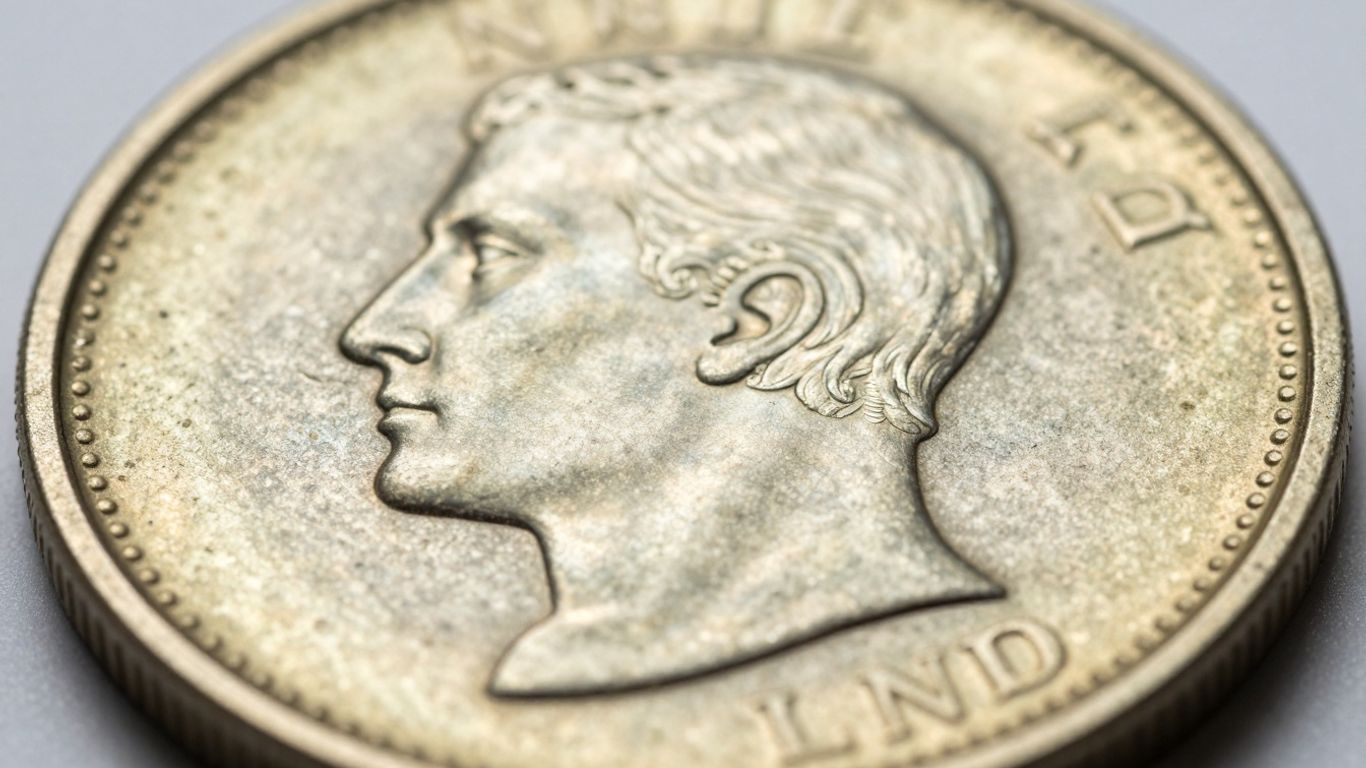
When we talk about a coin’s grade, it’s easy to get them mixed up. There’s the ‘technical grade,’ which is all about the nitty-gritty details of the coin’s physical condition, and then there’s ‘eye appeal,’ which is more about how pleasing it looks to you. For coins that aren’t heavily worn (think Mint State or Proof coins), the technical grade is usually based on three main things:
- Marks and Scratches: How many nicks, dings, or hairlines does it have, and how bad are they? This is a big one.
- Luster/Reflectivity: For regular coins, this is about that original mint shine. For Proof coins, it’s about how deep and mirror-like the surface is.
- Strike Quality: Did the mint press hit the coin hard enough and evenly? A weak strike means less detail shows up.
For coins that have seen some circulation, the technical grade focuses a bit differently:
- Wear: This is the most important factor for circulated coins. How much of the original detail has been worn away?
- Marks: Even circulated coins can have extra marks that are worse than you’d expect for their wear level.
- Luster/Color: For higher circulated grades, some original luster might still be there. For lower grades, the coin’s original color and overall originality play a role.
How Eye Appeal Modifies the Grade
So, you’ve got the technical grade figured out. Now, where does eye appeal fit in? Eye appeal is what can push a coin up or down from its technical grade, or sometimes, it just doesn’t make a difference. Think of the technical grade as the starting point. Eye appeal is like the seasoning – it can make the dish better, worse, or just about the same. For example, a coin might technically grade as MS-65 based on its marks and strike, but if it has amazing, vibrant toning and fantastic luster, a grading service might say it has "above average" eye appeal. This could potentially bump it up to a "plus" grade or simply make it a more desirable coin within that MS-65 category. On the flip side, a coin with a technically strong grade but dull surfaces, distracting spots, or ugly, splotchy toning might be considered to have "negative" eye appeal. This can prevent it from reaching its full potential grade or even lower its perceived value within its technical grade.
The Concept of 'Plus' Grades
Grading services like PCGS and NGC use ‘plus’ designations to show that a coin is at the very top of its grade, often because of its superior eye appeal. A coin that technically meets the requirements for, say, an MS-66 grade, but also has exceptional luster, vibrant color, or a very strong strike – basically, fantastic eye appeal for that grade – might be awarded an MS-66+ designation. It’s like saying, "This coin is a solid MS-66, but it’s one of the best ones you’ll find at this level." These ‘plus’ coins are often the ones that really catch a collector’s eye and can command a premium in the market. It’s a way for graders to acknowledge that not all coins within a specific numerical grade are created equal; some just look a whole lot better than others.
It’s important to remember that eye appeal is subjective, but grading services try to standardize it. They have specific criteria, like how vibrant toning is or how much original mint luster remains, to help them decide if a coin’s look is a positive or negative factor. This helps make the grading process more consistent, even though personal preference will always play a role for collectors.
Specific Considerations for Different Coin Types
When we talk about coin eye appeal, it’s not a one-size-fits-all situation. Different types of coins have their own unique standards and what collectors look for can really change.
Mint State vs. Proof Coin Standards
Mint State (MS) coins are basically uncirculated coins. Their appeal often comes down to how much original luster they have and how clean their surfaces are. Think of a bright, frosty MS coin with vibrant cartwheel effect – that’s usually a winner. Proof coins, on the other hand, are made specifically for collectors and have a different look. They’re known for their sharp details and mirror-like fields. For proofs, a deep, reflective mirror with strong contrast between the frosted devices and the background is key. A proof coin that looks dull or has a weak strike just won’t have the same wow factor, no matter how rare it is.
- Mint State: Focus on luster, surface preservation, and strike quality.
- Proof: Emphasis on mirror depth, contrast, and sharp strike.
- Toning: Original, attractive toning can be a huge plus for both, but it’s judged differently.
Eye Appeal in Circulated Coins
Grading circulated coins is a bit different. The main thing is wear. But even with wear, eye appeal still matters. A circulated coin that’s been cleaned, has heavy scratches, or is covered in dark, unsightly tarnish might be technically a certain grade, but it’s going to be hard to sell. Collectors often prefer circulated coins that still show some original color or luster, even if they have some wear. It’s about finding that balance between wear and overall pleasant appearance. A coin with a nice, even patina can be much more appealing than one that looks abused.
For circulated coins, the goal is often to find one that looks as good as possible for its grade, showing minimal distracting marks or cleaning, and retaining some of its original character.
Special Considerations for Gold and Copper
Gold coins have their own set of appeal factors. Their natural color can range from pale yellow to a deep orange, and this color can be a significant part of their attractiveness. Some collectors specifically seek out gold coins with vibrant, original toning, which can add a unique beauty. Copper coins, like Lincoln Cents or Indian Head Pennies, are notorious for developing spots or developing a dull, brown appearance if not cared for properly. The best copper coins often retain a reddish or "rose" color, indicating minimal environmental damage. Collectors often look for a rich, even color on copper coins, avoiding those with dark spots or a "cleaned" look. The current rare coin market trend really emphasizes these quality factors across all metal types. For copper, a coin that still has a hint of its original mint red is highly desirable. For gold, a coin with a pleasing, natural color and no distracting marks will always stand out. It’s about appreciating the metal itself and how it has aged.
The Current Market Trend Towards Quality
Obsession with Eye Appeal and Quality
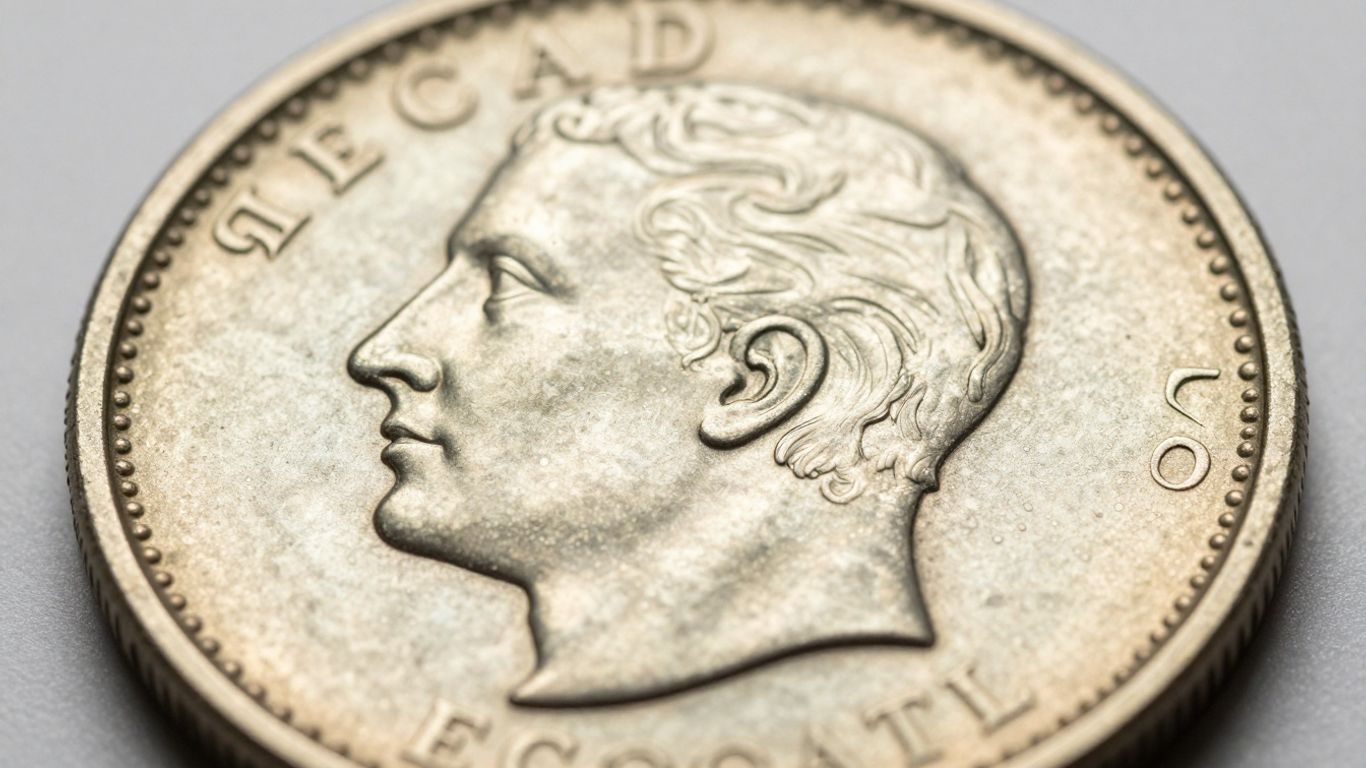
Lately, the coin market has really zeroed in on how good a coin looks. It’s not just about how rare it is anymore; people are paying a lot more attention to the actual appearance. You might have a coin that’s technically rare, but if it doesn’t have that certain something – good color, clean surfaces, a strong strike – it might just sit there. On the flip side, a coin with fantastic visual appeal, even if it’s not the absolute rarest thing out there, can generate a lot of excitement and move quickly. It seems like everyone is looking for that extra bit of visual pop.
Collector Discrimination vs. Investor Focus
It feels like collectors, the ones who really love coins, have gotten much pickier. They seem to understand the small details that make one coin better than another, even if they have the same official grade. Investors, on the other hand, sometimes seem more swayed by what’s popular or what big companies are pushing. They might not notice the subtle differences in eye appeal as much. This difference in focus means that coins with great looks often get more attention from serious collectors.
The Value of Attractive Coins
So, what does this mean for coin values? Well, coins that really stand out visually are commanding higher prices. Grading services have even created special designations to highlight these exceptionally attractive coins. For example, you might see a "Star" designation or a "Plus" grade added to a coin’s official grade, indicating it’s superior for its level. These premium coins are definitely in demand right now. However, it’s worth noting that sometimes the prices for these top-tier coins can get pretty high. While quality is important, it’s still possible to find great deals on coins that are attractive but maybe not considered "extraordinary" by everyone. It pays to keep an eye out for those hidden gems.
The coin market is always changing, and right now, the emphasis is clearly on visual quality. While rarity has always been a factor, the way a coin looks has become a major driver of demand and price. This trend means that understanding what makes a coin visually appealing is more important than ever for both collectors and investors.
Advanced Designations for Exceptional Coins
The NGC Star Designation
So, you’ve got a coin that just blows you away when you look at it? It’s got this incredible shine, or maybe the colors are just stunning. For coins that are proofs or have that proof-like finish, it might have this amazing contrast or surfaces that are just super reflective. Well, NGC has a special way of pointing these out: the Star Designation. It’s basically their way of saying this coin is way above average for its grade, visually speaking. It’s not just about the technical stuff; it’s about that ‘wow’ factor.
PCGS 'Amazing' Eye Appeal
PCGS has a similar idea, but they call it ‘Amazing’ eye appeal. Think of a coin that makes you stop and say, ‘Whoa, look at that!’ It could be the luster, the color, or if it’s a proof, the mirror-like surfaces and contrast. This isn’t just a little bit better; it’s a significant step up. They even suggest that ‘Amazing’ eye appeal can sometimes bump a coin’s technical grade up by a whole point. That’s a pretty big deal in the grading world.
Premium Quality for the Grade
When you combine these special designations, like an NGC Star or a PCGS ‘Amazing’ grade, with a high technical grade, you’re looking at what many collectors and investors are really chasing right now. These are the coins that stand out in a crowd, the ones that collectors are willing to pay a premium for because they’re just that much nicer. It’s like finding the best-looking apple in the whole basket – it just seems more desirable.
Here’s a quick look at how these designations can stack up:
| Designation Type | Description |
|---|---|
| Standard Grade | Meets the technical requirements for the assigned grade. |
| Plus Grade | Above average for the grade, but not quite the next level. |
| Star/Amazing Designation | Exceptional eye appeal, significantly better than average for the grade. |
| Combined (e.g., MS67+*) | Represents the pinnacle of quality for that specific numeric grade. |
It’s important to remember that while these designations highlight visual appeal, they don’t replace the core grading factors. A coin still needs to meet the technical standards for its grade. These designations are layered on top, recognizing that some coins are simply more attractive than others, even within the same technical grade.
Common Pitfalls Affecting Eye Appeal
Sometimes, even a coin that looks pretty good at first glance can have issues that really bring down its overall attractiveness. These aren’t always obvious, and they can catch collectors off guard. It’s like finding a small scratch on a brand new car – it doesn’t change the car’s make or model, but it definitely affects how you feel about it.
The Impact of Spots and Blemishes
Spots are a big one, especially on certain metals. For copper coins, you might see reddish-brown spots. Silver coins can develop those dreaded "milk spots," which are usually opaque white. Gold coins can also suffer from spotting. These aren’t just cosmetic; they’re often considered part of the coin’s grade and can lead to deductions. Even if a coin has a great strike and nice luster, prominent spots can make it look messy and less desirable. These blemishes can significantly impact a coin’s market value, even if its technical grade remains high.
Environmental Damage and Toning
Environmental damage is a broad category, but it often shows up as unusual toning or surface issues. While some original toning can be beautiful, damage-induced toning is usually not. Think of coins that have been stored improperly, exposed to moisture, or subjected to harsh chemicals. This can result in:
- Uneven or splotchy coloration: Instead of a pleasing, uniform tone, you get blotches of dark or discolored areas.
- Corrosion or pitting: This is more severe and can actually eat away at the coin’s surface.
- "Artificial" toning: Sometimes, people try to tone coins themselves, and it often looks unnatural and detracts from the coin’s appeal.
It’s important to distinguish between attractive, original toning and damage. The former can add to eye appeal, while the latter almost always subtracts from it. Understanding the difference is key to avoiding costly mistakes when building a collection, and resources like those discussing coin show risks can offer further insights.
Understanding Negative Eye Appeal
Negative eye appeal is the term used when a coin’s appearance is actively unpleasant, regardless of its technical grade. This can be caused by a combination of factors, such as:
- Extremely unattractive toning: Deeply embedded, splotchy, or overly dark toning that obscures details.
- Severe surface marks or hairlines: While marks are part of grading, excessive or distracting ones can create negative eye appeal.
- Dullness or lack of luster: Especially on Mint State coins where luster is expected, a complete absence of it can be a major detractor.
A coin with negative eye appeal can sometimes lead to a deduction of a full point from its technical grade. In severe cases, it might even prevent a coin from being graded at all, or at least from reaching a higher grade it might otherwise qualify for based on strike and preservation alone. It’s the visual equivalent of a jarring note in an otherwise pleasant melody.
These issues can make even a coin that technically meets the criteria for a certain grade look significantly worse, and collectors who prioritize aesthetics will often pass on such pieces, even if they are offered at a discount.
Developing Your Eye for Coin Appeal
So, you want to get better at spotting coins that just look good? It’s not something you’re born with, you know. It takes practice, like learning to spot a good deal at a flea market or figuring out which avocado is actually ripe. You gotta train your eyes.
Examining Auction Lots and Inventories
This is where the real learning happens. Spend time looking through online auction listings and dealer websites. Don’t just skim; really look at the pictures. Try to find coins that catch your attention, the ones that make you pause. Then, see what grade they got and what the description says. Did it get a high grade because it’s super shiny? Or maybe it has some cool color? Compare coins that are graded similarly but look different. What makes one stand out over the other?
- Look at lots of different coins, even ones you don’t collect.
- Pay attention to the descriptions – what words do they use to describe the coin’s look?
- Compare coins side-by-side whenever possible.
Attending Numismatic Classes
Sometimes, you just need someone to point things out. There are classes, both online and in person, that focus specifically on coin grading and eye appeal. Organizations like the American Numismatic Association (ANA) sometimes offer these. They often have instructors who can show you examples of coins with great eye appeal and, just as importantly, coins that fall short. It’s like having a guide who knows all the tricks.
Learning from Examples
This is kind of a catch-all, but it’s important. Look at coins in books, magazines, and reputable online resources. See what the experts say about why certain coins are considered attractive. You’ll start to notice patterns. Maybe you’ll see that coins with a certain kind of toning are often praised, or that a really sharp strike makes a big difference. It’s about building a mental library of what looks good.
The market is really starting to care a lot about how a coin looks, not just its technical grade. So, getting good at spotting that ‘wow’ factor is becoming more important if you want to get the best value for your money, or just build a really nice collection that you enjoy looking at.
Wrapping It Up
So, we’ve talked a lot about what makes a coin look good to collectors. It’s not just about the grade; things like color, shine, and how well the design is stamped all play a part. What one person finds stunning, another might just think is okay. It really comes down to personal taste, and that’s part of what makes collecting fun. Keep looking at coins, learn what catches your eye, and you’ll get better at spotting those special pieces. It’s a journey, and the more you see, the more you’ll know what you like.
Frequently Asked Questions
What exactly is 'eye appeal' when talking about coins?
Eye appeal is basically how good a coin looks to your eyes. It’s about what makes a coin attractive, like its shine, color, and how clear the design is. It’s a bit like judging art – what one person finds beautiful, another might find just okay.
Is eye appeal the same as a coin's grade?
Not exactly. A coin’s grade is a technical score based on things like wear and damage. Eye appeal is a separate part that looks at how attractive the coin is. A coin can have a good technical grade but poor eye appeal, or vice versa. Sometimes, great eye appeal can make a coin seem better than its technical grade suggests.
What makes a coin have 'great' eye appeal?
Great eye appeal often comes from a coin having a vibrant shine (called luster), sharp details from the minting process (strike), and a clean surface without distracting marks or spots. Some collectors also love original, natural toning (color changes) if it’s attractive and even.
Does original toning always improve a coin's eye appeal?
Not always. Some collectors really like original toning, especially if it’s colorful and evenly spread out. However, if the toning is dark, splotchy, or looks like damage, it can actually hurt a coin’s eye appeal and its value.
How do grading services like PCGS and NGC handle eye appeal?
Both PCGS and NGC consider eye appeal, especially for higher-grade coins. They have special designations, like PCGS’s ‘Plus’ grades or NGC’s ‘Star’ and ‘+’ symbols, to show when a coin has outstanding eye appeal for its grade. This helps collectors know they’re getting a really attractive coin.
Are there specific things that hurt a coin's eye appeal?
Yes, definitely. Things like scratches, nicks, or dull spots on the surface can make a coin look less appealing. Also, if a coin has been cleaned improperly, it can lose its natural shine and look damaged. Environmental damage, like dark spots or uneven color, can also be a big problem.
Why is eye appeal becoming more important in the coin market?
Lately, collectors are paying much more attention to how beautiful coins are, not just how rare they are. Coins that look stunning often sell for more and are more desirable. It seems people want coins that are not only valuable but also a pleasure to look at.
How can I learn to judge eye appeal better?
You can improve your eye by looking at lots of coins, both online and in person. Pay attention to coins that are described as having great eye appeal and compare them to others. Attending coin shows or taking classes from numismatic organizations can also help you learn from experts.