Have you ever looked at a coin and wondered about the lines or patterns on its edge? It’s not just random. These edges, or ‘coin edge types’ as they’re known, actually tell a story about how the coin was made and even offer clues about its history. We’re going to break down what these different edges mean, from the simplest plain ones to the more intricate designs. Understanding coin edge types explained can really change how you look at the coins you handle every day.
Key Takeaways
- The edge of a coin, often overlooked, can reveal a lot about its manufacturing process and historical context.
- Common edge types include plain, reeded (with parallel lines), and lettered (with inscriptions).
- Specialized edges might feature decorative patterns, engravings, or intricate milling for security.
- The condition and rarity of a coin’s edge can significantly impact its collectibility and value.
- Examining edge variations, along with other coin features, helps in identifying authenticity and potential errors.
Understanding Coin Edge Types Explained
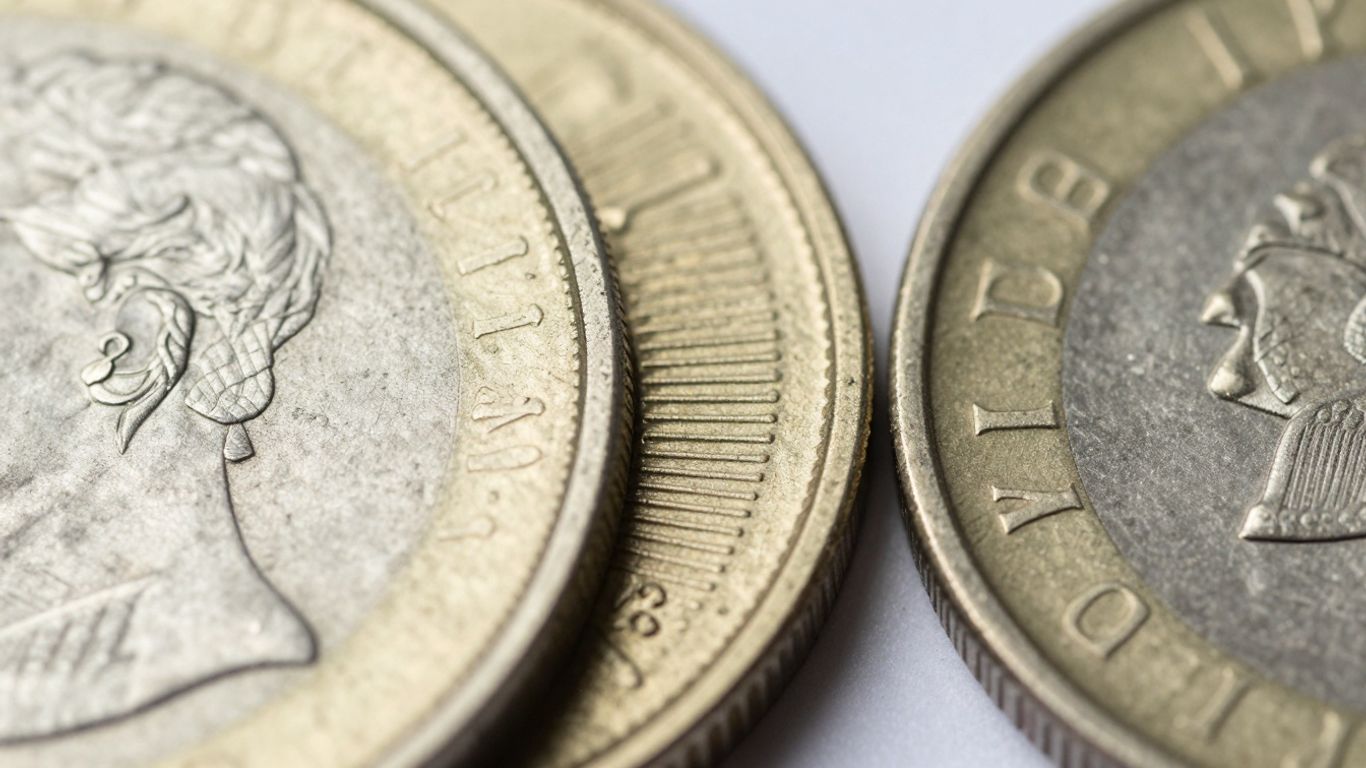
When you first start looking at coins, it’s easy to get caught up in the pictures on the front and back. But there’s a whole other world happening on the side – the edge! The edge of a coin might seem like just a simple border, but it’s actually a really important part of its story. It tells us about how the coin was made, its security features, and sometimes even its history. Think of it like the spine of a book; it might not be the main artwork, but it holds everything together and gives you clues about what’s inside.
The Significance of Coin Edges
Why should we even care about the edge? Well, for starters, it’s a big clue about a coin’s authenticity and how it was produced. Different edge types were used for different reasons, from making coins harder to counterfeit to just being a practical way to mark them. For collectors, the condition of the edge can also tell you a lot about how much a coin has been handled. A worn, smooth edge usually means the coin has spent time in circulation, while a sharp, detailed edge might suggest it’s been kept safe.
Variations in Edge Design
Coins aren’t all made with the same kind of edge. You’ll see a lot of variety out there. Some are completely smooth, others have lines running up and down, and some even have words or patterns stamped onto them. These differences aren’t random; they often relate to the coin’s denomination, the country that made it, or the era it comes from. It’s like how different types of tools have different handles – the edge is designed for its specific job.
Edge Treatments and Striking Methods
The way a coin’s edge is treated is directly linked to how it was made. The process of striking a coin, where a blank metal disc is hit with a die to create the design, also affects the edge. Sometimes, the edge is formed as part of this striking process, while other times it’s prepared beforehand. The machinery and techniques used by mints have changed a lot over time, and this is reflected in the edges we see on older coins compared to newer ones.
Here’s a quick look at some common edge types:
- Plain Edge: Smooth and unadorned. Simple and functional.
- Reeded Edge: Features parallel grooves. Often used on higher-value coins to deter clipping (shaving off metal).
- Lettered Edge: Has inscriptions, like "E Pluribus Unum" or the year.
- Decorated Edge: Features patterns or designs, sometimes quite intricate.
The edge of a coin is more than just its boundary; it’s a functional and sometimes decorative element that provides insights into the coin’s manufacturing process, security measures, and historical context. Paying attention to the edge can significantly deepen your appreciation and understanding of numismatics.
The Anatomy of a Coin's Edge
So, you’ve got a coin, and you’re looking at the front and back, right? But what about the side? That’s the edge, and it’s more than just a way to hold the coin. It’s actually a pretty important part of the whole thing, telling us a story about how it was made and what it’s been through.
Defining the Coin Edge
The edge is basically the outer rim of the coin. Think of it as the coin’s "side profile." It’s the part you see when you look at the coin from the side, not the top or bottom. This often overlooked area can reveal a lot about a coin’s manufacturing process and its history. It’s not just a blank space; it can have designs, lettering, or just be plain smooth metal. Understanding the edge is key to really appreciating a coin’s details.
The Role of the Rim
Now, the rim is a bit different from the edge itself, though they work together. The rim is that slightly raised border you see on both the front (obverse) and back (reverse) of the coin, right where the design meets the edge. Its main job is to protect the coin’s main design from wear and tear. Imagine it like a little shield. Without a good rim, the details on the coin would get rubbed off way faster, especially if it was used for everyday spending. A strong rim helps keep the coin looking good for longer. It’s also important for the striking process, helping to keep the metal contained when the design is pressed onto the blank coin.
Distinguishing Edge from Field
It’s pretty simple once you know what to look for. The field is the flat, background area on the main surfaces of the coin – where there aren’t any raised designs or lettering. The edge, on the other hand, is the entire side surface. They’re totally separate parts. You can have a coin with a very detailed field but a plain edge, or vice versa. Sometimes, the edge might even have its own design or text, which is separate from what’s on the obverse or reverse fields. It’s all about looking at the coin from different angles to see all its features.
Common Coin Edge Treatments
When you look at a coin, you usually focus on the front and back, right? But the edge, that little band around the side, actually tells its own story. It’s not just a blank space; it’s often designed with a purpose. These edge treatments are more than just decoration; they can indicate security features, manufacturing methods, or even historical context.
Plain Edges: Simplicity and Functionality
The most basic edge you’ll find is the plain edge. It’s just smooth, with no markings or patterns. Think of a simple washer – that’s kind of what a plain edge coin is like. This was common on older coins and still appears on some modern ones, especially lower-denomination coins where cost-effectiveness is a big factor. It’s straightforward and doesn’t add much to the manufacturing complexity. However, plain edges can be more susceptible to wear and damage, and it’s harder to spot if someone has tried to shave off metal from the edge, which was a problem in the past.
Reeded Edges: Security and Identification
Ever noticed those little lines running around the edge of a coin, like on a U.S. quarter or half-dollar? Those are called reeds, and they’re a really old security feature. They were originally put there to stop people from shaving off bits of the precious metal – if you shaved it, you’d lose the reeds, and everyone would know. It also made it easier to tell if a coin was made of the right stuff. If you had a bag of coins and some were smooth-edged while others were reeded, you could quickly tell if someone had swapped out the valuable ones for fakes. The number and spacing of these reeds can sometimes even help identify the coin’s origin or mint.
Lettered Edges: Inscriptions and Markings
Some coins go a step further and have words or symbols stamped right onto their edges. This is known as a lettered edge. You might see things like "E PLURIBUS UNUM" or the year of minting, or even special phrases. This adds another layer of security and can also be used for commemorative purposes or to signify a specific type of coin. It’s a more complex process to strike these letters onto the edge, so you usually see them on higher-value coins or special issues. It’s pretty neat to find a coin with a clear, crisp inscription on its edge; it shows good minting quality. If you’re interested in how coins are made, looking at the edge is a good start to understanding the minting processes.
The edge of a coin, often overlooked, serves multiple purposes beyond mere circumference. From deterring metal theft through reeding to conveying specific messages via lettering, it’s an integral part of a coin’s design and security. The manufacturing techniques employed to create these edges directly influence their appearance and the coin’s overall integrity.
Specialized Edge Designs
Beyond the usual plain, reeded, or lettered edges, some coins get a bit more creative. These specialized designs aren’t just for looks; they often add a layer of security, artistry, or historical significance.
Decorated Edges: Artistic and Symbolic Elements
Sometimes, the edge of a coin is treated like a miniature canvas. You might find intricate patterns, floral motifs, or even small figures etched around the circumference. These aren’t just random squiggles; they can represent cultural symbols, commemorate specific events, or simply showcase the mint’s artistic flair. Think of it as a hidden detail that adds character and a story to the coin.
- Artistic Motifs: Designs can range from simple geometric shapes to complex scenes.
- Cultural Significance: Edges might incorporate symbols relevant to the issuing country or event.
- Commemorative Touches: Special issues might feature edge designs related to their theme.
The edge of a coin, often overlooked, can be a rich source of information and aesthetic appeal, revealing details about the minting process and the cultural context of its creation.
Engraved Edges: Unique Patterns and Textures
Engraved edges take decoration a step further, often involving more detailed work than simple stamping. This can result in a variety of textures, from fine lines that create a tactile sensation to more pronounced patterns. These designs can serve practical purposes, like providing a better grip, or they can be purely ornamental. The precision required for engraving means these edges often appear on higher-value or commemorative coins.
Milled Edges: Precision and Security Features
Milling is a process that creates specific patterns on the edge, often with a high degree of precision. This is where security really comes into play. The patterns can be quite complex, making it difficult for counterfeiters to replicate. Some milled edges have very fine, repeating lines, while others might feature more elaborate geometric or even pictorial designs. The goal is often to make the coin harder to alter or to provide a distinct visual and tactile identifier.
| Edge Type | Description |
|---|---|
| Fine Milling | Very small, repeating lines, often close together |
| Coarse Milling | Larger, more distinct patterns or shapes |
| Security Milling | Complex, unique patterns designed to deter fakes |
The Impact of Edge Types on Coin Value
You know, when you’re looking at coins, it’s easy to get caught up in the main design – the portrait, the date, all that stuff. But the edge? It’s often overlooked, and that’s a shame because it can actually tell you a lot, and sometimes, it really affects how much a coin is worth. The condition and specific type of a coin’s edge can significantly influence its desirability and market price.
Edge Condition and Wear
Think about it: the edge is usually the first part of a coin to hit something when it’s being handled or just rattling around in a pocket. So, it’s often where you see the most wear. A coin with a sharp, well-defined edge, especially if it’s supposed to have lettering or reeds, is going to be worth more than one where those details are all smoothed over. It’s like looking at a used book; if the spine is all torn up, it’s not going to fetch as much as one that looks like it just came off the shelf, right?
Here’s a quick rundown of how edge wear can affect things:
- Mint State (MS) or Uncirculated: The edge should look as it did when it left the mint. No wear, full details if it’s supposed to have them.
- About Uncirculated (AU): You might see very slight friction on the highest points of the edge, but the main features should still be clear.
- Extremely Fine (EF/XF): Light wear is visible, but the edge details are still pretty sharp.
- Very Fine (VF): Moderate wear is apparent. You can still make out the design elements, but they’re softened.
- Fine (F) and lower: Significant wear. The edge details might be quite worn down, or even completely gone on some types.
The difference between a coin with a pristine edge and one that’s heavily worn can be the difference between a common piece and a sought-after collectible, especially for coins where the edge is a key part of the design or security feature. It’s all about preserving that original mint state.
Rarity of Specific Edge Types
Some edge types are just naturally rarer than others, and that rarity can drive up value. For instance, a plain edge might be common for a particular coin series, but if you find one with an unusual reeding pattern or a rare inscription that wasn’t supposed to be there, that’s a whole different story. Sometimes, mints experimented with different edge treatments, and only a small number of coins made it out with these unique edges before they switched back to the standard.
- Plain Edges: Often the most common, but can be valuable if the coin itself is rare and the edge is in top condition.
- Reeded Edges: Standard on many coins, but wear is a big factor. A full, sharp reeding is always preferred.
- Lettered Edges: These can be very interesting. If the lettering is crisp and complete, it adds a lot. If it’s weak or missing letters, that’s a problem.
- Decorated/Engraved Edges: These are usually found on older or special issue coins. If the decoration is intricate and well-preserved, it can add significant appeal and value.
How Edge Features Affect Collectibility
Beyond just wear, the specific features on the edge can make a coin more or less collectible. For collectors who focus on specific series or types, finding a coin with a particular edge characteristic might be the goal. For example, some collectors specialize in coins with edge errors, like a "split reeding" or an "off-center" inscription. These anomalies, while technically flaws, can make a coin incredibly rare and desirable to a niche group of collectors.
- Full Strike: A coin where the edge design (like reeds or lettering) is fully and clearly impressed is always more desirable.
- Originality: Collectors generally prefer coins that haven’t had their edges altered, cleaned, or damaged in any way. Original surfaces, including the edge, are key.
- Completeness: For lettered edges, having all the words present and legible is important. For reeded edges, having all the reeds intact and sharp matters.
So, next time you’re looking at a coin, don’t forget to check out its edge. It’s more than just the side of the metal; it’s a part of the coin’s story and can definitely play a role in its value.
Identifying Edge Variations
So, you’ve got a coin, and you’re wondering what’s up with its edge? It’s not just a boring metal ring, you know. The edge can actually tell you a lot about the coin’s history, how it was made, and even if it’s the real deal. It’s like a secret handshake for coins.
Visual Inspection Techniques
First off, just looking at it is key. You don’t always need fancy tools to spot differences. Hold the coin under good light and turn it slowly. See if the edge looks smooth, has little lines, or maybe even words. Sometimes, you’ll notice wear patterns on the edge that tell you if the coin has been around the block a few times. It’s all about paying attention to the details that most people miss.
Here’s a quick rundown of what to look for:
- Plain Edge: Just a smooth, uninterrupted surface. Think of it as the minimalist of coin edges.
- Reeded Edge: These have parallel lines running up and down. They were often used to stop people from shaving off bits of the metal.
- Lettered Edge: This is where you might find words, dates, or mint marks stamped right onto the edge. It’s like a tiny inscription.
- Decorated Edge: Some coins have patterns, designs, or even pictures on their edges. These are usually more artistic or commemorative pieces.
Tools for Examining Coin Edges
While your eyes are good, sometimes you need a little help. A magnifying glass or a jeweler’s loupe is super useful. It lets you see those tiny lines on a reeded edge up close or read faint lettering. For more serious collectors, a digital microscope can show you even more detail, like microscopic wear or manufacturing marks. It’s amazing what you can see when you zoom in!
Comparing Edges to Known Standards
This is where things get a bit more technical, but it’s important. If you’re trying to figure out if a coin is rare or even authentic, you need to compare its edge to what’s known. Coin collecting guides and online databases are your best friends here. They’ll show you pictures and descriptions of edge types for specific coins. For example, a certain year of a dollar coin might be known for having a reeded edge, but if you find one with a plain edge, that’s a significant variation – maybe even an error!
The edge of a coin, often overlooked, is a critical feature for identification and authentication. Its design, or lack thereof, is a direct result of the minting process and can reveal a great deal about the coin’s origin and history. Comparing an unknown edge to established patterns for a given coin type is a fundamental step in numismatic study.
It’s like being a detective. You gather clues from the edge, compare them to your case files (the guides), and then you can make a pretty good guess about what you’ve got. Don’t underestimate the power of the edge!
Edge Types in Historical Coinage
Ancient Striking Methods and Edges
When you look at really old coins, like those from ancient Greece or Rome, the edges can tell you a lot about how they were made. Back then, they didn’t have the fancy machines we have today. Coins were often struck by hand. This meant the edges weren’t always perfectly round or smooth. Sometimes, you’ll see coins that are a bit lopsided or have rough edges. This is totally normal for coins from that era. The way the metal was prepared and how the dies hit the blank (called a planchet) really influenced the final look of the edge. You might find some with a simple, plain edge, while others might have a slightly irregular appearance due to the manual striking process.
Evolution of Edge Treatments Over Time
As time went on, minting techniques got better. Early on, most coins had plain edges. But people realized that adding something to the edge could be useful. For example, adding reeds or even writing on the edge could help prevent people from shaving off bits of the metal, which was a common problem. This was especially true for coins made of valuable metals like gold and silver. So, you see a shift from simple, functional edges to more complex ones designed for security and to show off more information. It’s like going from a basic tool to something more specialized.
Edge Characteristics of Different Eras
Different time periods and places had their own styles when it came to coin edges. For instance, Roman coins often had plain or simply decorated edges. Greek coins, depending on the city-state, might have had unique patterns or even inscriptions. Later on, during the medieval period and into the early modern era, you start seeing more standardized edges, like the reeded edges we’re familiar with today. These changes weren’t random; they often reflected the technology available, the economic needs of the time, and even artistic trends.
Here’s a quick look at some common edge types you might find in historical coins:
- Plain Edge: The simplest form, just a smooth, unadorned edge. Common in early coinage.
- Grained/Reeded Edge: Features parallel lines. This was a security measure to deter clipping.
- Lettered Edge: Has words or phrases inscribed on it. Often used for mottos or mint information.
- Decorated Edge: Features patterns, symbols, or designs beyond simple lines or text.
The edge of a coin, often overlooked, is a historical artifact in itself. It bears witness to the technology, security concerns, and artistic sensibilities of the era in which it was created. Examining these edges provides a tangible link to the past, revealing much about the coin’s journey from mint to collector.
Edge Features and Minting Processes
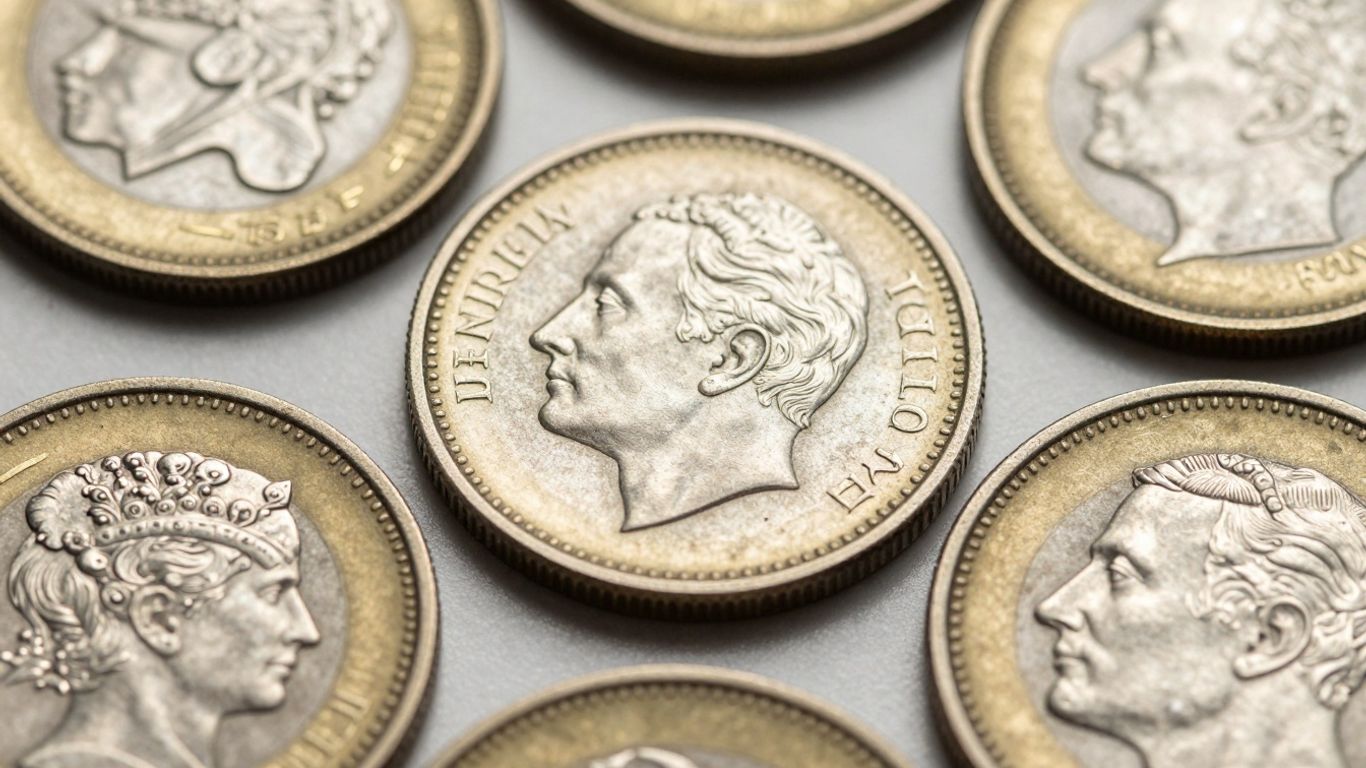
Ever wonder how that coin in your pocket got its edge? It’s not just random. The way a coin’s edge is formed is a direct result of the minting process, involving specific tools and techniques. Think of it as the coin’s signature, telling a story about how it was made.
The Role of Dies in Edge Creation
Dies are the workhorses of coin production. These hardened steel tools are engraved with the coin’s design, and they’re what actually impress the image onto the metal blank, called a planchet. For the edge, the die plays a role in several ways. Sometimes, the die itself has features that interact with the edge during striking, like creating reeding or lettering. Other times, the edge treatment is a result of how the planchet is prepared before it even gets to the striking press. It’s a multi-step operation, really.
How Striking Methods Influence Edge Appearance
The actual striking process is where the magic happens, but it’s also where variations can occur. The pressure applied, the alignment of the dies, and even the number of times a planchet is struck can all affect the final look of the coin, including its edge. For instance, proof coins, made for collectors, are struck multiple times with polished dies to get that super sharp, mirror-like finish. This contrasts with business strike coins meant for everyday use, which get a single strike. This difference in striking can lead to subtle, or sometimes not-so-subtle, variations in the edge’s appearance and overall detail. Understanding these differences is key to appreciating the nuances of coin collecting, especially when looking at coin errors.
Planchet Preparation and Edge Formation
Before a blank metal disc even sees a die, it goes through preparation. This is where many edge features are actually put in place. For example, if a coin is supposed to have a reeded edge, that pattern is often imparted onto the planchet before striking, usually by passing the metal strips through a special rolling mill or by using a collar die during the striking process. A plain edge is just that – a blank disc with no special treatment. Lettered edges might be created by a collar die that has the lettering engraved on its inner surface. The preparation of the planchet is a critical step that dictates much of what you’ll see on the coin’s circumference.
Here’s a quick rundown of how different edge types are typically formed:
- Plain Edge: The planchet is simply struck without any special collar or edge treatment.
- Reeded Edge: Often achieved by a collar die with vertical grooves that press into the edge during striking, or sometimes by rolling the metal strip beforehand.
- Lettered Edge: A collar die with engraved letters is used during the striking process to impress the inscription onto the coin’s edge.
The edge of a coin might seem like a minor detail, but it’s a direct window into the manufacturing process. From the initial preparation of the metal blank to the final strike, each step leaves its mark, influencing the coin’s security features and its overall aesthetic. Paying attention to these details can reveal a lot about a coin’s origin and its journey through the minting system.
Beyond the Basics: Advanced Edge Considerations
So, we’ve covered the usual suspects when it comes to coin edges – plain, reeded, and lettered. But for those who really get into coin collecting, there’s a whole other layer of detail to explore. It’s not just about what the edge looks like, but what it tells us about the coin’s history, its production, and even its potential value. Think of it like knowing the difference between a regular car tire and a specialized racing tire; both get you around, but one has a lot more going on under the surface.
Edge Errors and Anomalies
Sometimes, things just don’t go according to plan at the mint. These slip-ups can lead to some pretty interesting edge variations that collectors go wild for. We’re talking about things like off-center strikes, where the coin wasn’t perfectly aligned when it was hit by the dies. This can result in a weird, uneven edge, or even a partial design showing up on the edge itself. Then there are double strikes, where the coin gets hit twice, sometimes causing the edge to look mashed or distorted. It’s these little imperfections that make each coin a unique piece of history.
- Off-center strikes: The planchet (the blank coin) isn’t centered between the dies.
- Double strikes: The coin is struck more than once, often with misalignment.
- Die cracks/breaks: Though more common on the faces, severe die issues can sometimes affect the edge.
- Planchet defects: Issues with the metal blank before striking can manifest on the edge.
The edge of a coin, often overlooked, can be a treasure trove of information for the discerning collector. It’s a place where manufacturing quirks and historical accidents leave their mark, turning a simple piece of metal into a story.
Edge Preservation and Conservation
Keeping a coin’s edge in good shape is just as important as protecting the main surfaces. Because the edge is often the part that hits surfaces first when a coin is handled or dropped, it’s prone to wear and damage. For collectors, preserving this edge means careful handling and proper storage. Conservation efforts might focus on stabilizing existing conditions rather than trying to make a worn edge look new, which can actually hurt the coin’s value. It’s all about maintaining that original character.
Edge Markings and Their Significance
Beyond the standard reeding or lettering, some coins have unique markings on their edges that aren’t immediately obvious. These could be mint marks applied to the edge (more common in older coinage), or even intentional decorative patterns that were part of the original design but are subtle. Sometimes, edge markings can help identify the specific mint that produced the coin or even a particular production run. These subtle details can be the key to unlocking a coin’s full story and confirming its authenticity.
| Marking Type | Description | Potential Significance |
|---|---|---|
| Edge Mint Mark | A mint mark stamped directly onto the edge. | Identifies the mint of origin. |
| Decorative Grooves | Non-standard patterns or textures. | Artistic intent or specific minting technique. |
| Maker’s Marks | Small symbols or initials from the edge-planing process. | Rare, can indicate specific workshop or era. |
Wrapping It Up
So, we’ve gone through a bunch of coin terms, from the basic parts of a coin to how they’re graded and what makes them valuable. It might seem like a lot at first, but knowing these terms really helps when you’re looking at coins, whether you’re just starting out or have been collecting for a while. Think of it like learning a new language – the more words you know, the easier it is to understand what’s going on. Hopefully, this guide has made things a bit clearer and you feel more confident about the different types of coins out there. Happy collecting!
Frequently Asked Questions
What exactly is the 'edge' of a coin?
The edge is simply the outer side of a coin, like the crust on a slice of pizza. It’s the part you see when you look at the coin from the side. It can be smooth, have lines, or even have words on it!
Why do some coins have lines on their edges, and others don't?
Those lines are called ‘reeding,’ and they were originally put on coins to stop people from shaving off tiny bits of metal to steal it. If the edge was smooth, it was easy to shave; if it had lines, you could immediately tell if metal was missing. It’s a security feature that’s still used today, even though metal shaving isn’t a big problem anymore.
Can the edge of a coin tell us how it was made?
Yes, it can! The way the edge looks can give clues about the minting process. For example, very old coins might have rougher or uneven edges because they were made by hand hammering. Newer coins have very precise edges because machines make them.
Are there coins with writing on their edges?
Absolutely! Some coins have special messages, dates, or mint marks written right on the edge. This is called a ‘lettered edge.’ It’s like a secret message or a signature from the place that made the coin.
Does the type of edge affect how much a coin is worth?
It can! Some edge designs are rarer than others. If a coin has a unique or unusual edge, especially if it’s from an older time or a limited run, it might be more valuable to collectors. Also, the condition of the edge—if it’s worn down or damaged—can affect its worth.
What's the difference between a plain edge and a reeded edge?
A plain edge is just smooth all the way around, like a simple band. A reeded edge has those tiny, parallel lines running up and down the side. Think of it like the difference between a plain wooden stick and a stick with grooves carved into it.
What does 'decorated edge' mean on a coin?
A decorated edge means the coin’s outer side has patterns, designs, or symbols etched into it, not just lines or words. These are often found on special collector coins or older coins where artists wanted to add extra beauty or meaning.
How can I check the edge of my coin to see what type it is?
The easiest way is to look at it closely, perhaps using a magnifying glass. You can also gently feel the edge to notice if it’s smooth, has lines, or has any writing. Comparing it to pictures of known coin edge types online or in books can also help you figure it out.