So, you’ve got a pile of old coins, maybe from a relative or just something you’ve collected over the years. It’s easy to just shove them in a box, but what if they’re actually worth something? Figuring that out can be a real headache. You might not know where to start, or who to trust. This is where a coin consultant in Tampa can really help. They know the ins and outs of coin values, grading, and selling, which can save you a lot of time and maybe even make you some good money. Let’s talk about how they can guide you through the whole process.
Key Takeaways
- When you inherit coins, get a professional opinion to understand their real worth before doing anything.
- A coin consultant Tampa can explain how coins are graded and why that matters for their price.
- Getting a formal appraisal from a coin expert is important for knowing the value and for insurance or estate purposes.
- To get the best price when selling, a coin consultant Tampa can help you figure out the right time and place to sell.
- A good coin consultant Tampa will also help you spot fake coins and teach you how to store your collection properly.
Choosing the Right Coin Consultant Tampa for Your Collection
When you’re thinking about selling or appraising your coin collection—whether inherited or carefully built over the years—the choice of a consultant can make a big difference. The local Tampa coin scene is full of personalities, but how do you know who’s really going to help you get the most out of your coins, and who might be more interested in a quick flip? Let’s break it down.
Essential Qualifications to Look For
Not every coin consultant has the background you need, and the last thing you want is to trust your collection to someone underqualified. Consider these points when evaluating candidates:
- In-depth knowledge of rare coins and modern issues
- Years of hands-on experience in appraising and selling coins
- Transparency about pricing and commission structures
- A willingness to explain the evaluation process in plain English
A trustworthy consultant should have a proven track record of fair dealings and satisfied customers.
Professional Memberships and Certifications
It’s not all about gut instinct—professional credentials matter too. These not only show a consultant knows their stuff, but also that they’re committed to ethical practices. Here’s what to look for:
| Membership/Certification | What It Signals |
|---|---|
| American Numismatic Association | Nationally recognized expertise |
| Professional Numismatists Guild | Commitment to ethical standards |
| Florida United Numismatists | Local knowledge and community ties |
| PCGS/NGC Authorized Dealer | Trusted connection to top grading labs |
Often, consultants will display credentials in their shop or online. If they don’t, ask.
Red Flags to Avoid When Selecting a Consultant
Unfortunately, not everyone in the business has your best interests at heart. Here are a few warning signs that a consultant isn’t the right choice:
- Reluctance to provide references or show credentials
- Pressure to sell quickly or accept a low offer
- Hesitation to let you seek second opinions
- Vague answers to your questions about value and process
Take your time picking a consultant. If anything feels rushed or unclear, it might be a good idea to look elsewhere—your coin collection deserves as much care as you gave it, or as your loved one did before you.
Initial Steps When You Inherit a Coin Collection
So, you’ve just inherited a coin collection. Maybe it was a grandparent’s hobby, or perhaps a distant relative you barely knew. Whatever the case, you’re now the temporary guardian of a box, album, or maybe even a whole safe full of coins. It can feel a bit overwhelming, right? Like, what do you even do with all this metal? The first thing to remember is not to panic or make any hasty decisions.
Understanding the True Value of Your Inheritance
It’s easy to look at a pile of old coins and think, "Wow, this must be worth a fortune!" Or, conversely, "This is just a bunch of old pennies." The reality is usually somewhere in between, and often, the true value is hidden. Coins aren’t just metal; they’re pieces of history. Their worth comes from a mix of factors:
- Rarity: How many of these coins were actually made, and how many still exist today?
- Condition (or Grade): Is the coin worn smooth, or does it look like it just came from the mint? Even tiny scratches can make a big difference.
- Metal Content: Sometimes, the silver or gold in a coin is worth more than its numismatic value.
- Demand: Are collectors actively looking for this specific type of coin right now?
Trying to figure this out on your own can be a real headache. You might spend hours online, comparing your coins to pictures, and still feel unsure. That’s where getting a professional opinion really comes into play. They’ve seen thousands of coins and know what to look for.
Protecting and Preserving Rare Coins
Before you start rearranging things or thinking about selling, it’s important to handle the collection with care. These coins might be old, but they can also be fragile.
- Avoid Touching the Surfaces: Oils from your skin can damage the coin’s surface over time, especially on older, more delicate pieces. It’s best to handle them by the edges.
- Don’t Clean Them: Seriously, resist the urge! Cleaning a coin, even with the best intentions, can drastically reduce its value. What looks like dirt to you might be part of the coin’s original patina, which collectors often seek.
- Proper Storage: If the coins aren’t already in protective holders, think about getting some. Avoid plastic bags or rubber bands, as these can degrade and harm the coins. Archival-quality flips or albums are a much better bet.
Storing your coins correctly from the start is one of the most important things you can do. It prevents damage that can cost you a lot of money down the line. Think of it like putting a valuable painting in a protective frame instead of leaving it exposed to the elements.
Why Expert Guidance Matters from the Start
When you inherit something like a coin collection, it’s a bit like being handed a puzzle with missing pieces. You know there’s a picture there, but you don’t quite know what it is yet. A coin consultant acts like the guide who helps you put that puzzle together.
They can help you:
- Identify Key Pieces: Spotting the rare coins among the more common ones.
- Understand Grading: Explaining how coins are graded and what that means for their worth.
- Assess Authenticity: Making sure you’re not dealing with a fake, which can happen.
- Determine Market Value: Giving you a realistic idea of what the collection is worth today.
Without this initial guidance, you might accidentally sell a valuable coin for next to nothing, or worse, damage a piece without realizing it. Getting an expert involved early on sets you up for making smart decisions, whether you plan to sell, keep, or share the collection.
Understanding Coin Grading and Its Impact on Value
So, you’ve got some coins, and you’re wondering what they’re actually worth. A big part of that comes down to something called grading. Think of it like this: a coin’s grade is basically its condition, and condition is a huge deal when it comes to how much someone will pay for it. It’s not just about whether it’s shiny or worn; there’s a whole system to it.
Popular Coin Grading Systems Explained
Most people in the coin world use a scale to describe a coin’s condition. The most common one is the Sheldon scale, which runs from 1 to 70. A ‘1’ is pretty much a mess, barely recognizable, while a ’70’ is absolutely perfect, like it just came from the mint. You’ll also hear terms like ‘Good,’ ‘Very Good,’ ‘Fine,’ ‘Extremely Fine,’ ‘About Uncirculated,’ and ‘Uncirculated’ or ‘Mint State.’ These are more general descriptions, but the Sheldon scale gives a much more precise idea.
- Uncirculated (MS-60 to MS-70): No wear at all. The difference between MS-60 and MS-70 is usually about minor imperfections like bag marks or hairlines.
- Extremely Fine (XF or AU-50 to AU-58): Shows very light wear, but only in the highest spots. You can still see most of the original detail.
- Fine (F-12 to F-15): Moderate wear, but the main features are still clear.
- Good (G-4 to G-6): Significant wear, with major design elements flattened, but the coin is still identifiable.
Factors That Affect Coin Grades
When a professional looks at a coin, they’re checking a few things. It’s not just one thing, but a combination. They’re looking at the overall wear, sure, but also things like:
- Surface preservation: Are there scratches, nicks, or other marks? These are called ‘contact marks’ or ‘bag marks’ if they’re from being handled or stored improperly.
- Luster: This is the original shine or glow the coin had when it was made. Some coins lose their luster over time, even if they don’t show much wear.
- Strike: How well was the design impressed onto the coin? Some coins are struck weakly, meaning some details might be missing or soft, even if the coin is otherwise in great shape.
- Color/Tone: For older coins, the natural toning (color changes from exposure to the environment) can sometimes add to the appeal, or detract from it if it’s unsightly.
The condition of a coin is a primary driver of its market value. Even a slight difference in grade can mean a significant jump or drop in price. This is why getting an accurate grade is so important before you even think about selling.
How Grading Influences Market Demand
Basically, the better the grade, the more people want it, and the more they’re willing to pay. A coin that’s graded ‘Uncirculated’ will almost always be worth more than the exact same coin graded ‘Fine,’ assuming it’s a collectible coin in the first place. This is because higher-grade coins are rarer and more desirable for collectors who want the best examples of a particular coin. It’s like buying a classic car – a perfectly restored one fetches a much higher price than one that’s been sitting in a field for decades. So, understanding grading helps you know what collectors are looking for and why some coins are worth a lot more than others that look similar at first glance.
Appraisal Process with a Coin Consultant Tampa
So, you’ve got a coin collection, maybe inherited, maybe built over time, and you’re wondering what it’s actually worth. That’s where a coin consultant in Tampa really comes into play. They’re not just looking at the coins; they’re looking at the whole picture to give you a solid number.
What to Expect During a Professional Appraisal
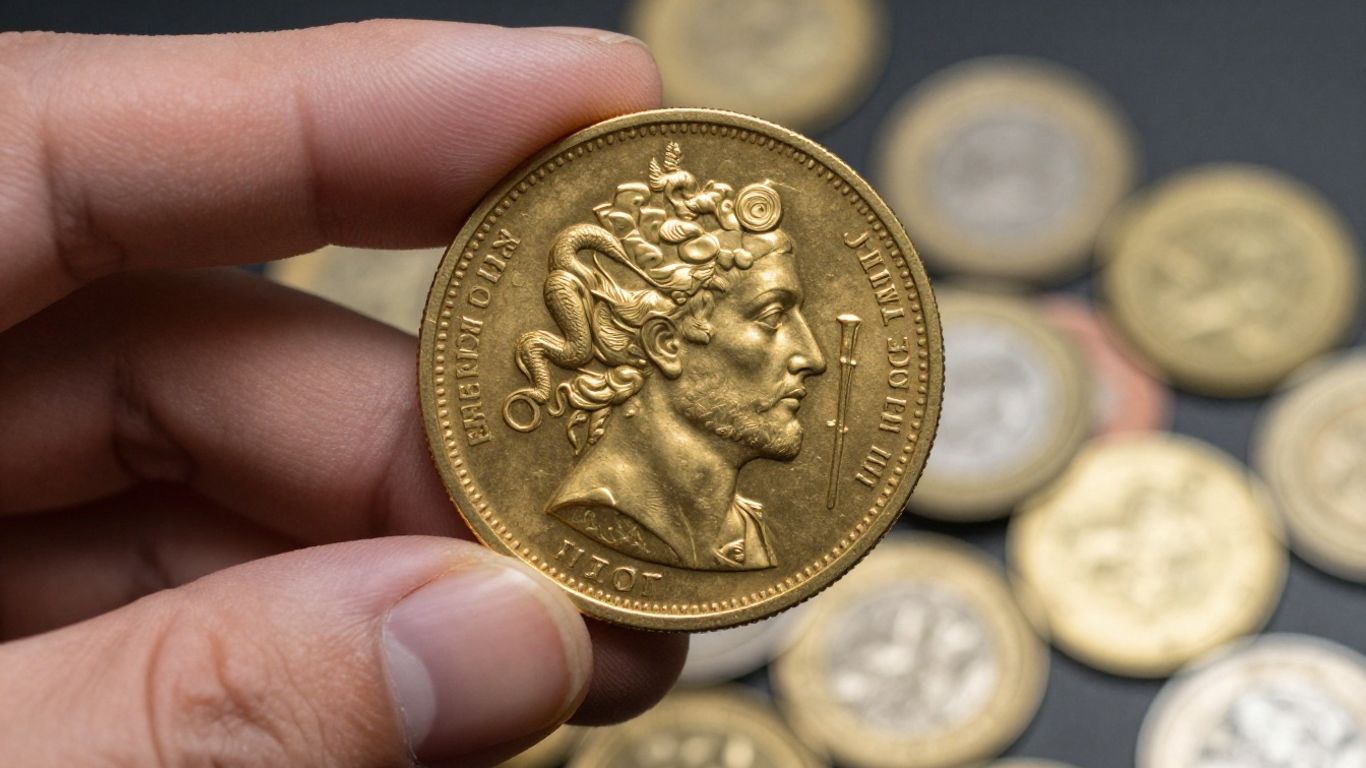
When you bring your collection to a consultant, the first thing they’ll do is a careful look-over. This isn’t just a quick glance. They’ll examine each coin, noting its condition, any wear, and its specific details. Think of it like a doctor giving you a check-up, but for your coins. They’ll also take photos and measurements, getting all the basic facts down.
After the initial inspection, the real detective work begins. The consultant will research your coins. This means digging into past sales of similar items, checking historical records, and figuring out the coin’s background – who owned it before, if that’s known. This research is key because a coin’s history, called its provenance, can sometimes add a lot to its value.
Documentation and Written Reports
Don’t expect just a verbal "it’s worth this much." A good consultant will give you a detailed written report. This document is super important. It breaks down how they arrived at their valuation. You’ll see:
- A list of each coin appraised.
- The condition grade assigned to each coin.
- The research and data used to determine value.
- The final estimated market value for each item or the collection as a whole.
This report is your proof. It’s what you’ll use for insurance, estate planning, or if you decide to sell. It makes everything clear and official.
Key Components of a Reliable Valuation
A valuation that you can trust has a few main parts. First, the consultant needs to know their stuff – they should be experienced and knowledgeable about coins, especially the types you have. Second, they need to use recognized methods for grading and valuing coins. There are standard systems out there, and using them means the appraisal is more likely to be accepted by others, like dealers or auction houses.
The market for coins can shift. What’s popular today might not be tomorrow. A good appraisal considers current trends and demand, not just what the metal is worth. It’s about finding that sweet spot where rarity, condition, and collector interest meet.
Finally, authenticity is a big deal. A reliable valuation will confirm that your coins are genuine. If there’s any doubt, a good consultant will tell you and might suggest further authentication steps. This protects you from accidentally valuing or selling a fake.
Selling Your Coin Collection: Strategies for Top Dollar
If you’ve decided to part ways with your coin collection, you want to make sure you get as much as possible for it. The market for coins in Tampa—or anywhere, really—can move fast, and there are several ways to put yourself in a good position. Choosing where and how to sell can make a big difference in your final payout.
Local vs. Online Coin Marketplaces
You’ve got options when selling: doing it face-to-face with a local dealer, listing coins on an online marketplace, or both. Each has its own quirks:
- Local dealers and shops:
- Faster transactions—get paid the same day.
- You get personal service, and there’s no shipping risk.
- Some dealers might have lower offers, especially for common coins.
- Online options (eBay, auction websites):
- Reach a much broader pool of buyers, which can drive up competition for rare items.
- You’ll usually pay fees for listings or final sales.
- Shipping adds complexity—pack carefully to avoid loss or damage.
| Option | Pros | Cons |
|---|---|---|
| Local Shop/Dealer | Quick sale, no shipping hassle | May offer less for some coins |
| Online Marketplace | Wider reach, often higher bids | Fees, shipping required |
| Coin Shows/Auctions | Specialized buyers, possible bidding up | Timing may be less predictable |
Timing Your Sale for Maximum Returns
Coins fluctuate in demand based on:
- Market prices for gold, silver, or other metals in your coins
- Popularity of the coin type or series
- Time of year — big shows and auctions can attract more bidders
Patience can pay off. If you’re not in a rush, track prices over a few months, and ask your Tampa coin consultant about the best windows to sell. Sometimes, waiting for the right buyer can mean an extra 20% in your pocket.
Using Auctions and Private Buyers
Auctions and private sales can yield big results if your collection includes high-value or rare items. Here are a few pointers:
- Auctions (in-person or online) generate excitement and can spark bidding wars, but they typically take a cut of the final sale.
- Dealing directly with private collectors could mean higher offers, especially if someone needs your specific coin to complete a set.
- Ask your consultant which route makes sense for your particular coins—sometimes splitting up a collection nets more than selling all at once.
Selling coins isn’t just about getting rid of old change—it’s a chance to match collectors with pieces they truly want. With a little patience and the right strategy, you can see some real rewards for your effort.
Protecting Your Investment with Proper Coin Storage
So, you’ve got this coin collection, maybe inherited, maybe built over time. It’s not just about how much it’s worth right now, but also about keeping it that way for the future. Proper storage is a big part of that. Think of it like putting your valuable art in a climate-controlled vault instead of leaving it out in the sun.
Choosing the Right Storage Materials
When it comes to storing your coins, the materials you use really matter. You want things that won’t react with the metal and cause damage over time. Avoid anything that can degrade or release harmful chemicals. Using inert materials is the golden rule here.
Here’s a quick rundown of what’s generally good and what to steer clear of:
- Good Choices:
- Things to Avoid:
Environmental Factors to Consider
It’s not just about the container; the environment where you keep your coins plays a huge role. Think about temperature, humidity, and even light.
- Temperature: Big swings in temperature can cause condensation, which is bad news for metal. Try to keep your coins in a place with a stable temperature, ideally between 65-75 degrees Fahrenheit (18-24 degrees Celsius).
- Humidity: High humidity is a coin’s enemy. It can accelerate corrosion and lead to "verdigris" (that greenish powdery stuff) on copper and silver coins. Aim for a relative humidity of around 40-50%.
- Light: Direct sunlight can fade labels on holders and, in some cases, might even affect certain coin materials over very long periods. Storing them in a dark place, like a cabinet or a box, is best.
- Air Quality: Avoid storing coins in places with a lot of dust, fumes, or pollutants. A clean, dry environment is key.
Keeping your coins in a stable, controlled environment is just as important as the holder they’re in. Fluctuations in temperature and humidity can cause more damage than you might think, leading to corrosion or other surface issues that can drastically reduce a coin’s value. It’s worth investing a little time and effort into finding the right spot.
Common Mistakes in Handling Coins
Even with the best storage materials and environment, how you handle the coins themselves can cause damage. It sounds simple, but touching coins the wrong way can leave fingerprints that can corrode the surface over time, especially on high-grade or proof coins.
Here are some common handling blunders to watch out for:
- Touching the coin’s surface: Always hold coins by their edges. Your fingers have oils and acids that can leave permanent marks.
- Using abrasive cloths: Don’t try to "clean" your coins with rough cloths or polishing compounds. This almost always damages the surface and significantly lowers the value.
- Stacking coins carelessly: Even if they’re in holders, stacking them too tightly or in a way that causes friction can lead to scratches or dings.
- Storing them near chemicals: Keep your coin collection away from cleaning supplies, paint, or other household chemicals that can release fumes.
Taking these steps might seem like a lot of work, but for a collection you want to preserve and see grow in value, it’s absolutely worth it. It’s about protecting your tangible piece of history.
Estate Planning and Distribution for Coin Collections
When a coin collection is part of your estate, figuring out how to pass it on or divide it up is more involved than just splitting old coins between family members. This isn’t something you want to leave to chance. These collections might have serious value, both monetary and sentimental. Here’s how to tackle the key aspects:
Ensuring Fair Asset Allocation
- Get a trustworthy, written appraisal. This gives everyone a clear idea of what’s actually there and how much it’s worth—nobody’s relying on quick guesses or internet listings.
- Decide if your heirs want to keep the coins or prefer to sell. Some may value the collection for its history, while others see it as a way to gain funds.
- Spell out specific wishes in your will or trust. Do you want a particular coin to stay in the family, or is it best to liquidate everything and split the cash?
Appraisals for Estate Tax and IRS Filings
It’s not just about who gets what—there are legal requirements, too. If your collection’s worth a decent sum, you need appraisals for tax purposes. The IRS expects official documentation to support any reported value. Here’s a quick rundown:
| When Needed | What’s Required |
|---|---|
| Estate worth over $12,920,000 (2023 limit) | Professional, written appraisal |
| Gifting items worth $5,000+ | Third-party appraisal for IRS |
| Distribution among multiple heirs | Reported fair market value |
Avoiding Family Disputes Over Heirlooms
- Be transparent. Tell your heirs what you have and what you want done with the coins.
- Involve a neutral, professional appraiser to avoid accusations of favoritism.
- If there’s a major difference in sentimental value, maybe let heirs select special pieces in rounds, or use a lottery system if you want to keep things fair.
Setting out a clear plan, with real values and written wishes, helps families avoid arguments and confusion when it comes time to settle an estate. The fewer surprises, the better.
Insurance and Risk Management for Valuable Coins
So, you’ve got this coin collection, maybe inherited, maybe built over years. It’s pretty cool, right? But have you thought about what happens if something goes wrong? Like a fire, a flood, or even a sneaky theft? That’s where insurance comes in, and it’s not as complicated as it sounds.
Why Accurate Appraisals Are Essential for Coverage
Look, your standard homeowner’s policy probably isn’t going to cut it for a serious coin collection. Most policies have limits on personal property, and coins often fall into a special category. You need to know what your collection is actually worth to get the right amount of coverage. This is where getting a professional appraisal is a big deal. Without a solid valuation, you might be underinsured, meaning if disaster strikes, you won’t get enough to replace what you lost. It’s like trying to buy a new car with only half the money you need – you’re just not going to get the car you want.
- Get a Detailed Appraisal: This isn’t just a quick guess. A good appraisal lists each significant coin or set, its condition, and its current market value. This documentation is gold when talking to insurance companies.
- Understand Policy Limits: Know exactly what your policy covers and what the maximum payout is. Some policies might require individual itemization if a coin is particularly valuable.
- Review Regularly: Coin values change. What was worth $500 last year might be $700 today. You need to update your appraisal and your policy periodically to keep pace.
Navigating Insurance Claims After Loss or Theft
If the worst happens and you need to file a claim, having good records makes all the difference. It’s a stressful time, and digging through old papers is the last thing you want to do. A well-documented appraisal and insurance policy streamline the whole process. You’ll need to provide proof of ownership and value, which is exactly what a professional appraisal gives you. This helps the insurance company process your claim faster and more accurately, so you can start rebuilding your collection.
Filing an insurance claim can be a daunting process, especially when dealing with irreplaceable items. Having a detailed inventory and a recent appraisal from a reputable source significantly simplifies communication with your insurance provider and increases the likelihood of a fair settlement. This preparation is key to protecting your financial interests.
How to Update Your Policy as Values Change
Coin markets can be pretty dynamic. Rarity, historical interest, and even economic trends can cause values to swing. It’s not a set-it-and-forget-it kind of thing. You should aim to have your collection re-appraised every few years, or whenever there’s a significant shift in the market for the types of coins you own. This ensures your insurance coverage stays relevant. For example, if you have a collection that’s primarily U.S. silver dollars, and suddenly there’s a surge in demand for those specific coins, you’ll want to adjust your policy accordingly. Many collectors find that a specialized coin insurance policy offers broader protection than a standard rider on a homeowner’s policy, often covering things like worldwide transit and not requiring individual itemization for every single piece.
Recognizing Rare and High-Value Coins in Your Collection
So, you’ve got a pile of old coins, and you’re wondering if any of them are actually worth something. It’s not always obvious, you know? Some coins look pretty beat up but can be worth a fortune, while others might look shiny and new but are just common pocket change. Figuring out what’s rare and what’s not takes a bit of know-how.
Identifying Historical Significance and Provenance
Sometimes, a coin’s story is just as important as its metal content. Think about where the coin came from. Was it part of a famous collection? Did it belong to someone historically important? This is called provenance, and it can really bump up a coin’s desirability and price. A coin with a solid history, maybe documented in old letters or sale records, is often more sought after than one with no known past. It’s like owning a piece of history, not just a piece of metal.
Rarity Factors That Influence Value
What makes a coin rare? It’s usually a mix of how many were made and how many still exist today. The fewer there are, the rarer it is. Mintages are a big deal here. A coin struck in the thousands will almost always be rarer than one struck in the millions. Then there’s survival rate – coins get lost, melted down, or damaged over time. So, even if a lot were made, if most are gone, the remaining ones become more scarce. Errors during the minting process can also create rare varieties that collectors go wild for.
Here are some things that make a coin rare:
- Low Mintage Numbers: The fewer coins produced, the rarer they are.
- Survival Rate: How many of the original mintage still exist today.
- Key Dates and Mint Marks: Specific years or mint locations that had lower production or are harder to find in good condition.
- Varieties and Errors: Mistakes made during minting that create unique, unrepeatable versions of a coin.
Spotting Hidden Gems Among Common Coins
It’s easy to get lost in the details, but sometimes the most valuable coins are hiding in plain sight. You might have a common coin that’s actually a rare variety because of a small detail, like a misplaced mint mark or a slight die variation. Or maybe you have a coin that’s in incredibly good condition for its age – what collectors call ‘high grade’. Even a common date can become valuable if it’s preserved almost perfectly. It pays to look closely at every single coin, not just the ones that look obviously old or unusual.
Don’t just assume a coin isn’t worth much because it looks like every other coin you’ve seen. Sometimes the smallest differences, or the best preservation, are what turn a regular coin into something special. It’s all about the details and the condition.
Avoiding Counterfeits: The Role of a Coin Consultant Tampa
No matter how much experience you have with coins, spotting a fake can be tricky.
Working with a coin consultant in Tampa is often the best way to avoid being fooled by counterfeits and to stay ahead in a market full of tricky scams.
Common Coin Forgeries and How to Detect Them
Fakes show up in just about every type of collection, from old silver dollars to modern commemoratives. Some are easy to notice, others can fool even keen eyes. Here are things people (and consultants) check for:
- Weight and measurements that don’t match genuine coins
- Odd metal color or finish
- Details that seem fuzzy or worn in the wrong places
- Misspelled words or strange font styles
- Edges that look struck instead of reeded or vice versa
A lot of fakes actually slip by because people assume all coins in a collection are real, especially if they look old and have some tarnish. That’s just not true.
The Importance of Authentication
A professional consultant uses both tools and experience. For tougher cases, they might recommend sending a coin to a recognized grading service (like PCGS or NGC). Authentication helps:
- Confirm what you have before selling or insuring it
- Avoid buying coins that aren’t the real deal
- Give you peace of mind for sentimental or high-value pieces
| Professional Authentication Benefits | Why It Matters |
|---|---|
| Written, third-party certification | Buyers trust the grade |
| Increases resale value | Eliminates doubt |
| Detects subtle or high-grade forgeries | Protects your money |
Getting an expert opinion means you don’t have to rely on guesswork. One missed fake can cost way more than a consultant’s fee.
Protecting Yourself from Scams in the Market
Even smart collectors get targeted by counterfeiters, especially online or at coin shows. To avoid common traps:
- Never buy coins from unreliable sources or sellers with lots of negative reviews
- Request authentication paperwork whenever possible
- Steer clear of "too good to be true" deals, particularly for rare coins
- Store purchase records and certificates, as these back up your collection’s authenticity
Coin consultants in Tampa help you dodge these headaches. They stay current on new scam trends, give you pointers about honest dealers, and can even negotiate on your behalf.
If you’re serious about collecting or selling coins, a savvy specialist is a solid investment—not just for their eye, but for their network and know-how.
Leveraging Coin Collections in Financial Transactions
Using Coins as Loan Collateral
Think of your coin collection not just as something to admire, but as a potential financial tool. In certain situations, a well-valued coin collection can be used to secure a loan. This is especially true if you have rare or historically significant pieces that have a stable market value. Lenders might see a collection as a tangible asset that can back a loan, similar to real estate or stocks. The key here is having a professional appraisal. Without one, it’s hard for anyone, especially a lender, to know what your collection is truly worth. A detailed report from a coin consultant can provide that necessary documentation.
Implications for Bankruptcy Proceedings
When facing bankruptcy, understanding all your assets is important. A coin collection, even if it has sentimental value, is generally considered a financial asset. Its value needs to be declared. A professional appraisal helps determine its worth, which can affect how it’s handled in bankruptcy proceedings. Sometimes, certain assets might be protected, while others may need to be liquidated to pay off debts. Knowing the precise value of your coins, thanks to an expert, is vital for navigating these complex legal waters and making informed decisions about your financial future.
Maximizing Value in Divorce or Estate Settlements
Dividing assets during a divorce or settling an estate can get complicated, especially with unique items like coin collections. A fair and accurate appraisal is absolutely necessary. It ensures that the collection’s value is properly accounted for, allowing for an equitable distribution among parties involved. This avoids disputes and makes the process smoother for everyone. For estates, it helps in distributing the collection according to the deceased’s wishes or legal requirements, and for divorce, it ensures both parties receive their rightful share of the marital assets. A consultant’s report provides an objective basis for these divisions.
Here’s a quick look at how appraisals help:
- Loan Collateral: Provides lenders with a clear understanding of asset value.
- Bankruptcy: Helps in accurately declaring assets and understanding their role in proceedings.
- Divorce/Estate: Facilitates fair and objective division of property.
Having a professional valuation report is like having a clear map when you’re dealing with complex financial landscapes. It provides objective data that can prevent misunderstandings and lead to better outcomes for everyone involved.
Education and Empowerment Through Professional Coin Consulting
Working with a coin consultant isn’t just about getting your coins appraised or finding out which ones are worth the most money. A good consultant walks you through what you actually have—breaking down the history, the types, and even spotting features you might not notice on your own. You’ll start learning coin terminology and get a sense of what makes some coins common and others rare.
Some things you might gain from these educational sessions include:
- Learning to distinguish between circulated and uncirculated coins.
- Seeing an example of what authentic grading looks like, and why it matters.
- Understanding how market trends affect value—not just today, but over time
Sometimes, all it takes is one clear explanation from someone who knows coins to make the whole collection feel a little less confusing.
Making Confident Decisions on Selling or Holding
A good consultant doesn’t just tell you what something is worth—they’ll take the time to explain why certain coins might be better off kept as heirlooms, while others could fetch a good price right now. You get to hear pros and cons for different approaches.
You might also see a table like this to compare your main options:
| Approach | Pros | Cons |
|---|---|---|
| Hold Long-Term | Potential appreciation | Requires storage and upkeep |
| Sell Now | Immediate cash, less hassle | Might miss future gains |
| Partial Liquidate | Keep some, sell others | Decision can be tricky |
Steps a consultant may walk you through:
- Listing your goals—do you want fast cash, or save for the future?
- Reviewing individual coins for historical or family importance.
- Weighing the practicalities of storage, insurance, and taxes.
Staying Up to Date with Market Trends
Coin prices shift over time, and staying current isn’t easy if you’re not watching the market. Experienced consultants help you stay informed by:
- Sharing updates about which coins are in demand.
- Giving you insight when big auctions set new records.
- Letting you know when a particular time of year favors selling or buying certain types.
If you stay in touch, you get ongoing tips that keep you one step ahead—so you’re never caught off guard when you need to make a decision about your collection.
Wrapping Up: Getting the Most from Your Coin Collection in Tampa
So, if you’ve got a coin collection sitting in a box or maybe you just inherited one, don’t rush into anything. It’s easy to feel overwhelmed or unsure about what to do next, but you don’t have to figure it out alone. Reaching out to a coin consultant in Tampa can make a big difference. They’ll help you understand what you have, what it might be worth, and how to go about selling if that’s what you want. Even if you decide to keep some coins for sentimental reasons, at least you’ll know their story and value. The process doesn’t have to be complicated or stressful. With the right guidance, you can make smart choices and maybe even enjoy the experience along the way. Whether you’re looking to cash in or just get some answers, a little expert advice goes a long way.
Frequently Asked Questions
What should I do first if I get a coin collection from someone?
When you inherit coins, don’t rush to sell them! First, try to understand what you have. Look at the coins carefully. It’s a good idea to talk to someone who knows a lot about coins, like a coin consultant in Tampa. They can help you figure out which coins are common and which might be really special or valuable.
How do I know if my coins are worth a lot of money?
Figuring out a coin’s value involves a few things. Experts look at how rare the coin is, its condition (like scratches or wear), and if it has any special history, like who owned it before. A good coin consultant can examine these details and tell you what your coins might be worth on the market today.
What is coin grading, and why is it important?
Coin grading is like giving a coin a score based on its condition. A coin that looks brand new and has no marks gets a high score, making it more valuable. A coin that’s worn out or damaged gets a lower score. Grading helps buyers and sellers agree on a coin’s worth.
Can a coin consultant help me sell my coins?
Absolutely! A coin consultant can be a huge help when you decide to sell. They can tell you the best ways to sell, whether that’s to local buyers, at an auction, or online. They can also help make sure you get a fair price for your collection.
How do I keep my coins safe?
To protect your coins, use special holders made for coins, not just any plastic box. Keep them in a place that’s not too hot or too humid. Avoid touching the shiny parts of the coins with your fingers, as the oils can damage them over time. A consultant can show you the best ways to store them.
What's the difference between selling coins locally and online?
Selling locally in Tampa might mean dealing with coin shops or shows where you can see the buyer. Online selling can reach more people but might involve shipping and waiting for payment. A consultant can help you weigh the pros and cons of each to get the best deal for you.
How can a coin consultant help if I'm dealing with an estate?
If a coin collection is part of someone’s estate, a consultant can provide official appraisals. This helps make sure the coins are valued correctly for taxes and divided fairly among family members. It can prevent arguments and make the process smoother for everyone.
How do I know if a coin consultant is trustworthy?
Look for consultants who are part of professional groups, have good reviews, and can explain their process clearly. Be wary of anyone who pressures you to sell right away, offers to buy your coins for a very low price, or can’t show you their credentials. A good consultant wants to educate and help you.