When you start collecting coins, you quickly realize that just having them isn’t enough. You need a good way to keep them safe, organised, and looking good. This is where coin albums come in. But with so many different kinds out there, how do you pick the right one? This coin album types comparison will help you figure out which kind best suits your needs, whether you’re just starting out or have a serious collection going.
Key Takeaways
- Folder albums are simple, affordable, and great for beginners or specific coin sets, but offer limited protection.
- Binder albums provide flexibility and customisation, allowing you to expand and reorganise your collection easily, making them ideal for growing collections.
- Slab albums are designed for graded coins, offering the highest level of protection and display for valuable investment pieces.
- Always choose albums made from archival-safe, PVC-free materials like Mylar or polypropylene to prevent damage and discolouration to your coins.
- Consider your collection’s size, value, and potential for growth when selecting an album to ensure it meets your long-term needs.
Understanding Your Coin Album Options
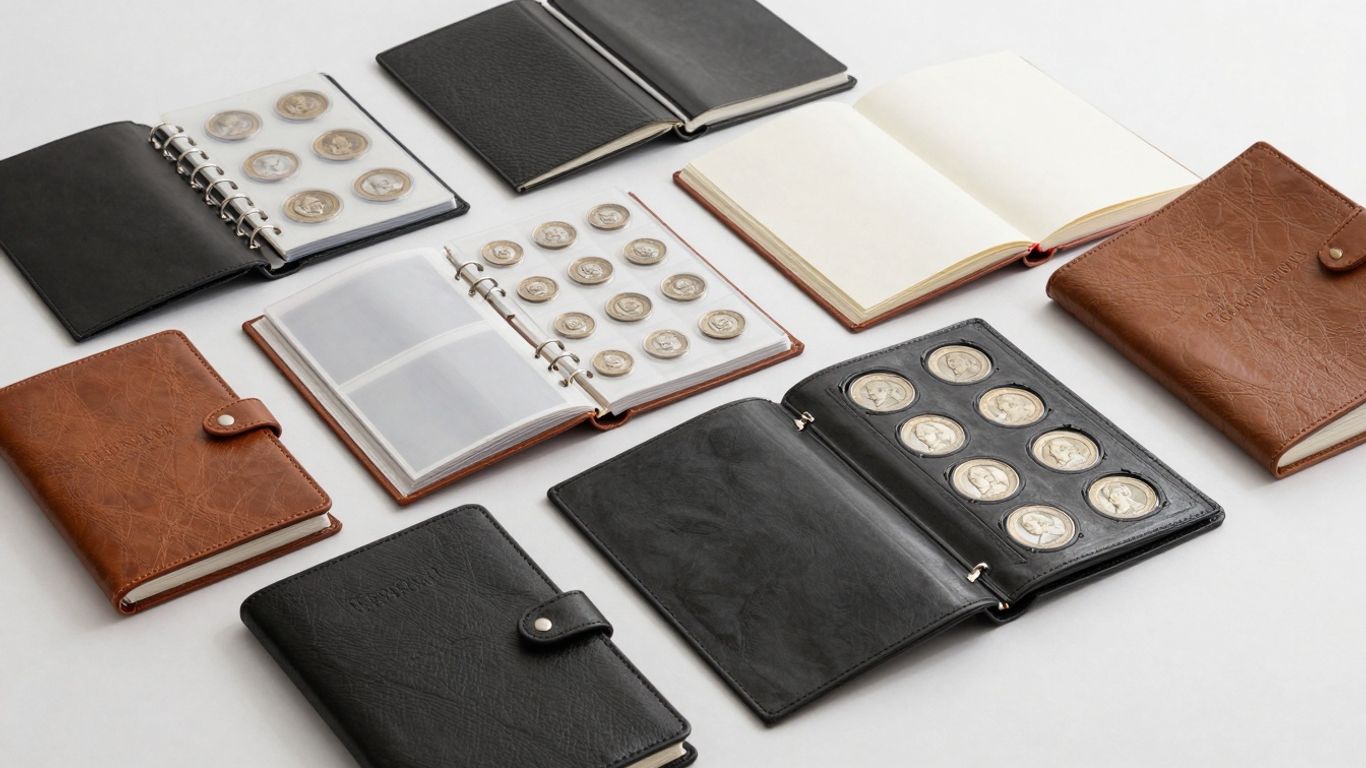
Picking out the right place to keep your coins is a pretty big deal. It’s the first step in turning a bunch of metal discs into something you can really appreciate and show off. Think of it like choosing a home for your treasures – it needs to be safe, organized, and fit your style. There are three main types of albums out there, and each one is good for something a little different.
Folder Albums: The Starter Bookshelf
These are super common, especially when you’re just starting out or putting together a specific set, like all the state quarters or a particular coin series. A folder album is usually made of thick cardboard that folds out. It has little slots, often pre-labeled, where you just push your coin in. It’s really straightforward and cheap, which is great if you’re on a budget or just getting into the hobby. You can see exactly what you have and what you’re missing at a glance. The downside? Your coins are pretty exposed. One side is usually open to the air, so they don’t offer much protection from dust or moisture.
- Pros: Very affordable, simple to use, great for completing specific sets.
- Cons: Offers minimal protection, coins are often exposed.
- Best for: Beginners, kids, or collectors focused on a single, inexpensive coin series.
These simple folders are a fantastic entry point, letting you get a feel for organizing without a big financial commitment. They make it easy to see your progress on a specific coin hunt.
Binder Albums: The Customisable Library
If a folder is like a basic bookshelf, a binder album is more like a custom-built library. These use a standard ring binder, but instead of paper, you fill it with special plastic pages or sleeves that hold your coins. This is where things get really flexible. You can add pages whenever you get new coins, swap them around, or even use different types of pages for coins of different sizes, or maybe even some paper money or special coin holders. It’s a system that can grow and change with your collection, which is why a lot of collectors move to these as their interest deepens. You’re in charge of how it looks and how it’s organized.
- Adaptable Layout: Rearrange pages to sort by year, country, or any other system you prefer.
- Scalable Capacity: Easily add more pages as your collection expands.
- Mixed Media: Accommodate various coin sizes, slabs, or even other collectibles in the same binder.
Slab Albums: The Museum-Grade Display Case
These are for the serious collectors, the ones with high-value coins that have been professionally graded and sealed in hard plastic cases, often called "slabs." Slab albums aren’t designed to hold loose coins. Instead, they have specific slots or pages made to fit these sealed slabs perfectly. They offer the highest level of protection, keeping your valuable coins completely sealed off from the environment. While they’re usually the most expensive option and don’t offer much room for rearranging, they are the top choice for protecting significant investments. They essentially turn your collection into a secure, display-worthy exhibit.
| Album Style | Best For | Protection Level | Cost | Customization |
|---|---|---|---|---|
| Folder Albums | Beginners, kids, single sets | Low | $ | None |
| Binder Albums | Growing/diverse collections | Medium to High | $$ | High |
| Slab Albums | High-value, graded coins, investments | Very High | $$$ | Low |
Matching An Album To Your Collection Type
Picking the right coin album isn’t just about what you have right now; it’s about thinking ahead. Your collection is going to grow, right? You don’t want to hit a wall with your storage a year from now. It’s like buying a tiny apartment when you know you’re planning on having a big family – not the smartest move.
Consider Your Coin Dimensions
First off, let’s talk size. Coins aren’t uniform. You’ve got your big, chunky historical pieces and then your tiny, modern ones. If you grab an album with fixed-size slots, you’re going to run into problems. Small coins will just rattle around, and bigger ones might not even fit, or they’ll be so crammed in you risk damaging them. It’s a real headache.
- Measure your coins: Before you buy anything, get a ruler. Measure the diameter and thickness of your largest and smallest coins. This is super important.
- Look for adjustable pages: Binder albums are usually best here. They let you buy pages with different pocket sizes, so you can house everything from a large commemorative medal to a small silver dime without any issues.
- Avoid uniform pockets: Unless you’re only collecting one specific series with identical coin sizes, steer clear of albums with all the same size slots.
Always Plan for Future Growth
Collections rarely stay static. You might start with just US pennies, but then you get interested in British crowns, or maybe some ancient Roman coins. Your album needs to keep up. Folder albums are great for a single, complete set, but once that set is full, you’re done. You can’t just add more pages.
- Think about expansion: If you have a hunch your collecting interests might broaden, a binder system is the way to go. You can just add new pages as needed.
- Flexibility is key: A binder lets you slot in new pages for new series or countries without having to buy a whole new album. It’s like adding shelves to a bookcase instead of buying a whole new bookcase.
- Avoid dead ends: Folder albums can become a dead end if your collection outgrows them. You’ll have to transfer everything, which is a pain.
Match The Album To Your Collection's Value
This is a big one. The value of your coins should absolutely influence your album choice. If you’re just collecting cool coins you find in your change, a simple, inexpensive folder is probably fine. They’re easy to use and let you see what you’re missing at a glance.
But when you start dealing with coins that are worth a significant amount of money, or rare pieces with limited mintages, you need top-notch protection. This isn’t just about keeping them looking nice; it’s about preserving their actual monetary value. For these kinds of coins, investing in a high-quality binder with individual protective capsules, or even a slab album for graded coins, isn’t an extra expense – it’s a necessity.
- Low-value collections: Affordable folder albums or basic binder pages are usually sufficient. Focus on keeping them organized and protected from basic environmental factors.
- Mid-value collections: A good quality binder album with archival-safe pages and individual coin holders (like flips or capsules) is recommended. This offers a good balance of protection and customisation.
- High-value collections: Consider slab albums for graded coins or high-end binders with secure, individual coin protection. The focus here is on maximum security and preservation against any potential damage or environmental harm.
Key Features Of Different Album Styles
When you’re looking at coin albums, they really boil down to three main types, each with its own set of perks. It’s not just about looks; it’s about how they work for your coins and your collecting habits.
Folder Albums: Affordability And Simplicity
Folder albums are the go-to for many starting out. They’re usually made of thick cardstock that folds open, with pre-cut slots for specific coins. Think of them as a simple, ready-made display for a particular coin series, like a set of state quarters or a year’s mint set. They’re super easy to use – just pop the coin in. This makes them incredibly beginner-friendly and budget-conscious.
- Pros: Very affordable, easy to see what you have and what’s missing, compact.
- Cons: Limited space, little protection from environmental factors, not adaptable for different coin sizes or types.
- Best for: Beginners, kids, or collectors focusing on a single, defined coin set.
Folder albums are great for getting started, but they don’t offer much in the way of long-term protection or flexibility as your collection grows.
Binder Albums: Flexibility And Adaptability
Binder albums are like a customizable library for your coins. They use a standard three-ring binder, but instead of paper, you fill it with special plastic pages or sleeves designed to hold coins. This setup is fantastic because you can add, remove, or rearrange pages whenever you want. You can mix and match different page types to fit various coin sizes, or even include slots for banknotes or certified coin holders. This adaptability is a big plus for collectors whose interests might change or expand over time. You can find a wide variety of pages and accessories for these binders at places that sell coin collecting supplies.
- Customization: High – rearrange, add/remove pages, mix page types.
- Capacity: Expandable by adding more pages.
- Protection: Generally good, especially if pages are PVC-free and coins are in individual holders.
Slab Albums: Ultimate Protection For Graded Coins
Slab albums are designed for the serious collector, particularly those dealing with valuable, graded coins. These albums typically feature custom-cut slots or pages specifically made to house professionally graded coins that are sealed in hard plastic holders (slabs). The focus here is maximum protection and a presentation that resembles a museum display. While they offer top-tier security, they are generally less flexible for adding new, ungraded coins and are usually the most expensive option.
- Protection Level: Highest, designed for already protected coins.
- Presentation: Excellent, often showcasing coins like exhibits.
- Cost: Typically the highest.
- Flexibility: Low, primarily for graded coins only.
The Importance Of Archival-Safe Materials
When you’re picking out a coin album, it’s easy to get caught up in how many coins it holds or how pretty the cover looks. But honestly, the most important thing to think about is what the album is actually made of. The materials inside aren’t just sitting there; they’re creating the whole environment your coins will live in for years, maybe even decades. Get this part wrong, and you could be slowly damaging your collection without even realizing it.
Why Acid-Free Paper Is Non-Negotiable
It’s not just the plastic pockets you need to worry about. The paper and cardboard bits in your album matter a lot too. Regular paper often has acids in it from the manufacturing process. Over time, these acids can transfer to your coins. This can cause weird toning, little spots, or just make them look discolored. It’s like a slow chemical burn. So, always look for paper that’s clearly marked as "acid-free" or "archival quality." This means it’s stable and won’t mess with your coins. Think of it as a basic safety check for your collection.
Choosing PVC-Free Plastics
The biggest culprit when it comes to damaging plastics is something called PVC, or Polyvinyl Chloride. It’s cheap and flexible, which is why it’s used in a lot of lower-quality stuff. The problem is, PVC breaks down over time, especially if it gets warm or humid. When it breaks down, it releases chemicals that can actually eat away at the metal of your coins. This often leaves behind a sticky, greenish goo that’s super hard to get off without damaging the coin’s surface. Once that "green slime" shows up, the coin’s value can drop pretty fast. So, always make sure your album is labeled PVC-free.
Understanding Mylar And Polypropylene
Thankfully, there are much better plastic options out there that are safe for your coins. The two you’ll see most often are Mylar and polypropylene. Mylar, which is a type of polyester, is really stable and clear. It doesn’t get brittle or yellow over time, and it provides a good barrier against outside stuff. Polypropylene is another good choice. It’s also chemically stable and won’t harm your coins. Reputable manufacturers will usually be upfront about using these materials. If a product description is vague about what kind of plastic it uses, it’s probably best to steer clear.
Storing your coins in materials that aren’t archival-safe is like leaving them out in the rain. The damage might not be immediate, but over time, it can be irreversible and significantly reduce the value and appeal of your collection. Choosing the right materials is the first and most important step in protecting your numismatic treasures.
Evaluating Major Coin Album Brands
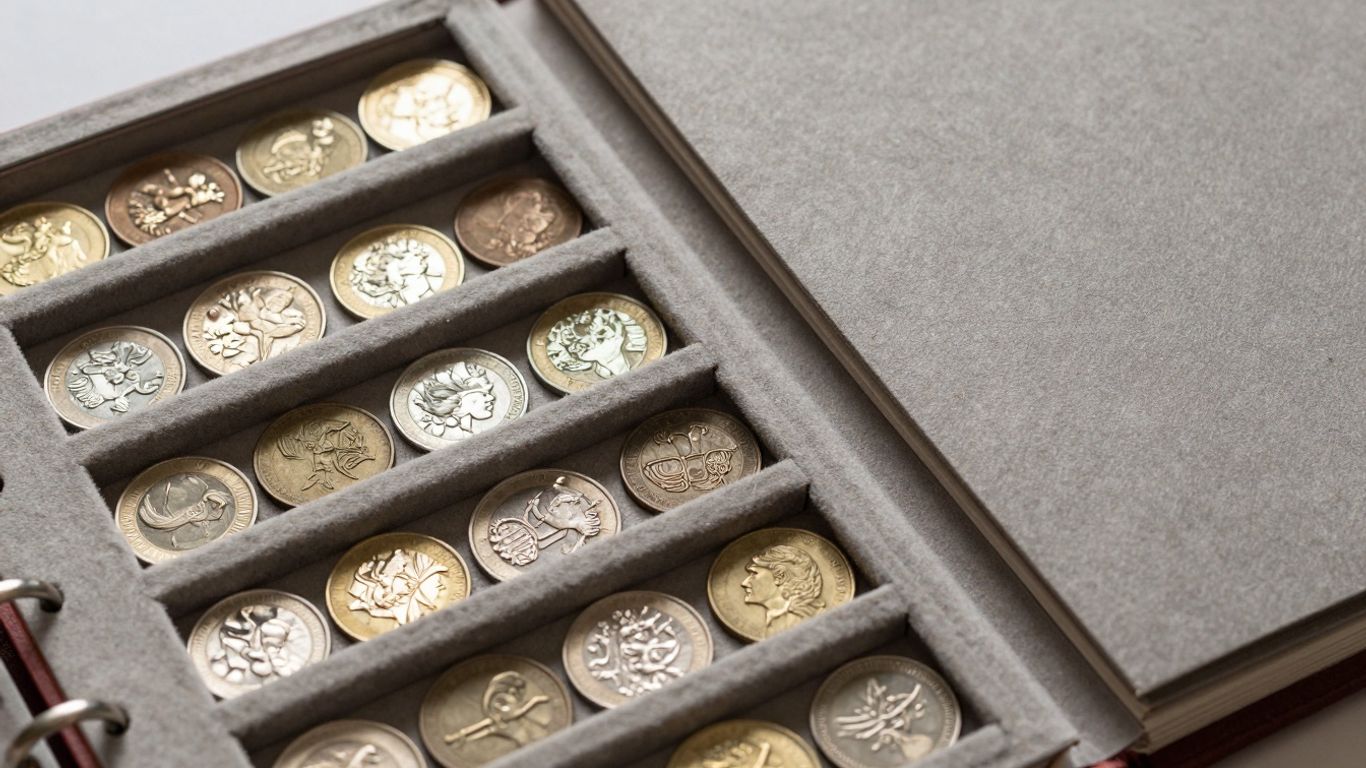
Intercept Shield: Advanced Preservation
When it comes to keeping your coins safe from the bad stuff in the air, Intercept Shield albums are pretty impressive. They’ve got this special lining called Corrosion Intercept. It’s designed to grab onto and neutralize nasty gases before they can even get near your coins. Think of it like a tiny air filter for each coin slot. Plus, these albums usually come with a matching slipcase, which also has that special lining. So, you get a double layer of protection. They cover a good chunk of major coin series, from older ones to what’s being made now. They even have a type album that some folks think is laid out better than others. It’s a solid choice if you’re really worried about long-term preservation.
Dansco: Efficient Space Utilisation
Dansco albums are a long-standing name in the coin collecting world. They offer a wide variety of titles, covering many different series and historical periods. The pages are typically held in place with a pin-type system, giving them a traditional, bound book feel. This design is quite space-efficient on a shelf, making them a popular choice for collectors who have a lot of albums. They’re known for their clear labeling and organized layout, making it easy to see what coin goes where. While they don’t have the advanced gas-neutralizing technology of Intercept Shield, they are made with archival-safe materials to protect your coins from environmental damage.
Whitman: High-Quality Pages And Tabs
Whitman is another big name, often seen as a go-to for many collectors. They’re known for producing albums with sturdy pages and well-designed slots or tabs for coins. You’ll find a broad selection of albums covering popular US coin series, often with detailed information printed right on the page. The quality of the materials used is generally good, focusing on keeping coins secure and protected. They strike a good balance between affordability and quality, making them accessible for a wide range of collectors. If you’re looking for a reliable, well-made album that’s easy to use and find information in, Whitman is definitely worth considering.
Littleton: Protective Envelopes And Gloves
Littleton takes a slightly different approach, especially with their page binding. They often use a three-ring system, which makes the pages lay flat, kind of like a binder. This can be really handy for looking at your coins without having to strain. However, this style can make the albums a bit thicker on the spine, so they might take up more shelf space compared to some other brands. Littleton also offers a range of accessories, like slipcases and protective inserts, which are sold separately if you want that extra layer of defense. They have a decent selection of titles, though maybe not as extensive as some of the biggest players. They also offer portfolios for things like banknotes and coins in 2×2 holders, which is a nice touch for collectors with varied interests.
Choosing the right brand often comes down to personal preference and what features you prioritize. Some collectors love the advanced protection of Intercept Shield, while others prefer the traditional feel and space efficiency of Dansco or Whitman. Littleton’s binder-style pages offer a different kind of usability. It’s worth looking at a few different types if you can, to see which one feels best in your hands and best suits how you want to display and organize your collection.
Best Practices For Organising Your Collection
So, you’ve got your coins, and you’ve picked out the perfect album. Now comes the part where you actually get to arrange everything. It’s kind of like being a curator for your own mini-museum, right? A well-organized collection isn’t just neat; it’s a lot more enjoyable to look through, makes it easier to see what you’re missing, and helps you keep track of your progress. The best system is really just the one that makes sense to you and your coins.
Choosing Your Organisational System
Most collectors end up using one of a few common ways to structure their albums. Each method gives you a different way to look at your numismatic treasures. Don’t be afraid to mix and match, especially if you’re using a binder album – they’re great for creating different sections.
- By Year: This is a classic for a reason. Arranging coins chronologically lets you see how a single design changed over time.
- By Denomination: Want to see all your pennies, nickels, or quarters in one spot? This straightforward method is good for comparing designs of the same value.
- By Monarch: For history fans, organizing by the king or queen on the coin creates a cool timeline of history.
- By Theme: If you love commemorative coins, grouping them by themes like the Olympics or specific events makes for really engaging sets.
Curating Your Personal Numismatic Museum
Think of yourself as the curator of your own private museum. The way you arrange everything tells its own story. You can shape your layout to highlight what you find most interesting about your collection. For instance, you might group all your error coins together, or perhaps all the coins from a specific historical period.
The physical album protects the coin’s condition, but a separate inventory protects its history and value. Keeping this record is a really professional habit for any collector.
Tracking Progress And Identifying Gaps
Beyond just looking pretty, a good organization system helps you see where your collection is heading. It makes it simple to spot which coins you still need to complete a set or series. Keeping a separate inventory, whether it’s a digital spreadsheet or a physical notebook, is super important. At a minimum, note the coin’s year, denomination, condition, when you acquired it, and what you paid. This record is incredibly helpful for insurance purposes and for tracking how your collection grows in value over time.
Protection Against Environmental Damage
So, you’ve got your coins all sorted into a nice album. That’s a great start, but it’s not the whole story when it comes to keeping them in good shape. The environment where you keep that album really matters. Think of it like storing fine art – you wouldn’t just leave a painting out in the sun, right? Coins are similar; they can get damaged by things you might not even think about.
The Risks Of Air And Moisture
Air and moisture are probably the biggest culprits when it comes to damaging coins over time. Humidity, especially, can be a real problem. If the air is too damp, it can cause all sorts of issues on the coin’s surface. We’re talking about corrosion, which looks like pitting or rough spots, and toning, which is a discoloration that can range from a light brown to a dark, almost black, hue. Even the oils from your fingertips can cause permanent damage if you handle coins without care.
Here’s a quick look at what humidity can do:
- Corrosion: This is like rust for metal coins. It eats away at the surface, leaving pits and making the coin look rough.
- Toning: This is a chemical reaction that changes the coin’s color. While some collectors actually like certain types of toning, uncontrolled toning can be unsightly and reduce a coin’s appeal.
- Spotting: Small, localized areas of discoloration or damage can appear, often looking like little dark spots.
Temperature swings aren’t great either. Big changes can make materials expand and contract, which isn’t ideal for the long-term stability of your collection. Keeping things steady is key.
Preventing Toning And Spotting
Preventing these issues mostly comes down to controlling the environment. The best approach is to keep your coins in a place that’s cool, dry, and dark. A closet inside your main living space is usually much better than a basement or an attic, which tend to have more extreme temperature and humidity fluctuations. You can also use silica gel packets – those little packets you find in new shoes or electronics – to help absorb excess moisture from the air around your albums. Just make sure they don’t directly touch your coins or album pages. For serious collectors, investing in a dehumidifier for the room where your collection is stored can make a big difference. You can find more tips on how to safeguard your coin collection by storing rare coins in secure holders or a safe deposit box here.
The Role Of Slipcases In Preservation
Slipcases are those outer covers that some albums come with, or that you can buy separately. They’re not just for looks; they add an extra layer of protection. A slipcase can help shield your album and its contents from dust, light, and minor bumps. It also helps keep the pages from getting bent or damaged if the album is moved around. While a slipcase won’t stop major damage from humidity or extreme temperatures, it’s a simple addition that contributes to the overall preservation of your collection. It’s like giving your coin album its own little protective shell.
Storing your coins properly is about more than just keeping them tidy. It’s about actively protecting them from the slow, silent damage that environmental factors can inflict. By paying attention to where you store your albums and what extra protection you can add, you’re helping to preserve the condition and value of your numismatic treasures for years to come.
Safeguarding Your Collection's Value
Your coin album is more than just a place to put your coins; it’s the primary guardian of their worth, both historical and monetary. Without proper care and storage, even the most common coin can lose its appeal and value over time. Think of it as building a secure vault for your treasures.
Protecting Against Physical Harm
Accidents happen, and a loose coin can easily be dropped, leading to scratches, dents, or other surface damage. This kind of physical harm can drastically reduce a coin’s grade and, consequently, its market value. Always handle your coins by their edges, never by the flat surfaces, to avoid transferring oils from your skin and to maintain a firm grip.
- Wear Cotton Gloves: A pair of soft, lint-free cotton gloves creates an essential barrier between your skin and the coin’s delicate surface.
- Hold by the Edge: Never touch the obverse or reverse (the flat sides) of a coin. Always grip it securely by its edge between your thumb and forefinger.
- Use Proper Tools: For smaller or more delicate coins, consider using soft-tipped coin tongs, but be extremely careful not to apply too much pressure.
The Impact of Rarity and Condition
Two main factors determine a coin’s value: how rare it is and its condition. While you can’t change a coin’s rarity, you have complete control over its condition. A coin in mint state, with no visible wear, will always be worth more than a heavily circulated example of the same issue. Even minor imperfections like scratches or corrosion can significantly devalue a rare coin. Storing your coins in a quality album, made from archival-safe materials, is the best way to preserve their original condition and protect their inherent value.
The oils and acids naturally present on human skin can cause permanent damage to a coin’s surface. Even a brief touch can leave behind fingerprints that may lead to corrosion or unsightly toning over time. This is why using gloves or handling coins only by their edges is so important for maintaining their condition and value.
Considering Insurance for High-Value Collections
For collections that represent a significant financial investment, looking into specialized insurance is a sensible next step. Standard homeowner’s insurance policies often have limits on the value of collectibles they cover. A dedicated numismatic insurance policy can provide a safety net against events like theft, fire, or accidental damage, offering peace of mind that your valuable assets are protected.
- Assess Your Collection’s Worth: Regularly appraise your collection to understand its current market value.
- Review Policy Limits: Check your existing homeowner’s or renter’s insurance for specific coverage limits on collectibles.
- Seek Specialized Coverage: Investigate insurance providers that offer policies tailored for coin collections, which often provide broader protection.
Common Questions About Coin Albums
When you’re just starting out with storing your coins properly, it’s totally normal to have a few questions pop up. Getting these sorted early on is the best way to make sure your collection stays safe, organized, and valuable for years to come.
Should I Clean My Coins Before Storing?
This is a big one, and the answer is almost always a resounding no. Any kind of rubbing or polishing, no matter how gentle you think you’re being, can create tiny scratches. It also removes the coin’s natural patina, which is a huge part of its history and value. The only time a coin should be "cleaned" is by a professional conservator, and only if something actively damaging, like green PVC gunk, needs to be removed. Trying to clean them yourself can seriously hurt their worth. For advice on preserving coins, check out resources on proper coin storage.
Why Standard Photo Albums Are Unsuitable
Using a regular photo album for your coins is a big mistake. Most photo albums are made with PVC and other plastics that contain acidic chemicals. Over time, these chemicals can leach out and cause a nasty, green corrosion on your coins that’s pretty much impossible to fix. It’s like storing a valuable painting in a damp shed – it might look okay for a bit, but the damage is happening and it’s going to end badly. Always invest in an album made specifically for coin collecting, looking for archival-safe materials.
Understanding Coin Album Materials
It’s not just about the plastic pockets; the paper and card parts of your album matter too. Regular paper has acidic chemicals that can transfer to your coins over time, causing toning, spots, and discoloration. Always check that any paper elements, like the backing card in a folder or descriptive inserts, are clearly marked as acid-free or archival quality. This simple step ensures the paper is stable and won’t slowly damage your collection. It’s the best insurance policy your coins can have. Reputable manufacturers will clearly state if their products are "PVC-free" or use materials like Mylar or polypropylene. If a product description is vague, it’s best to avoid it.
A Coin Album Types Comparison Summary
So, you’ve been looking at all the different coin albums out there, and maybe feeling a little overwhelmed. It’s totally normal! The good news is, it boils down to a few main types, each with its own strengths. Picking the right one is less about finding the ‘best’ and more about finding the ‘best for you’ and your collection.
Folder Albums: Best for Beginners
These are your entry-level albums, often made of sturdy cardboard that folds out. They usually have pre-cut slots for specific coin series, like state quarters or popular themed collections. You just pop the coin in. They’re super affordable and great for seeing at a glance what you have and what you’re missing. They’re perfect if you’re just starting out, collecting a single, well-defined set, or maybe putting together a gift for a younger collector. The main drawback is that they don’t offer much protection from the air or moisture, since the coins are often exposed on one side.
- Pros: Inexpensive, simple to use, good for specific sets.
- Cons: Limited protection, not very customizable.
- Ideal for: New collectors, kids’ collections, completing a single coin series.
Think of a folder album like a starter notebook. It gets the job done for basic notes, but it’s not built for long-term archival storage of sensitive documents.
Binder Albums: Best for Growing Collections
If folders are like starter notebooks, binder albums are more like a customisable binder you’d use for school or work. These use a standard ring binder, but instead of paper, you fill it with special plastic pages that hold your coins. This setup is incredibly flexible. You can add pages, rearrange them, or even mix different types of pages to hold coins of various sizes, or even coin slabs, all in one place. This makes them a fantastic choice as your collection expands or your collecting interests change. They offer a good balance of protection and customisation.
- Flexibility: Easily add, remove, or reorder pages.
- Capacity: Can hold a wide variety of coin sizes and types.
- Protection: Generally better than folders, especially with archival-safe pages.
Slab Albums: Best for Investment Pieces
These are the top-tier option, designed for serious collectors who have high-value or graded coins. Slab albums are built to provide the ultimate protection. Graded coins come in hard plastic holders, often called ‘slabs’, and these albums are specifically designed to house them securely. They offer excellent protection against environmental factors and physical damage. While they offer the best security, they are also the most expensive and offer the least flexibility in terms of customisation once you’ve chosen a layout.
- Protection: Maximum security for valuable coins.
- Display: Presents graded coins professionally.
- Cost: Typically the most expensive option.
- Customisation: Very limited; designed for specific graded coin sizes.
When you’re dealing with coins that represent a significant financial investment, the cost of a top-notch album becomes a small price to pay for peace of mind and preservation of value.
Wrapping It Up: Finding Your Collection's Perfect Home
So, we’ve looked at the different ways you can store your coins, from the simple folder albums that are great for starting out, to the super-protective slab albums for your prize pieces, and the flexible binder albums that grow with you. Honestly, there’s no single ‘best’ album for everyone. It really comes down to what you’re collecting and how much you want to protect it. Think about your coins, your budget, and how you like to organize things. Picking the right album is a big step in making sure your collection stays safe and enjoyable for years to come. It’s about giving your coins the home they deserve, whether that’s a neat little folder or a more elaborate setup.
Frequently Asked Questions
What are the main types of coin albums?
There are three main kinds: folder albums, which are simple cardboard books for specific coin sets; binder albums, which use ring binders and plastic pages for more flexibility; and slab albums, which hold professionally graded coins in hard plastic cases for top-level protection.
Why is it important to use archival-safe materials?
Archival-safe materials, like acid-free paper and PVC-free plastics, don’t harm your coins. Regular paper has acid that can damage coins over time, causing spots or color changes. Some plastics can also release chemicals that corrode your coins. Using the right materials keeps your collection safe and valuable.
Can I use a regular photo album for my coins?
No, it’s not a good idea. Most photo albums are made with materials that can damage coins, like PVC, which can cause green corrosion. Coin albums are specifically designed with safe materials to protect your collection.
Should I clean my coins before putting them in an album?
Generally, no. Cleaning coins can cause tiny scratches or remove their natural patina, which is part of their history and value. Unless a coin has something actively harmful on it, it’s best to leave cleaning to professionals.
How do I choose the right album for my coins?
Consider the size of your coins, how much your collection might grow, and the value of your coins. Folder albums are good for beginners with specific sets. Binder albums offer flexibility for growing collections. Slab albums are best for valuable, graded coins.
What does 'PVC-free' mean for coin albums?
PVC (polyvinyl chloride) is a type of plastic that can release harmful chemicals that damage coins over time. ‘PVC-free’ means the album is made with safer plastics, like Mylar or polypropylene, which are much better for preserving your coin collection.
How do binder albums help with a growing collection?
Binder albums are super flexible. You can easily add new pages as you get more coins, rearrange your collection however you like, and even mix different types of pages to hold various coin sizes or other collectibles. This means your album can grow and change with your hobby.
What's the best way to protect valuable coins?
For valuable coins, top-notch protection is key. This usually means using slab albums that house professionally graded coins in sealed cases. High-quality binder albums with individual coin capsules can also offer excellent protection against environmental damage and physical harm.