So, you’ve got some old 90 percent silver coins lying around and you’re thinking about selling them here in Tampa. It can feel a bit confusing trying to figure out where to start, right? It’s not just about finding anyone to buy them; it’s about finding the right people who know what they’re worth. This guide is here to help you figure out the best places and ways to sell your 90 percent silver coins in Tampa, making the whole process a lot simpler.
Key Takeaways
- Know what makes your 90 percent silver coins valuable, like their condition and rarity.
- Look into local coin shops and other reputable dealers in Tampa for selling.
- Get your coins ready by storing them right and knowing when professional grading might help.
- Learn how to get a fair price, like understanding market value and being patient.
- Check out Tampa coin shows and collector groups to meet potential 90 percent silver coin buyers in Tampa.
Understanding Your 90 Percent Silver Coins
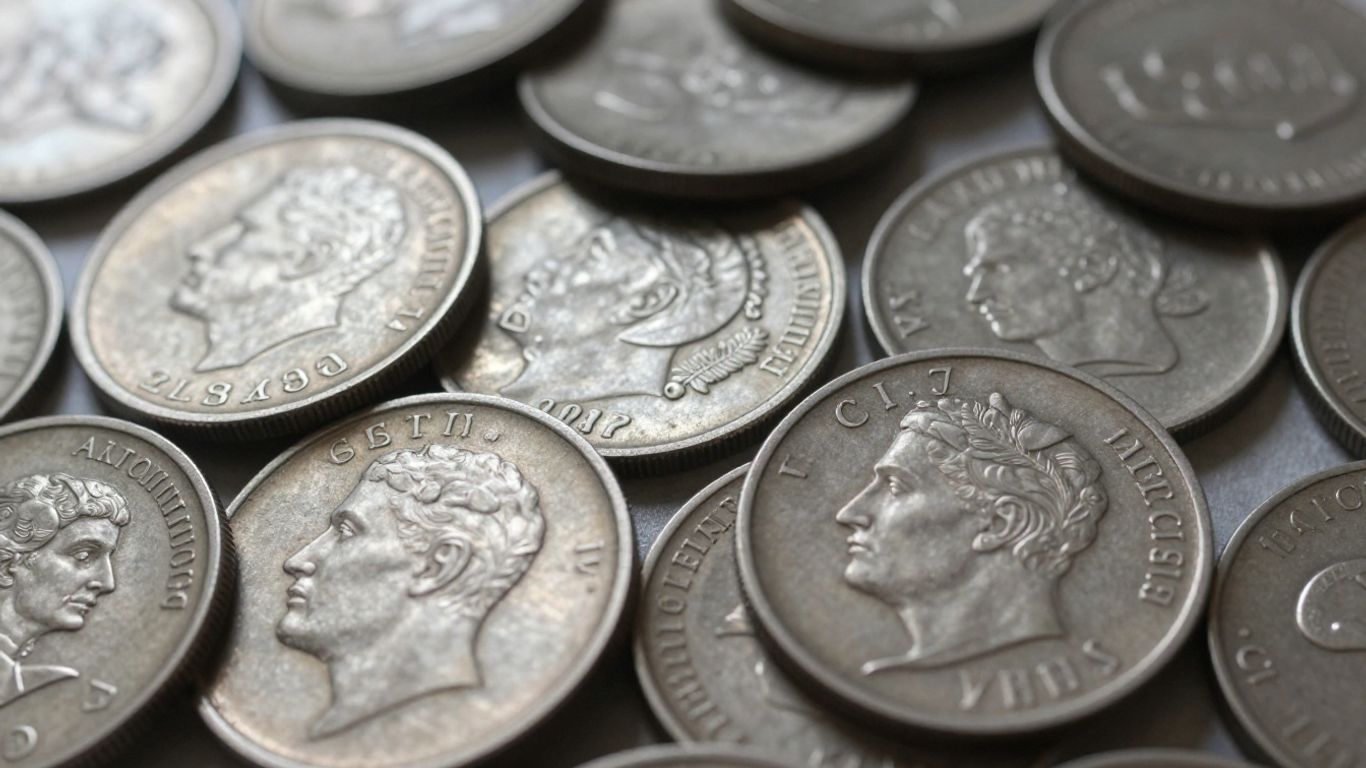
Before you can sell your old silver coins, you need to know what you’ve got. Most folks selling in Tampa are dealing with what the industry calls "junk silver" or "constitutional silver." This basically means U.S. coins made before 1965 that contain 90% silver. Think dimes, quarters, and half dollars from 1964 and earlier. Even if they look worn out, their silver content is what gives them their base value.
Factors Influencing Coin Value
The price you’ll get for your 90% silver coins isn’t just about the silver itself. Several things play a role:
- Silver Content: This is the biggest driver. The more silver, the more it’s worth, plain and simple. This is usually calculated by weight.
- Condition (Grade): Even if it’s junk silver, a coin in better shape will fetch more than one that’s heavily worn or damaged. Buyers look at things like how much detail is still visible and if there are any nicks or scratches.
- Rarity and Collectibility: While most 90% silver coins are valued for their melt value, some specific dates or mint marks might be rarer or more sought after by collectors. This can sometimes push the price above the pure silver value.
Identifying Common Coin Types
When you’re looking through your change or old coin jars, keep an eye out for these common 90% silver coins:
- Dimes: Mercury Dimes (1916-1945) and Roosevelt Dimes (1946-1964).
- Quarters: Standing Liberty Quarters (1916-1930) and Washington Quarters (1932-1964).
- Half Dollars: Walking Liberty Half Dollars (1916-1947), Franklin Half Dollars (1948-1963), and Kennedy Half Dollars (1964 only).
- Dollars: Morgan Dollars (1878-1921) and Peace Dollars (1921-1935). These are less common in everyday collections but are definitely 90% silver.
The key takeaway here is that while the silver content is the primary value driver for most of these coins, don’t completely discount the possibility of a coin having numismatic (collector) value. It’s always worth a quick check.
Assessing Coin Condition
Figuring out the condition of your coins helps you understand their potential value. You don’t need to be a professional grader, but knowing the basics helps.
- Circulated vs. Uncirculated: Circulated coins have been used in everyday transactions, so they show wear. Uncirculated coins have not been used and look much closer to how they did when they were minted. For 90% silver coins, most you’ll encounter will be circulated.
- Wear Patterns: Look for how much detail is worn away. On a dime, for instance, is Lincoln’s profile still clear, or is it smoothed over? On quarters, are the eagle’s feathers on the reverse still distinct?
- Damage: Check for obvious problems like deep scratches, bent edges, or corrosion. These can significantly lower a coin’s value, even if it’s made of silver.
Remember, for most 90% silver coins being sold for their silver content, a professional grade isn’t usually necessary. Buyers typically assess them based on their weight and general condition.
Preparing Your Silver Coins For Sale
Before you even think about listing your 90 percent silver coins or walking into a shop, taking a little time to get them ready can make a big difference. It’s not about making them look brand new – please don’t clean them! – but about presenting them in the best possible light. Think of it like getting ready for a job interview; you want to look sharp and organized.
Properly Storing Your Silver Coins
How you’ve kept your coins matters. Ideally, they’ve been stored in a way that protects them from environmental damage. This means using inert materials like Mylar flips or specialized coin albums. Avoid PVC (polyvinyl chloride) plastics, as they can break down and damage the coin’s surface over time, leaving a greenish residue. Also, keep them away from high humidity or extreme temperature changes. Proper storage shows a buyer you’ve cared for your collection.
The Importance of Not Cleaning Coins
This is a big one, folks. Resist the urge to polish or scrub your silver coins. Cleaning, even with the best intentions, can often do more harm than good. It can remove the coin’s natural patina, which collectors sometimes value, and can even create tiny scratches that are visible under magnification. Altering a coin’s surface can significantly decrease its value. It’s almost always better to leave the cleaning to the professionals, or in most cases, not to clean them at all.
When Professional Grading Is Advisable
For most common 90 percent silver coins, especially if they’re in circulated condition, professional grading might not be worth the cost. However, if you have a coin that you suspect is rare, in exceptionally high grade, or a key date, getting it graded by a reputable service like PCGS or NGC can significantly boost its perceived value and marketability. They provide a standardized grade and authenticate the coin, which can give buyers confidence. This is especially true for coins that might be worth hundreds or thousands of dollars.
Here’s a quick look at when grading might make sense:
- Suspected Rare Coins: If you believe you have a coin with low mintage or historical significance.
- High-Grade Coins: Coins that appear to be in near-perfect or uncirculated condition.
- Key Dates: Specific dates or mint marks within a series that are known to be scarce.
- Coins with Potential for High Value: If the coin’s potential resale value significantly exceeds the grading fee.
Having a good record of your coins is super helpful. This doesn’t need to be fancy. A simple spreadsheet or even a notebook can work. For each coin, jot down the date, denomination, any known varieties, your assessment of its condition, where and when you acquired it, and any photos you might have taken. This documentation helps you keep track of what you have and provides potential buyers with useful information.
Researching Buyers For Tampa Silver Coins
Before you even think about selling your 90 percent silver coins in Tampa, it’s a good idea to do a little homework on who might be interested and what they’re paying. This isn’t just about finding the first person with cash; it’s about making sure you get a fair shake for your coins. Think of it like shopping around for a car – you wouldn’t buy the first one you see, right? You want to know what it’s worth and who’s offering the best deal.
Understanding Market Value
Knowing what your coins are generally worth is step one. This means looking at recent sales of similar 90 percent silver coins. You can check online auction sites, coin price guides, and even the websites of coin dealers. This gives you a baseline so you don’t get a lowball offer. For example, a common silver quarter from the 1950s will be worth much less than a rarer silver dollar from the early 1900s, even if both are 90 percent silver.
Here’s a quick look at how different factors can affect value:
| Factor | Impact on Value |
|---|---|
| Silver Content | Base value, especially for common dates/conditions. |
| Date & Mint Mark | Rarer dates or mint marks can significantly increase value. |
| Condition (Grade) | Higher grades (less wear) command higher prices. |
| Rarity | Fewer surviving examples mean higher demand and price. |
| Demand | What collectors are actively looking for right now. |
Leveraging Dealer Expertise
Local coin dealers in Tampa are a great resource. They see coins come through their shops every day and have a pretty good sense of what’s in demand and what prices are realistic. Don’t be afraid to talk to them. If you show them you’ve done a bit of research, they’re often willing to share their knowledge. They might point out specific varieties you missed or give you a clearer picture of your coin’s market value. Building a relationship with a few honest dealers can be really helpful down the road.
It’s always a good idea to get a few opinions. Don’t just take the first offer you get. Visit a couple of different shops or dealers to compare what they say and what they offer. This helps you feel more confident about the price you eventually accept.
Researching Recent Sales
Looking at what similar coins have actually sold for recently is probably the most direct way to understand market value. This means checking:
- Online Auction Results: Sites like eBay (look for ‘sold’ listings) can show you what people are actually paying.
- Coin Dealer Websites: Many dealers list their inventory and prices, giving you an idea of retail.
- Numismatic Publications: Coin magazines and price guides offer general trends, though actual sales data is often more telling.
By doing this research, you’ll be much better prepared to talk to buyers and know if you’re being offered a fair price for your 90 percent silver coins.
Finding Reputable 90 Percent Silver Coin Buyers In Tampa
So, you’ve got some old silver coins, maybe dimes, quarters, or half dollars, and you’re looking to sell them right here in Tampa. It can feel a bit overwhelming trying to figure out where to start, right? It’s not just about finding someone who buys silver; it’s about finding someone honest and fair. Building connections in the local coin scene is a smart move. Think of it like getting to know the regulars at your favorite coffee shop – you start to learn who knows their stuff and who’s just passing through.
Local Coin Shops In Tampa
Your first stop might be one of the local coin shops scattered around the Tampa Bay area. These places are often run by people who really know their stuff when it comes to coins, including those older 90 percent silver ones. They’re usually happy to take a look at what you have, give you an appraisal, and make an offer. It’s a good way to get a quick idea of what your coins might be worth from someone who sees these kinds of coins regularly. Just remember, they’re in business to make a profit, so their offer will likely be lower than what you might get selling directly to a collector. It’s always a good idea to visit a couple of different shops to compare offers.
Reputable Dealers For Silver Coins
When you’re dealing with potentially valuable coins like these, sticking with dealers known for being honest and fair is a smart move. You want someone who won’t try to take advantage of you. Look for dealers who are members of professional organizations like the American Numismatic Association (ANA) or the Professional Numismatists Guild (PNG). These affiliations often mean they adhere to a code of ethics. A good dealer will be transparent about how they arrive at their offer and might even explain why certain coins are more desirable than others. They’ll also be knowledgeable about the specific silver coins you might have. For instance, if you have rolls of 90% silver dimes, a good dealer will know their value beyond just the silver content.
Assessing Buyer Reputation
No matter who you’re considering selling to, reputation is everything. You want to deal with someone honest and fair. How do you figure that out? Well, word of mouth is a big one. Ask around at coin shows or in local collector groups. Online reviews can also be helpful, but take them with a grain of salt. Look for dealers who have been around for a while and have a solid presence in the numismatic community. For instance, places like Imperial Coin Exchange have been serving the Tampa area for some time. It’s always a good idea to do a little homework before you commit to selling. A little research upfront can save you a lot of headaches and potentially more money down the road. You want to feel comfortable with the person you’re doing business with.
It’s always a good idea to do a little homework before you commit to selling. A little research upfront can save you a lot of headaches and potentially more money down the road. You want to feel comfortable with the person you’re doing business with.
Exploring Tampa Coin Shows And Events
Sometimes, the best way to get a feel for the market and find potential buyers for your 90 percent silver coins is to head out to a local coin show. These events are like a concentrated burst of numismatic activity, bringing together collectors and dealers from all over. It’s a chance to see a lot of different coins, talk to people who are passionate about them, and get a sense of what’s currently in demand.
Benefits of Attending Coin Shows
Coin shows offer a unique environment that you just don’t get browsing online or visiting a single shop. You can see coins up close, talk directly with sellers, and often find items you wouldn’t encounter otherwise. For sellers, it’s a prime opportunity to get your coins in front of many eyes at once.
- Exposure to a Wide Audience: You’ll meet collectors and dealers who might not frequent local shops.
- Market Gauging: See what types of coins are popular and what prices people are asking.
- Networking: Connect with dealers and collectors, which can be helpful for future sales.
Meeting Multiple Buyers In One Place
Instead of making appointments with individual dealers, a coin show lets you shop your coins around to numerous potential buyers all in a single day. This is incredibly efficient. You can get a range of opinions and offers without a lot of legwork. It’s a good idea to have a general idea of your coins’ value beforehand, but be prepared for offers to vary. You might even discover a dealer who specializes in the exact type of silver coins you have. Check out events like Coinacopia, a local Tampa show, to get started.
Gauging Market Interest
Beyond just getting offers, coin shows are excellent for understanding the current pulse of the market. You can observe what coins are selling quickly, what prices seem to be firm, and what collectors are actively seeking. This information is gold for anyone looking to sell. It helps you understand if your coins are in high demand or if you might need to be a bit more patient to get the price you’re looking for.
Selling coins can feel a bit overwhelming, especially if you’re new to it. The key is to do a little homework beforehand. Knowing the general condition and any unique features of your coins will put you in a much better position when you talk to potential buyers. Don’t be afraid to ask questions; a good dealer will be happy to share their knowledge.
Connecting With Local Tampa Coin Collector Networks
So, you’ve got some old silver coins and you’re looking to sell them right here in Tampa. It can feel a bit overwhelming trying to figure out where to start, right? It’s not just about finding a buyer; it’s about finding the right buyer who appreciates what you have. Building connections in the local coin scene is a smart move. Think of it like getting to know the regulars at your favorite coffee shop – you start to learn who knows their stuff and who’s just passing through.
Engaging With Enthusiast Groups
Tampa has a pretty active group of coin enthusiasts. These aren’t necessarily dealers, but people who genuinely love collecting. They often meet up, sometimes informally, sometimes at organized events. Being part of these groups means you can get a feel for what coins are in demand and who might be looking to add to their own collection. It’s a good way to get a sense of the market without the pressure of a formal sale. You can usually find out about these groups by:
- Checking online forums or local social media groups dedicated to coin collecting.
- Asking around at local coin shops; they often know about upcoming club meetings.
- Attending local coin shows and striking up conversations with other attendees.
Understanding Local Demand
These collector networks can give you a real-time pulse on what’s popular locally. Maybe there’s a surge of interest in a particular series of coins, or perhaps a specific type of silver dollar is suddenly hard to find. By listening to conversations and observing what collectors are actively seeking, you can get a better idea of which of your coins might be most desirable to a local buyer. This kind of insight is hard to get from just looking at price guides online.
The coin market isn’t static. What’s sought after today might be less so tomorrow. Staying connected with local collectors helps you understand these shifts firsthand, allowing you to time your sale more effectively.
Building Community Connections
Don’t just think of these networks as a place to get a quick sale. Building relationships with fellow collectors and enthusiasts can be rewarding in itself. You might learn more about your own coins, discover interesting historical facts, or even find a fellow collector who would be the perfect person to pass your coins on to. It’s about becoming part of a community that shares your interest, even if your primary goal is to sell.
Choosing The Right Buyer For Your Silver
So, you’ve got these 90 percent silver coins and you’re ready to sell. That’s great! But who do you sell them to? It’s not always as simple as just walking into the first shop you see. You’ve got a few different paths you can take, and each has its own pros and cons. The goal is to find a buyer who offers a fair price and makes the process smooth.
Private Collectors Versus Dealers
When it’s time to part with your silver coins, you’ll likely run into two main types of buyers: private collectors and dealers. Collectors are often looking for specific coins to complete their own sets. They might be willing to pay a bit more because they really want that particular piece for their collection. Dealers, on the other hand, are in the business of buying and selling. They need to make a profit, so they’ll typically offer you a price that allows them to resell the coin later.
Here’s a quick look at the differences:
- Private Collectors:
- May pay closer to retail prices.
- Often focused on specific series or dates.
- Can be harder to find and connect with.
- Dealers:
- Offer convenience and quick sales.
- Provide a consistent market, but at a lower price point.
- Can help you sell multiple coins at once.
Pros and Cons of Each Buyer Type
Choosing between a private collector and a dealer depends on what you prioritize. If you have a rare or particularly desirable coin, a collector might offer more. However, finding that collector can take time and effort. Dealers offer a more straightforward transaction. They’re usually equipped to handle larger quantities and can give you an offer on the spot. For instance, if you’re looking to sell a variety of 90% silver coins, a dealer might be more efficient. You can find places that buy and sell various numismatic items, like Private Coin Buyers™.
It’s always a good idea to do a little homework before you commit to selling. A little research upfront can save you a lot of headaches and potentially more money down the road. You want to feel comfortable with the person you’re doing business with.
Finding The Best Fit For Your Coins
To find the best fit, start by understanding your coins’ general market value. Research recent sales of similar coins online or check with local coin shops. Don’t be afraid to talk to the coin dealers in Tampa. They see coins all day, every day, and they have a good sense of what’s in demand and what commands a good price. If you show them you’ve done a bit of homework, they’re more likely to share their insights. They can point out varieties you might have missed or give you a realistic idea of your coin’s market value. Building a good relationship with a few trusted dealers can be a real asset when it comes time to sell.
Negotiating Fair Prices For Your Silver
Preparing For Negotiation
Before you even talk to a potential buyer, do your homework. You need to have a solid idea of what your 90 percent silver coins are actually worth. This means looking up current silver prices and checking recent sales of similar coins. Don’t just rely on one source; compare prices from a few different places. Knowing your coins’ approximate market value is your strongest negotiating tool. Think about the condition of your coins, too. Are they common dates in average shape, or something a bit more special? This all plays a part in what a fair price looks like.
Key Negotiation Strategies
When you’re talking with a buyer, remember they are in business to make money. They’ll likely offer you a price based on what they can sell the coins for, minus their profit margin. This is often called the
Considering Consignment For Higher Returns
So, you’ve got some 90 percent silver coins and you’re thinking about selling them. You’ve probably looked at selling them directly to a dealer, and that’s fine, but sometimes you can get a bit more money by going the consignment route. It’s not always the fastest way to sell, but if you’re not in a huge rush, it can be worth it.
How Consignment Works
Basically, with consignment, you hand your coins over to a dealer or an auction house, and they sell them for you. They’ll find the buyers, handle the transactions, and then give you the money, minus their fee. You agree on a price, or at least a minimum price, before they start selling. It’s like hiring someone to do the selling work for you.
When Consignment Is Ideal
Consignment really shines when you have coins that are a bit more special or have a higher value. If you have a coin that a lot of collectors are looking for, or something that’s just plain rare, consignment can help you reach those collectors who are willing to pay closer to what the coin is actually worth on the open market. It takes longer than selling to a dealer directly, but the potential for a bigger payout is definitely there.
Here’s a quick look at the pros and cons:
- Pros:
- Potentially get more money for your coins.
- Access to a wider range of buyers.
- Less work for you once the agreement is made.
- Cons:
- Takes more time to sell.
- There’s a commission fee involved.
- You need to trust the person selling your coins.
Understanding Commission Fees
Those commission fees are how the consignment agent makes their money. They can vary, but you’ll want to get a clear understanding of what percentage they’re taking before you agree to anything. It’s usually a percentage of the final sale price. Make sure you know what that percentage is, and if there are any other hidden costs. It’s always a good idea to shop around and compare the fees from different consignment services. You might find that some places in Tampa are more competitive than others. For example, if you’re also looking at selling silver in Lakeland, you might find different fee structures in that area.
Selling coins is a bit like selling a house. You wouldn’t accept the first lowball offer that comes in, right? You want to find the buyer who appreciates its value and is willing to pay for it. Patience is key to getting the best outcome.
Selling Your Silver Coins Online
Selling your 90 percent silver coins online can open up your options way beyond just local Tampa buyers. You can reach a much wider audience, potentially finding someone who really wants your specific coins and is willing to pay a bit more for them. It’s a different ballgame than selling in person, though, and you’ve got to be smart about it.
Providing Clear Descriptions and Photos
This is where you make or break your online sale. People can’t hold your coins, so they’re relying entirely on what you show and tell them. Good photos and honest descriptions are your best tools.
- Photos: Take clear, well-lit pictures. Get shots of both sides of the coin, and if there are any interesting details or even minor imperfections, try to capture those too. A coin’s condition is a big deal, and showing it honestly builds trust.
- Descriptions: Don’t just say "old silver coin." Include all the important stuff: the year, the mint mark (if you can find it), and what kind of coin it is (like a Mercury dime or a Washington quarter). Mention any wear you see or any damage, like scratches or bends. Being upfront saves you headaches later.
Ensuring Secure Transactions
When you’re dealing with money online, especially with valuable items like silver coins, security is key. You want to make sure you get paid and that the buyer gets what they paid for.
- Payment Methods: Stick to well-known payment platforms that offer some buyer and seller protection. Avoid unusual payment requests.
- Shipping: Package your coins carefully. Use sturdy mailers and consider tracking your shipment. Insurance is a good idea, especially for higher-value lots.
- Communication: Keep a record of your conversations with the buyer. This can be helpful if any disputes come up.
Factoring In Shipping and Insurance
Don’t forget that shipping costs can add up, and you need to figure out who’s paying for what. Plus, protecting your shipment is important.
- Shipping Costs: Decide if you’re going to include shipping in your price or charge it separately. Be clear about this in your listing.
- Insurance: For valuable shipments, getting insurance is a smart move. It protects you if the package gets lost or damaged in transit. Check the shipping provider’s policies on insuring coins.
- Packaging Materials: You’ll need bubble wrap, a sturdy box or padded envelope, and maybe some tape to make sure everything stays put during its journey.
Selling online means you’re responsible for getting the coin safely from your hands to the buyer’s. This involves careful packaging, choosing a reliable shipping method, and understanding the risks involved. It’s a trade-off for potentially reaching a wider market and getting a better price than you might locally.
Wrapping Things Up in Tampa
So, you’ve got some old silver coins and you’re looking to sell them right here in Tampa. It can seem like a lot to figure out, but hopefully, this guide has made it a bit clearer. We’ve talked about checking out local coin shops, finding reputable dealers, and even keeping an eye out for coin shows. Remember, doing a little homework on what your coins are worth and who you’re dealing with goes a long way. It’s not always about getting the absolute highest price on the spot, but finding a fair deal with someone you trust. Good luck out there!
Frequently Asked Questions
What makes my 90 percent silver coins valuable?
The value of your 90 percent silver coins depends on a few things. First, the silver content itself has a market price. Second, how rare the coin is plays a big role. Some dates or mint marks are much harder to find than others. Lastly, the coin’s condition is super important. A coin that looks almost new will be worth a lot more than one that’s worn out.
Where in Tampa can I sell my 90 percent silver coins?
You have a few options in Tampa. Local coin shops are a good starting point. You can also look for coin shows or special collector events happening in the area. Sometimes, dealers who specialize in silver coins might be found online or through collector networks.
Should I clean my silver coins before selling them?
Definitely not! Cleaning your silver coins can actually hurt their value. Even if you think you’re making them look better, you could be removing tiny details or creating scratches that collectors notice. It’s best to leave them just as they are.
How do I know if my coin is worth getting professionally graded?
Professional grading is usually worth it for coins that might be very rare or in exceptionally good condition. If you have a common coin or one that’s heavily worn, the cost of grading might be more than the increase in value. If you suspect you have something truly special, it’s worth asking a dealer or doing some research.
What's the difference between selling to a collector and selling to a dealer?
Collectors often pay more because they want the coin for their personal collection and might be willing to pay closer to its full value. Dealers buy coins to resell, so they need to make a profit. This means they’ll usually offer you a lower price, but they often provide a quicker and more convenient sale, especially if you have many coins.
How can I make sure I get a fair price for my silver coins?
Do your homework! Research the current market value of your coins based on their silver content and rarity. Look up recent sales of similar coins. Knowing this information will help you when you talk to buyers and negotiate. Don’t be afraid to get offers from a few different places before deciding.
Is it a good idea to go to coin shows in Tampa?
Yes, coin shows are a great idea! You can meet many different buyers all in one place, which makes it easy to compare offers. You can also learn a lot about the market and see what other coins are selling for. It’s a good way to get a feel for demand and find potential buyers.
What should I do if a buyer's offer seems too low?
If an offer doesn’t feel right, it’s perfectly okay to walk away. You’re not obligated to sell. Use the offer as a starting point for negotiation, or thank them for their time and go see what other buyers might offer. Sometimes, patience and looking around can lead to a much better deal.